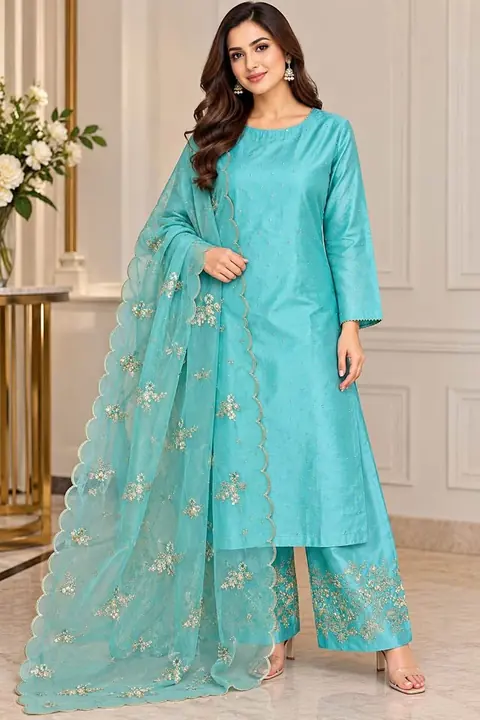
What is lawn?
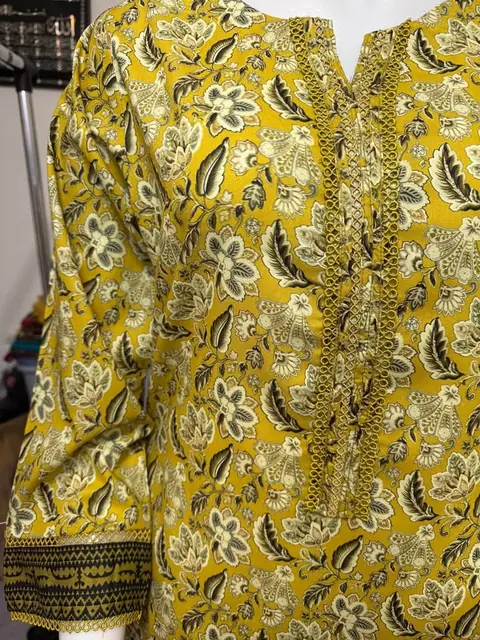
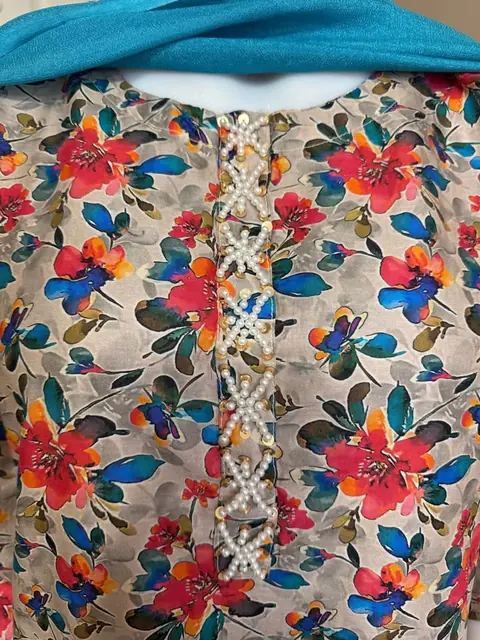
Lawn is a lightweight, plain-weave fabric with a smooth, slightly crisp finish. It was first woven from linen, and the name is usually traced to the French town of Laon, but today lawn is almost always cotton. The threads are fine and tightly woven, so the cloth is thin and airy but still holds a bright print well. Very pale lawn can be a little see-through in strong light, so a light inner layer helps with white and pastel pieces.
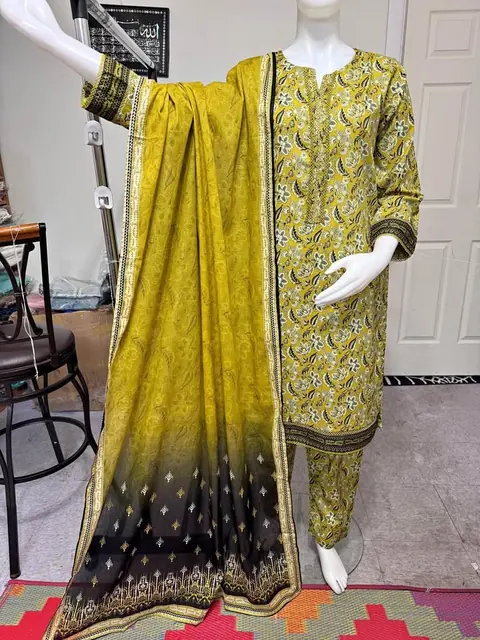
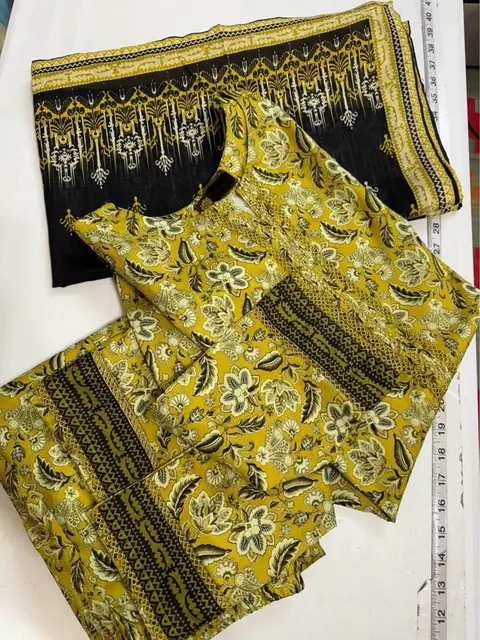
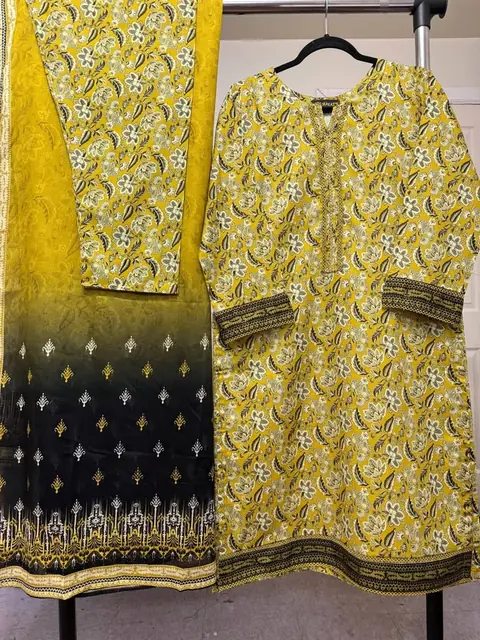
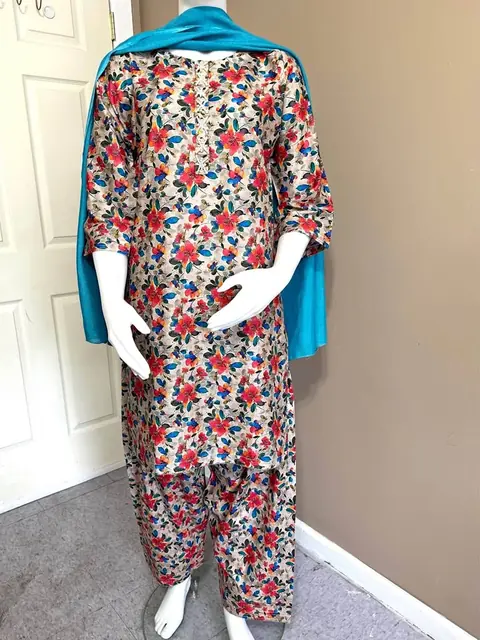
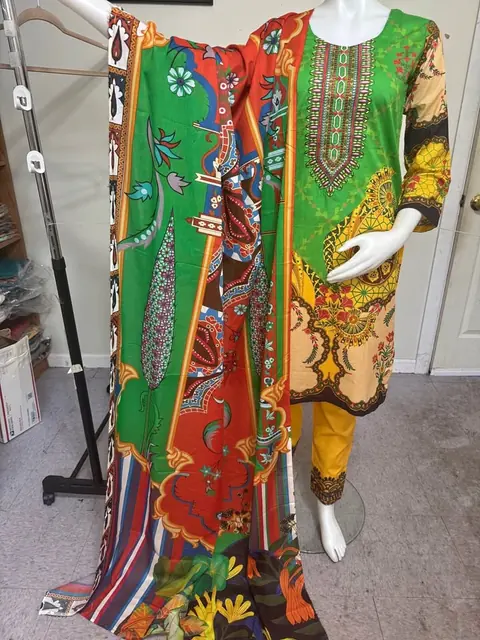
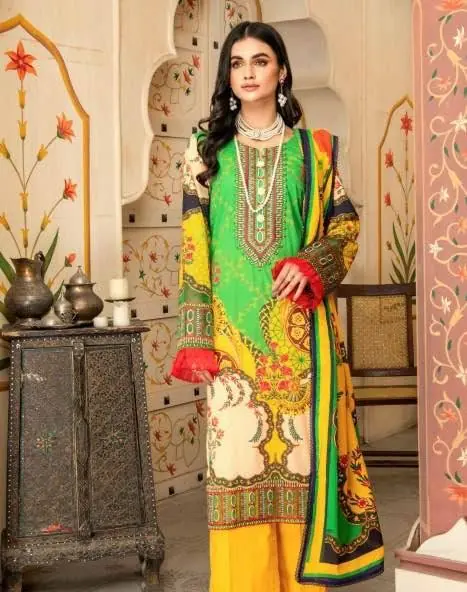
In Pakistan, lawn is the summer fabric. The big labels launch their lawn collections every spring, and a printed or embroidered lawn suit (shirt, trousers and dupatta) is what many women wear from March to September. Indian shoppers can think of it as close to a fine cotton like mulmul, but usually smoother and a little crisper.
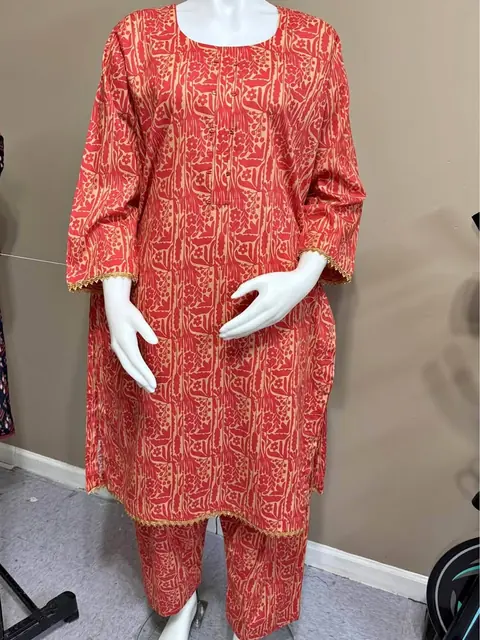
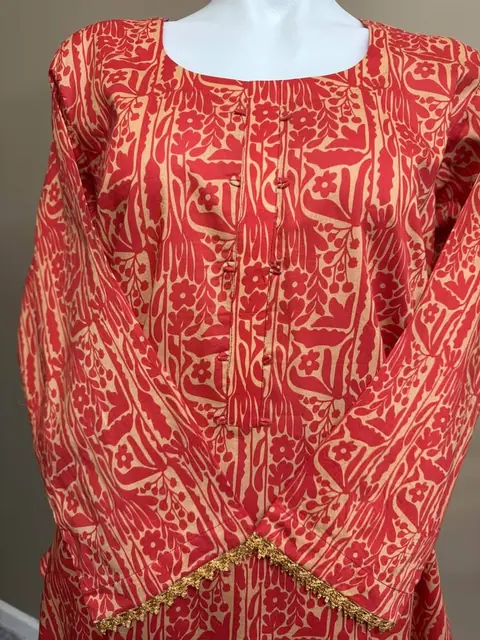
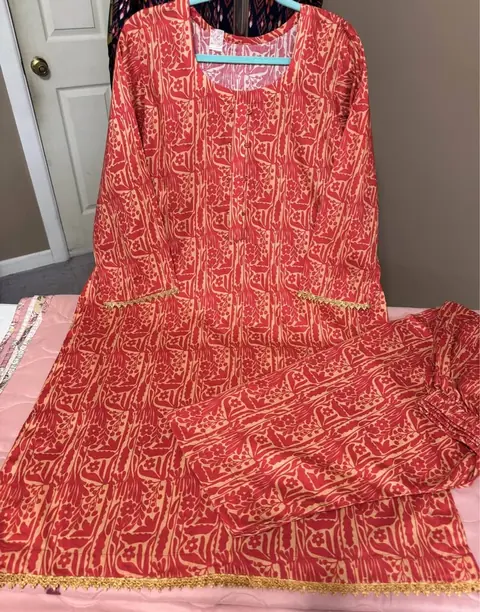
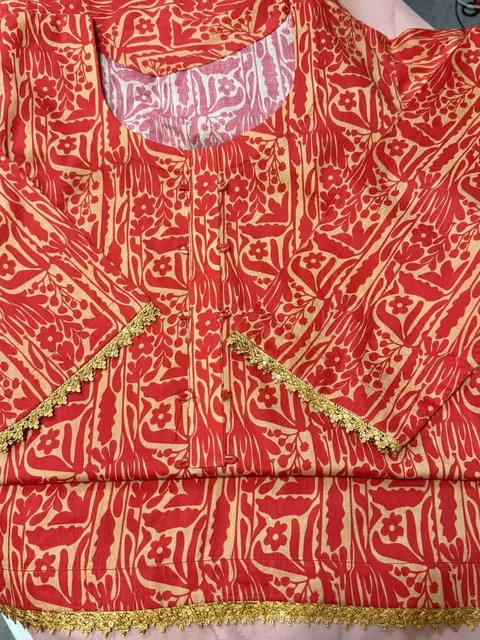
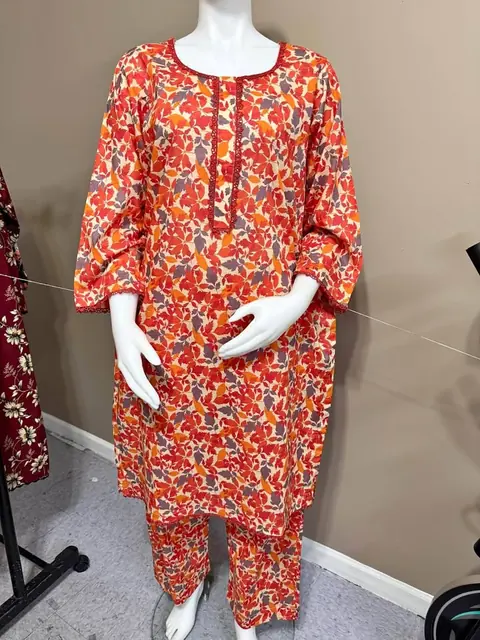
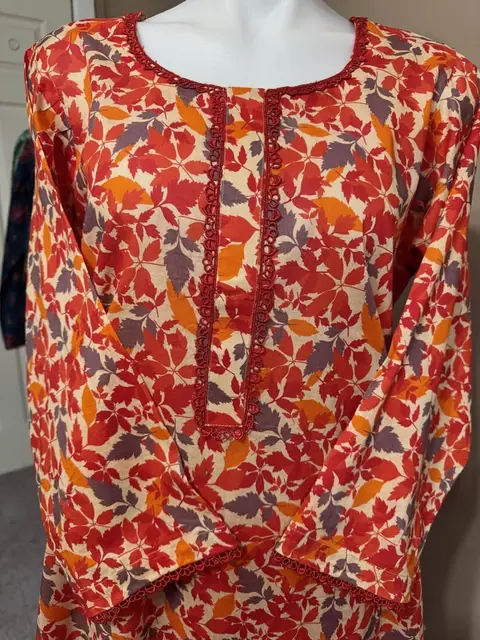
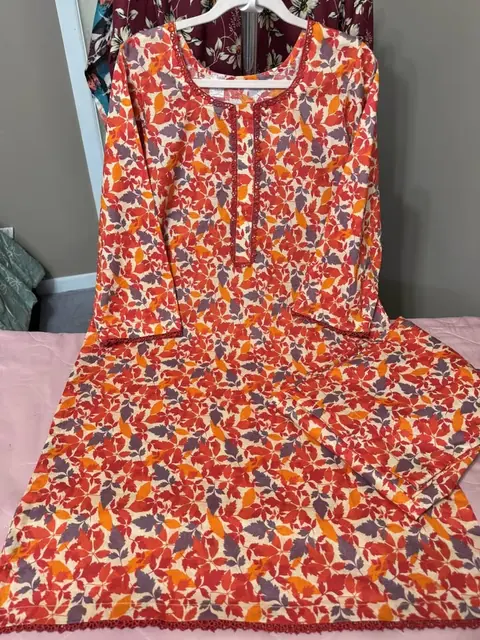
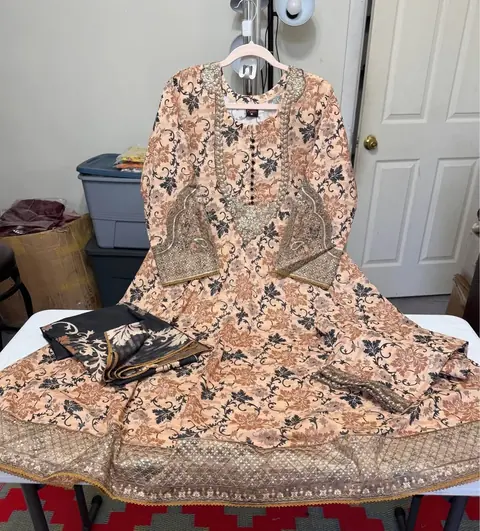
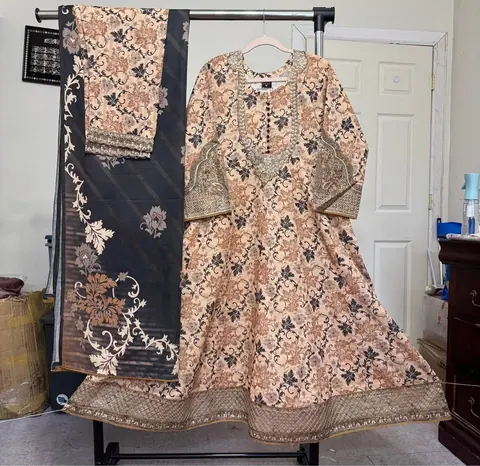
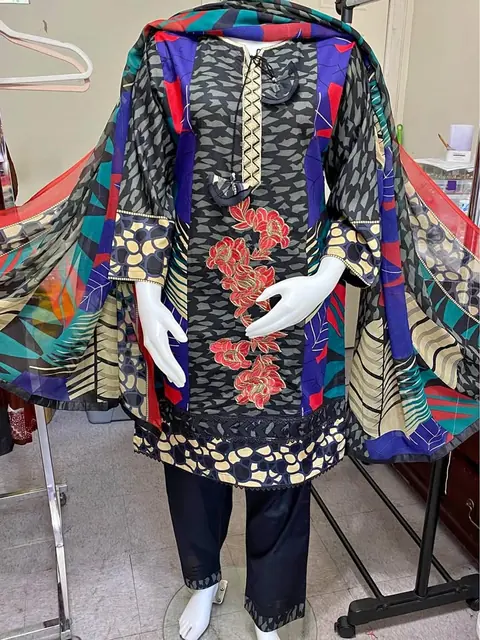
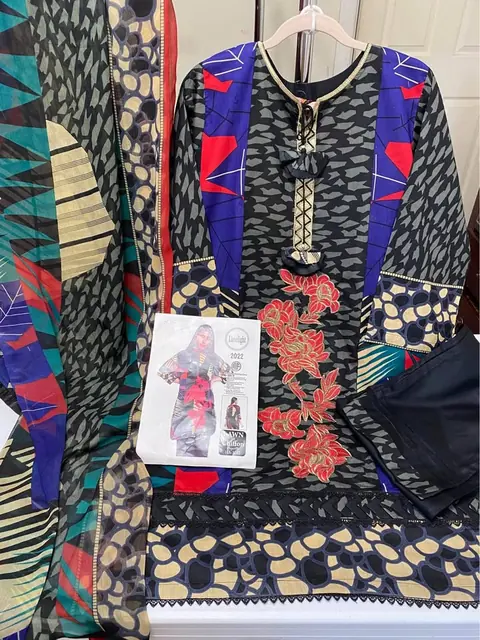
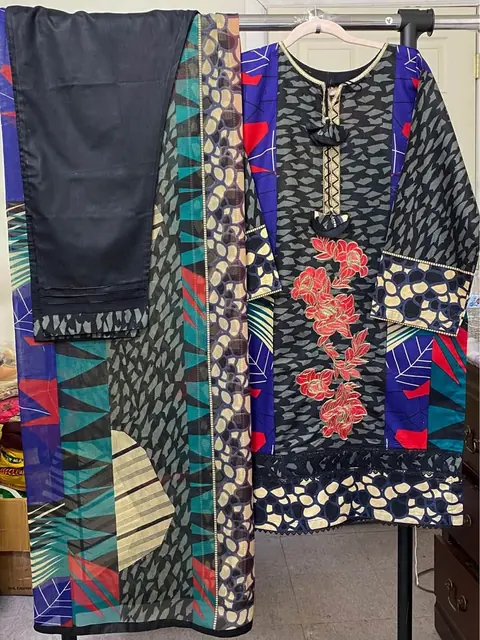
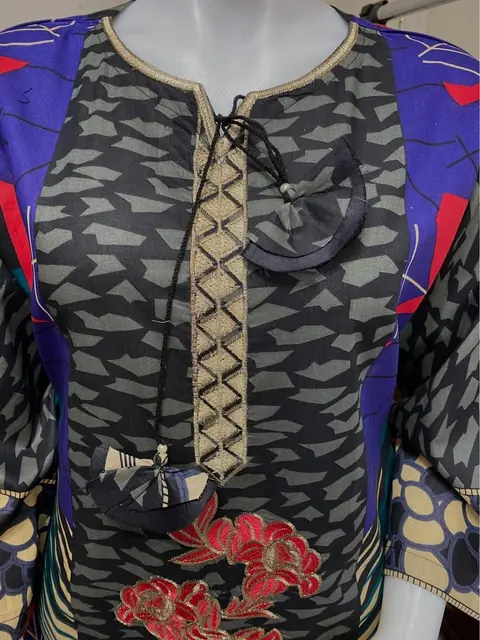
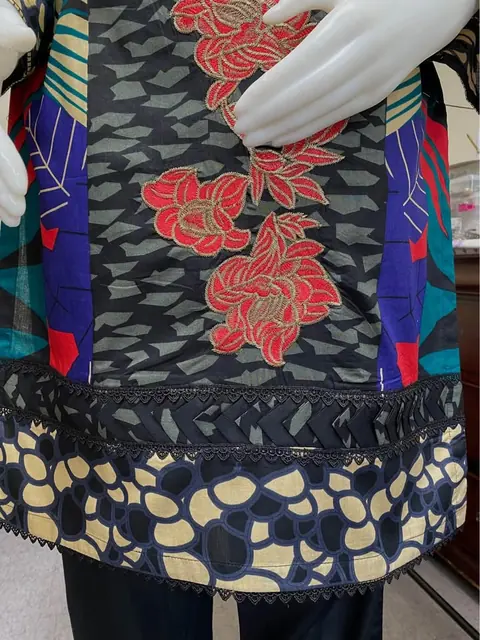
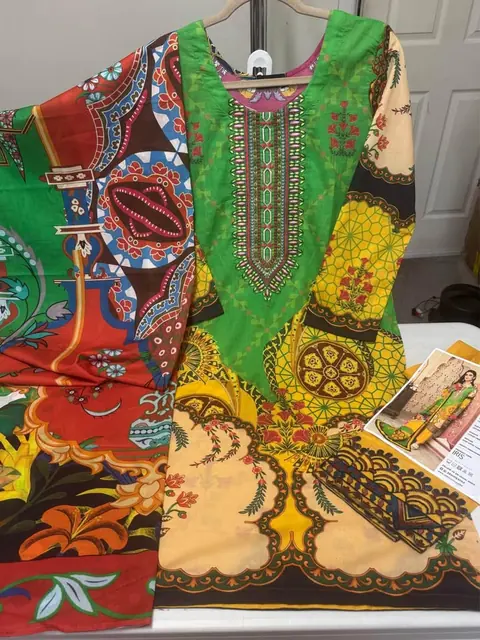
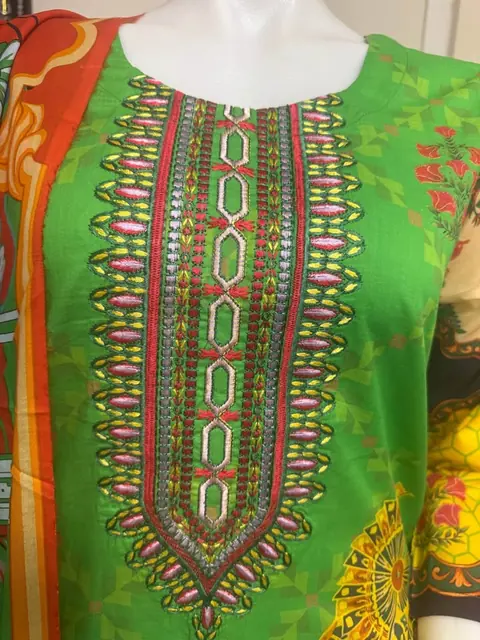
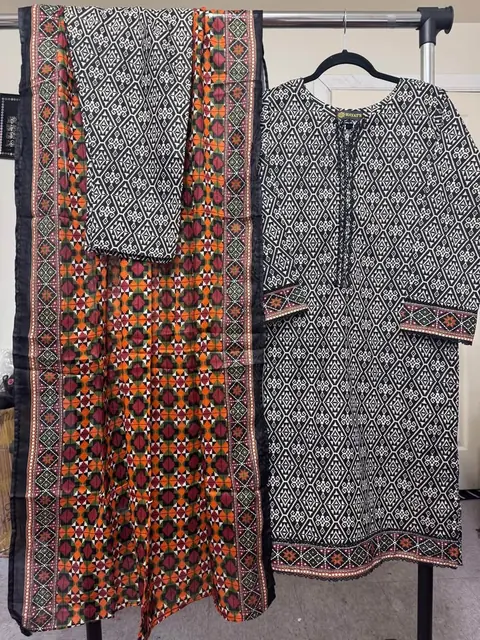
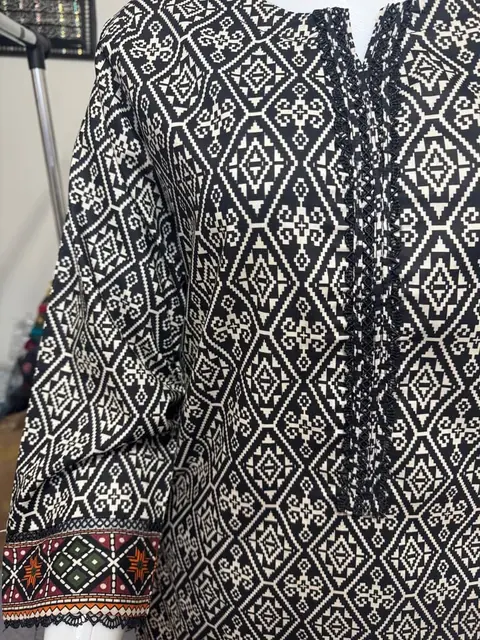
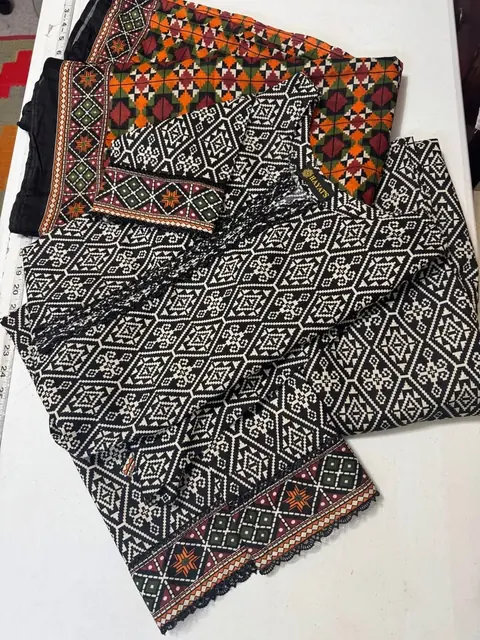
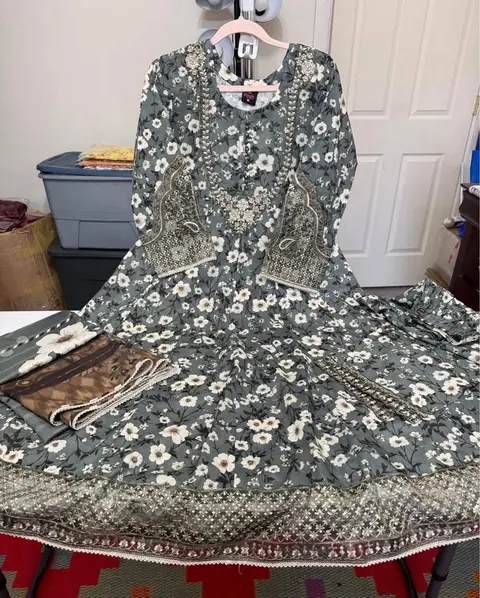
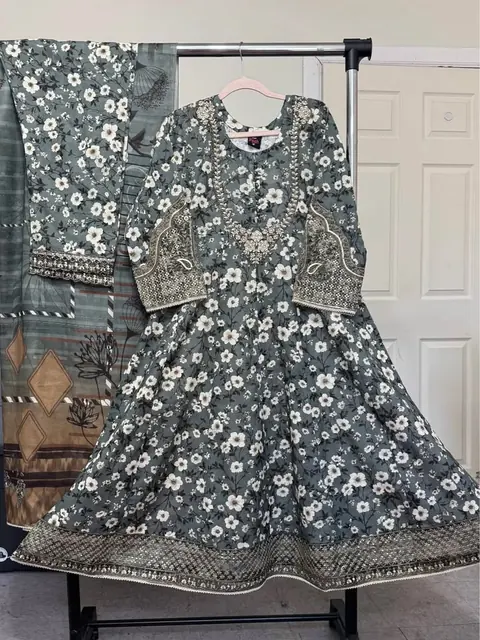
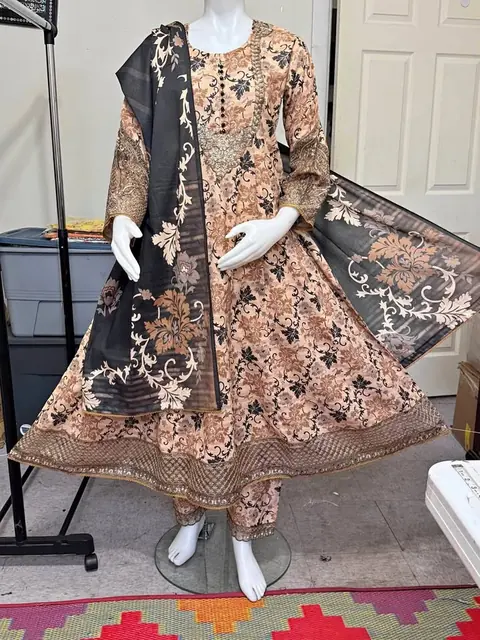
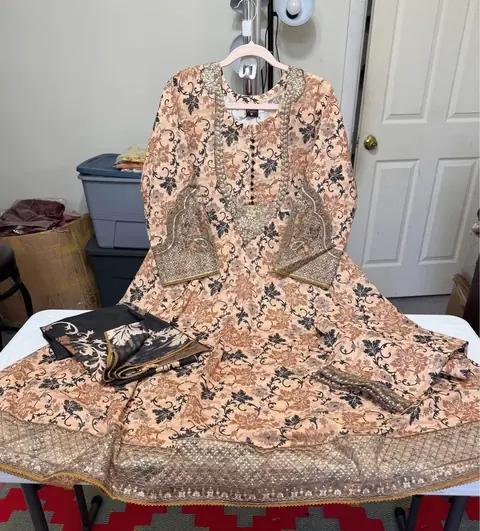
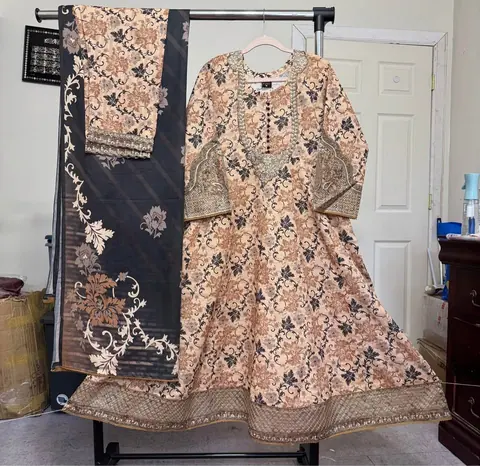
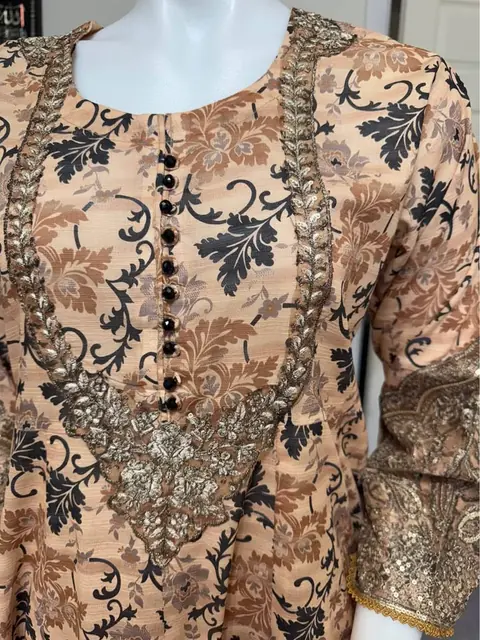
You will also see names like cotton lawn, airjet lawn and doria lawn. Airjet lawn is woven on air-jet looms and tends to be very smooth and even. Doria (or doriya) lawn has fine raised stripes woven into the cloth, which give it a light, corded texture. Shagufta's lawn pieces include an airjet lawn suit and doria lawn maxi dresses as well as plain printed lawn.
Lawn vs cotton: is lawn the same as cotton?
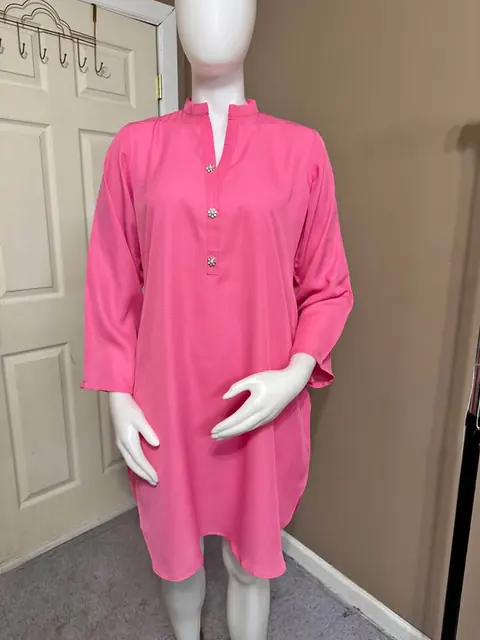
Most lawn is cotton, but not all cotton is lawn. Cotton on a Pakistani or Indian label covers many weaves: cambric, poplin, slub, self-print and thicker cottons. Lawn is the finest and lightest of them. A cotton kurti or cotton salwar suit is usually a little heavier and softer than lawn, holds its shape better and is less likely to show through, which makes it easy to wear for most of the year.
So if you want the coolest thing for a humid July afternoon, choose lawn. If you want one kurti or suit that works in spring, fall and an air-conditioned office, plain cotton is the safer all-rounder. In Shagufta's shop the cotton pieces run from embroidered cotton kurtis to 3-piece cotton suits with a dupatta and a thick cotton dress for cooler days.
What is khaddar, and is it for summer or winter?
Khaddar is a thick, slightly coarse cotton with a texture you can see and feel. It is the same word as the Indian khadi, which first meant hand-spun, hand-woven cloth; in Pakistani suits today, khaddar usually means a heavy cotton weave made for the cold months. It is warmer than lawn or ordinary cotton, has more body when it drapes, and takes deep, rich colors well.
Khaddar is a winter fabric. It would feel heavy on a hot summer day, but in a New Jersey winter it is comfortable indoors and sits well under a coat or with a shawl. Shagufta's khaddar pieces are branded Pakistani suits and 2-piece maxi dresses, including a soft Bin Saeed khaddar maxi.
Khaddar softens with each wash, and a good one should feel thick but not scratchy. On very cold days, wear warm leggings or tights under the trousers and a cardigan or long coat over the shirt; the fabric is sturdy enough to layer without looking crushed.
2-piece, 3-piece and maxi: how lawn and khaddar suits come
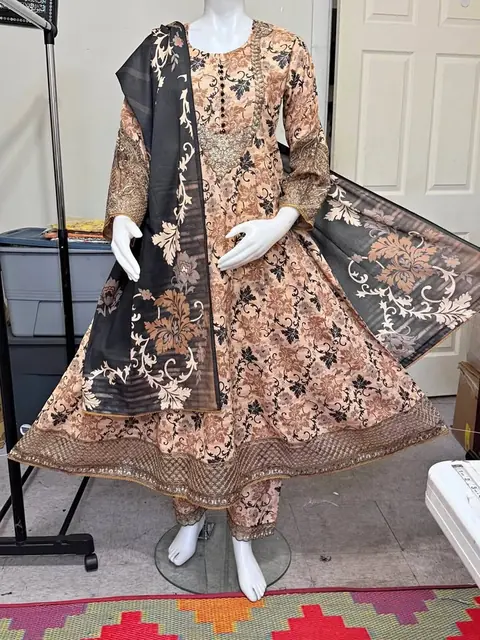
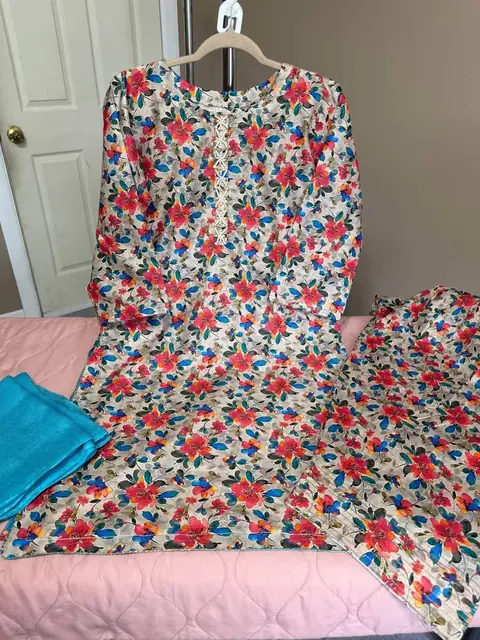
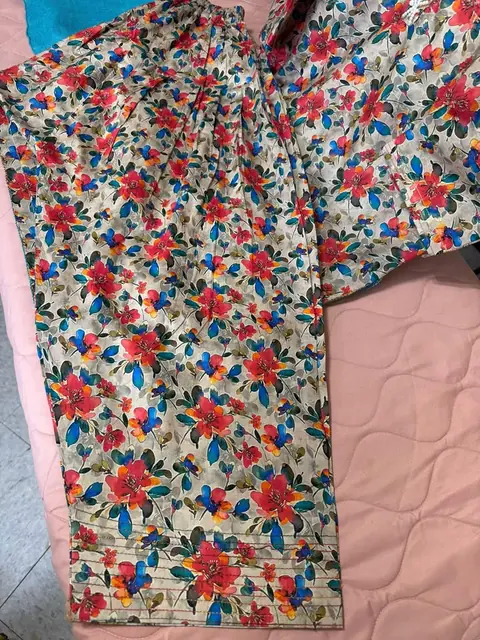
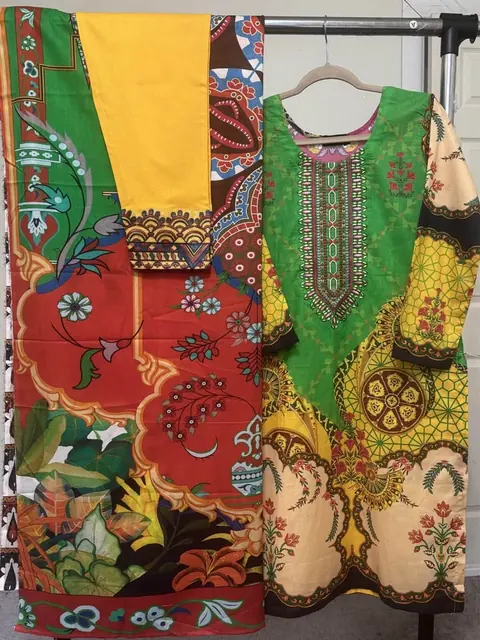
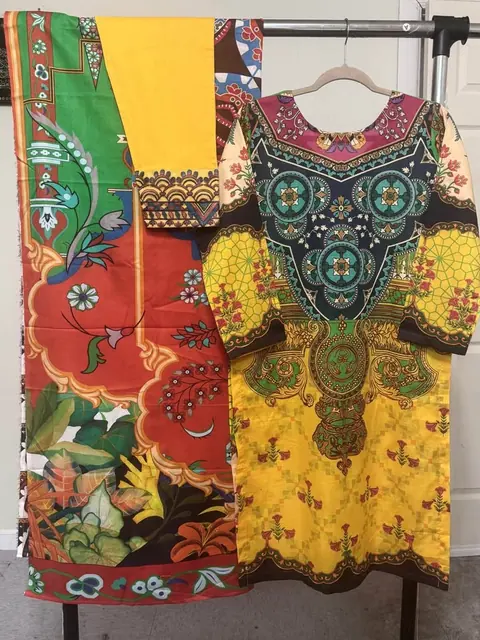
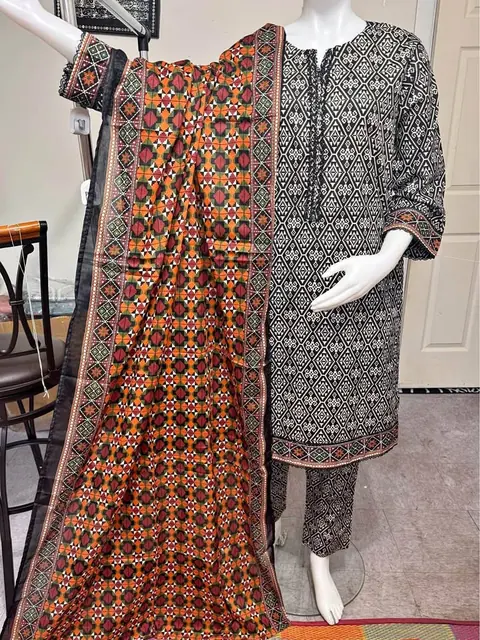
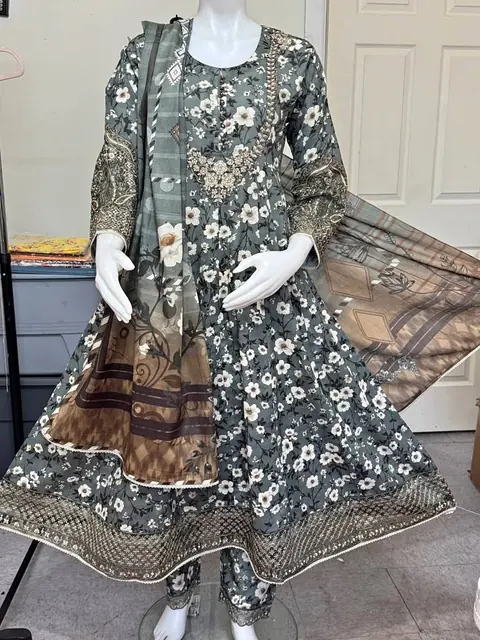
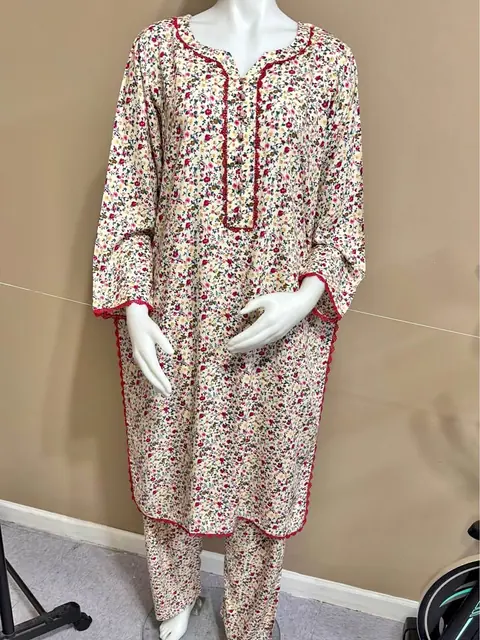
Pakistani suits in lawn and khaddar usually come in one of three forms. A 2-piece is a shirt (kameez) with matching trousers, which Indian shoppers may know as a kurta set or co-ord set. A 3-piece adds a dupatta, often in a lighter fabric such as chiffon on a lawn suit, or a printed shawl on a khaddar one. A maxi dress is a long, flowing shirt that reaches the ankle or close to it, worn on its own or over slim trousers.
In Pakistan, lawn is often sold unstitched, as lengths of fabric to be sewn later. Ready-to-wear pieces skip that step: you choose a size like any other clothes and wear it the day it arrives. When you compare listings, look at the chest and hips in inches rather than the letter size alone, because Pakistani sizes can run a little smaller or larger than US ones.
How linen and viscose compare
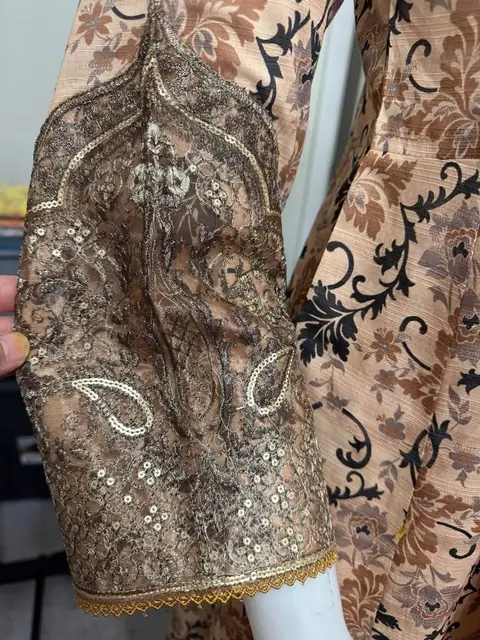
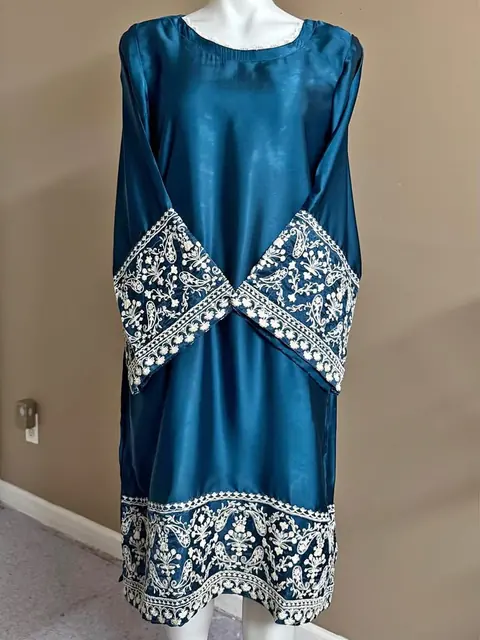
Linen comes from the flax plant. Pure linen is cool and breathable and creases easily. In Pakistani suits, linen often means a linen-look weave or blend that is heavier than lawn, so linen suits are worn in fall and spring and on milder winter days. Linen holds embroidery well and looks smart with very little effort, which is why it is popular for 2-piece suits and co-ord sets.
Viscose, also sold as rayon, is made from wood pulp, so it feels soft and cool and falls in fluid folds. Many Indian-style kurtis, including chikankari and sequin pieces, are viscose. It is lovely in warm weather, but it is weaker when wet and can shrink in hot water, so wash it cold and handle it gently.
When to wear each fabric
A simple rule: the hotter the day, the thinner the weave. Lawn for June to August heat and outdoor summer parties; cotton and viscose for spring, daily wear and the office; linen as the weather cools; khaddar from about November to February. For a dressier event, most people move to chiffon, organza, georgette or silk, which look special but are less practical for every day.
Every piece in the shop is new and lists its size and its own chest, hips and length in inches, so you can compare a lawn suit with a cotton one before you order. If you can't tell how thick something is from the photos, ask Shagufta on WhatsApp for a video or extra photos in daylight.
| Fabric | How it feels | Best season | Good for |
|---|---|---|---|
| Lawn | Fine, light, smooth, a little crisp | Late spring and summer | Everyday Pakistani suits, a warm-weather Eid |
| Cotton | Soft, medium weight | Most of the year | Kurtis for work, daily wear salwar suits |
| Khaddar | Thick, textured, warm | Late fall and winter | Winter suits and maxi dresses |
| Linen | Medium to heavy, creases | Fall, spring, mild winter days | Embroidered suits and co-ord sets |
| Viscose | Soft, cool, fluid drape | Spring and summer | Kurtis, chikankari and dressier tops |
Shop the pieces
Updated October 2026