The basic rules
Most fading and shrinking comes from heat, so the two habits that matter most are cold water and drying in the shade. The rest is just as simple:
- Check the fabric on the label or the listing before you start.
- Use cold or barely lukewarm water, never hot.
- Use a mild liquid detergent, and skip bleach and harsh stain removers on prints and embroidery.
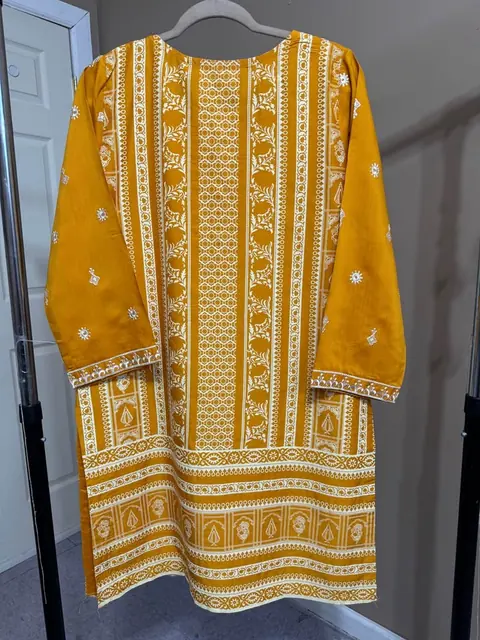
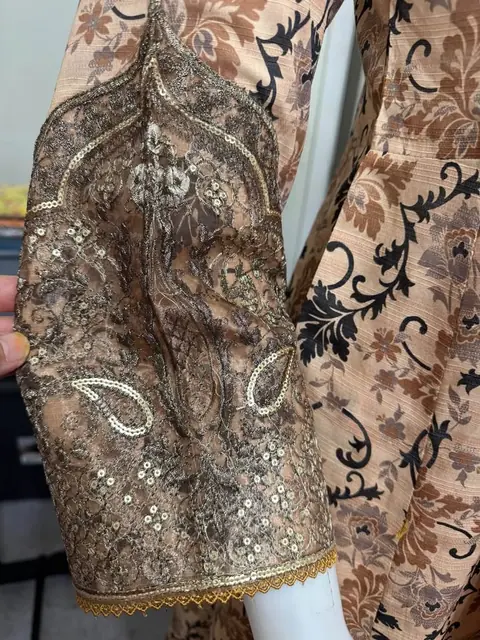
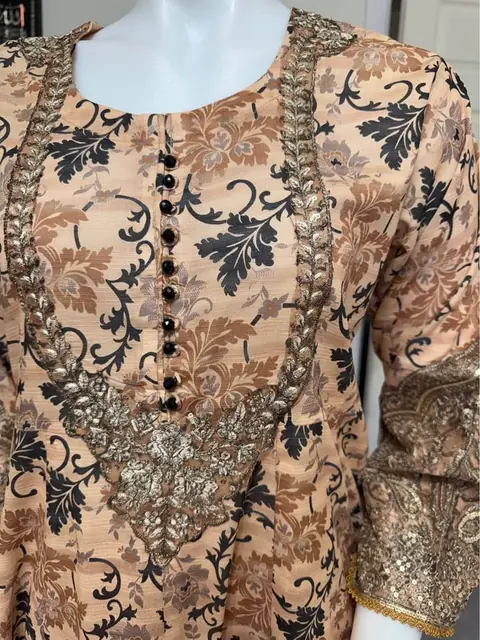
- Turn every piece inside out to protect prints, embroidery and sequins.
- Wash dark and bright colors separately, at least for the first few washes.
- Don't wring or twist; press the water out with a towel.
- Dry in the shade, not in direct sun, and skip the tumble dryer.
How to wash lawn and cotton suits
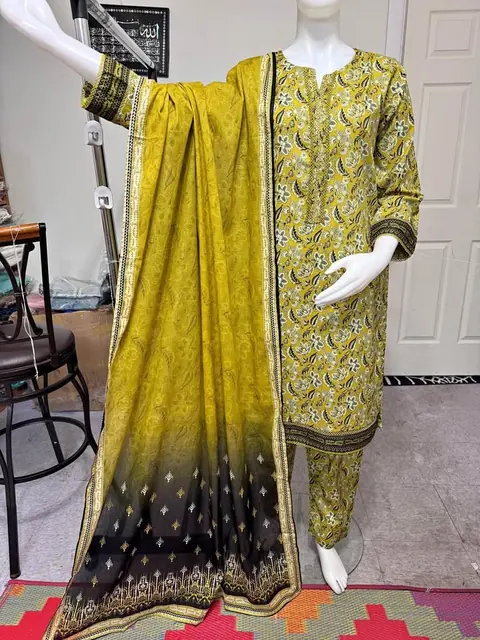
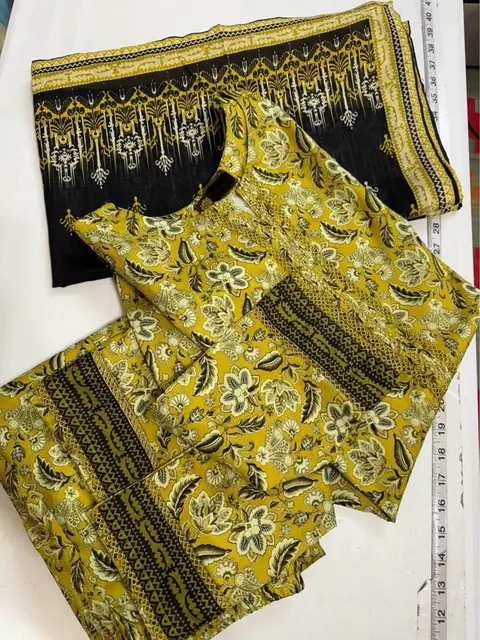
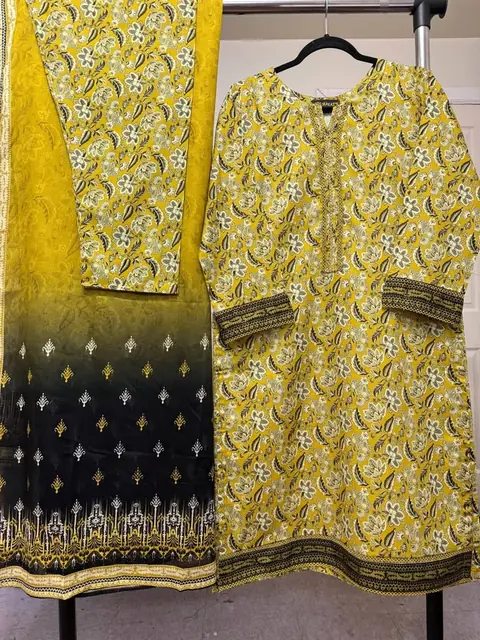
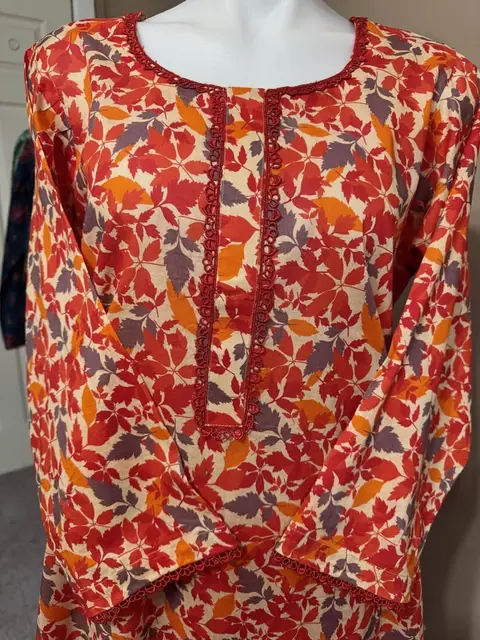
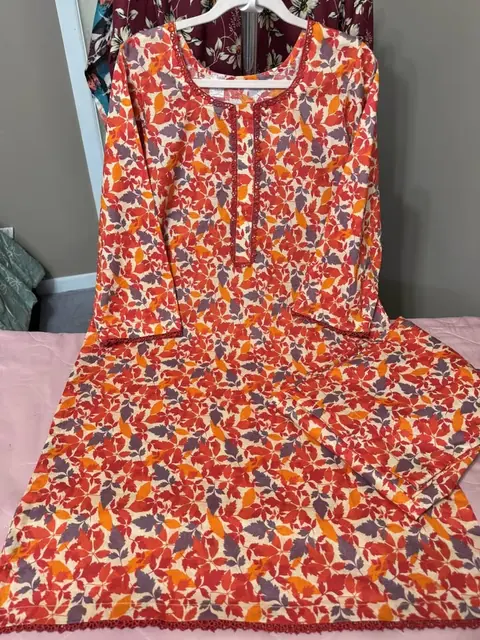
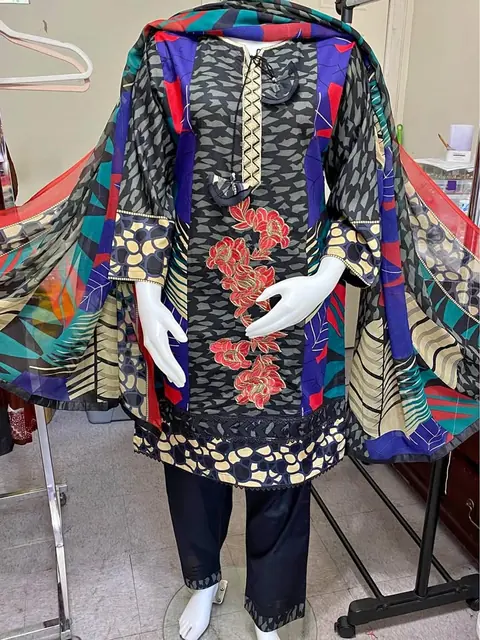
Lawn and cotton are the easiest to care for. Hand wash them in cold water, or use the cold delicate cycle of your machine with the suit turned inside out in a mesh laundry bag. Wash the shirt, trousers and dupatta together only if they are similar colors.
Dark and bright lawn often releases some dye in the first few washes. Wash it on its own and watch the rinse water; once it runs clear, the piece can go in with similar colors. Never leave a wet dark suit folded or lying on top of light clothes, because the color can transfer.
Dry lawn inside out in the shade, on a hanger or over a line, since strong sun fades prints quickly. Lawn and cotton can shrink a little in hot water or a hot dryer, and cold washing keeps that to a minimum. Some of Shagufta's stitched lawn and linen 2-piece suits note that the fabric was shrunk before stitching, which helps, but cold water is still best.
Khaddar and linen follow the same routine. Khaddar is thick and holds water, so let it dry completely before you fold it away, and wash it inside out to cut down on pilling.
How to wash a chikankari kurti
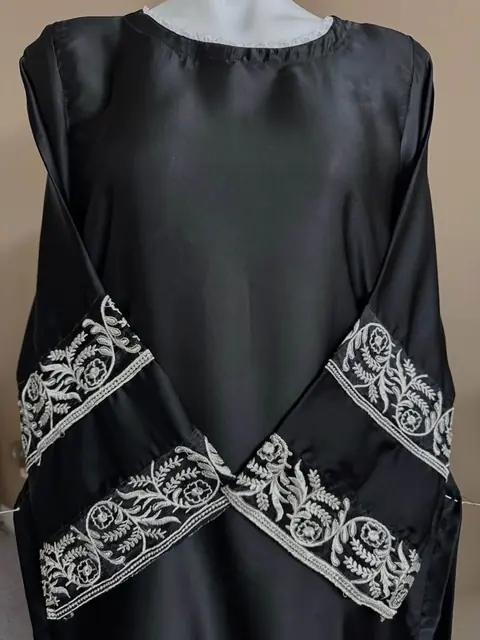
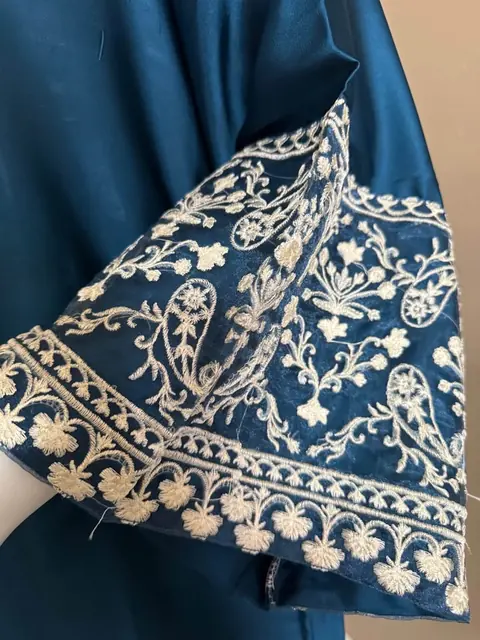
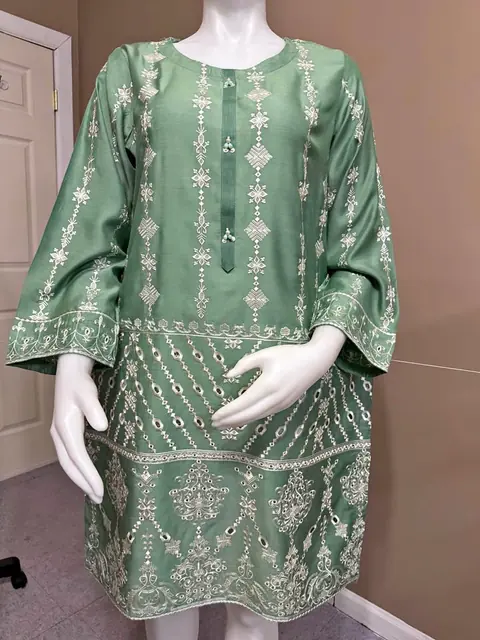
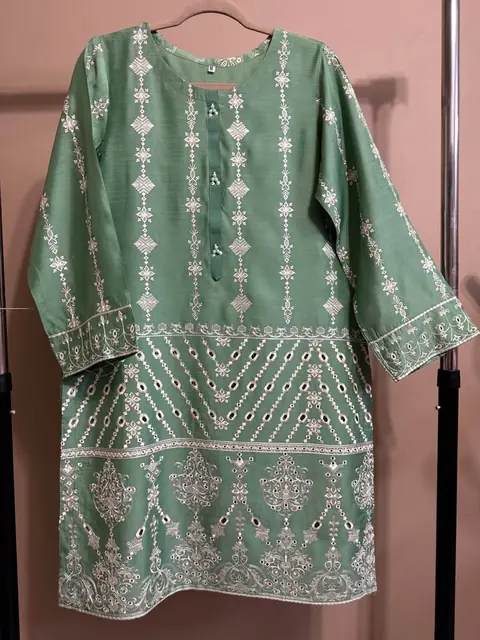
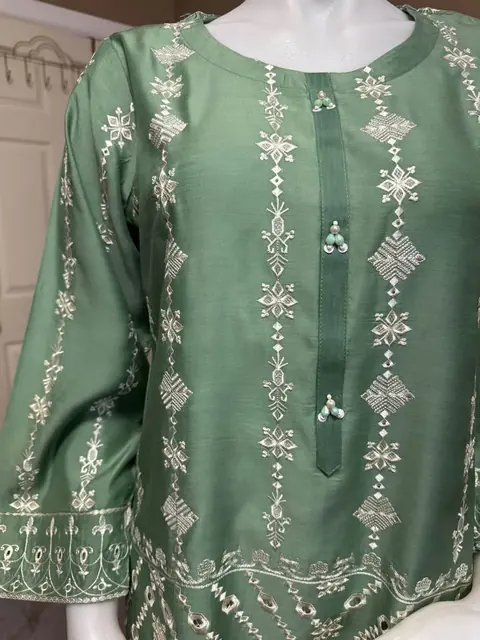
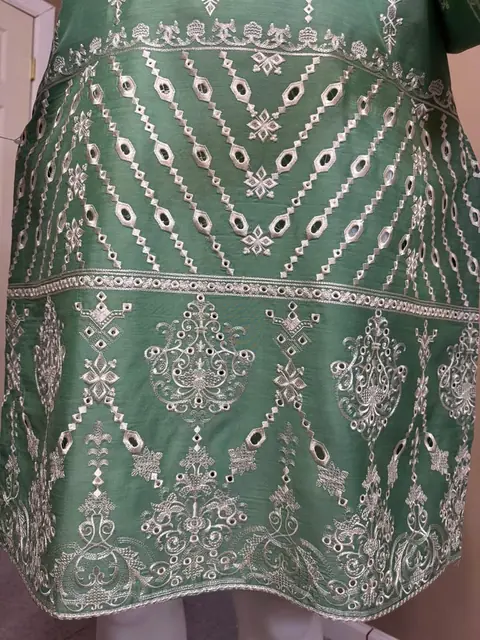
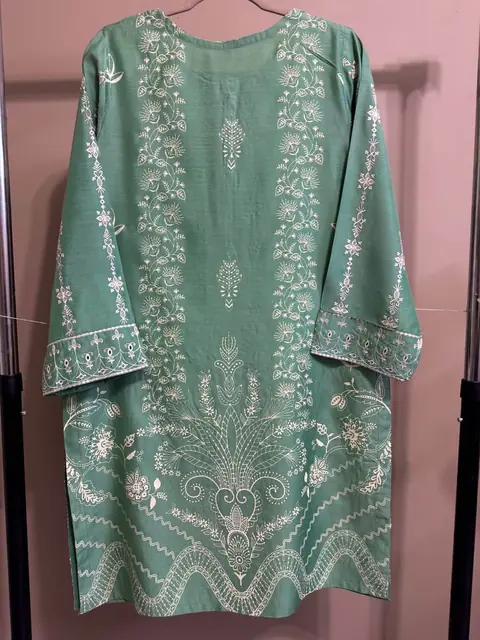
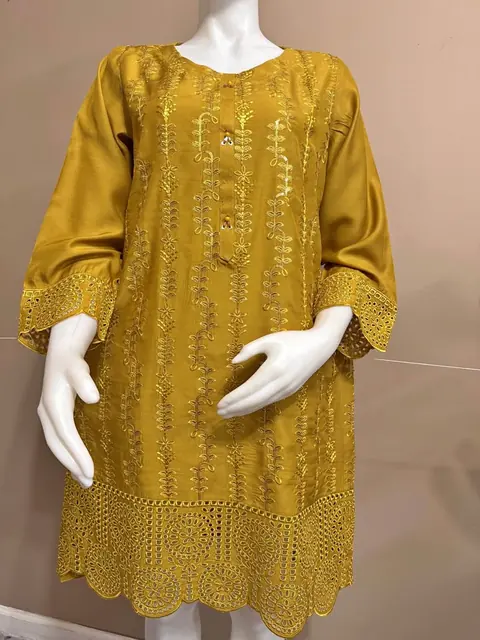
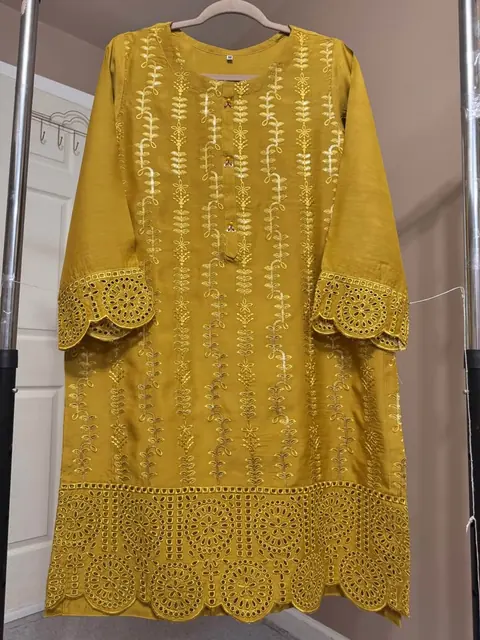
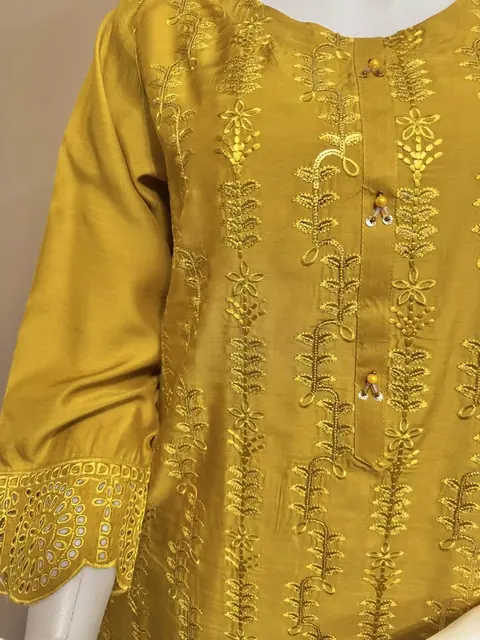
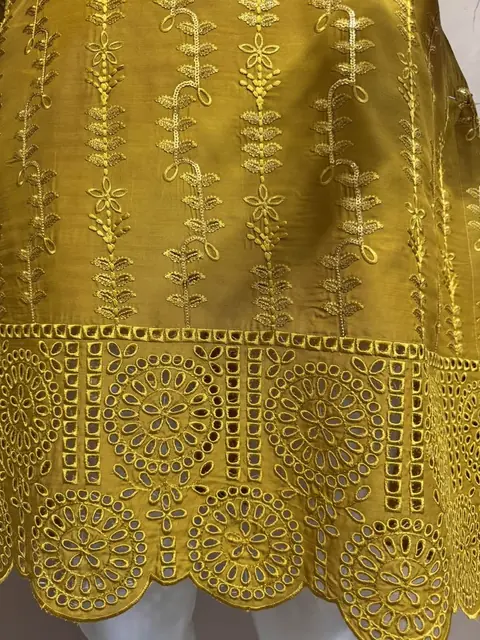
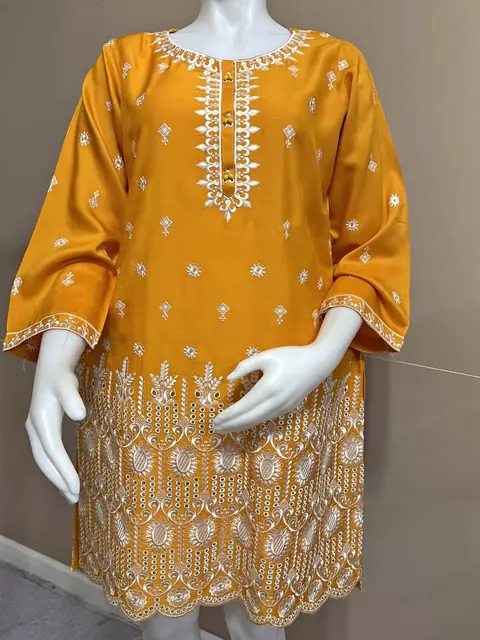
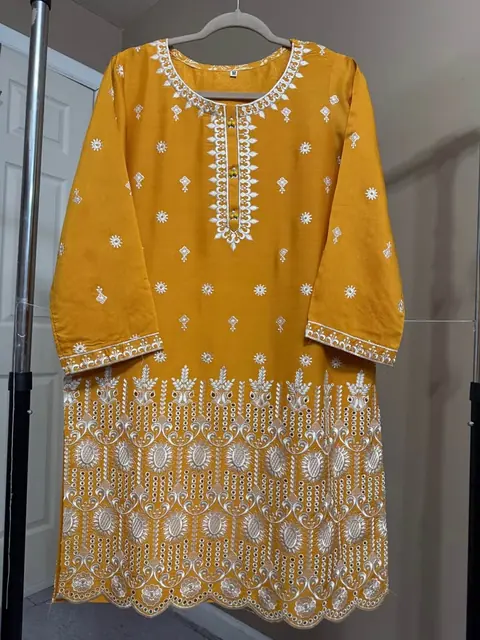
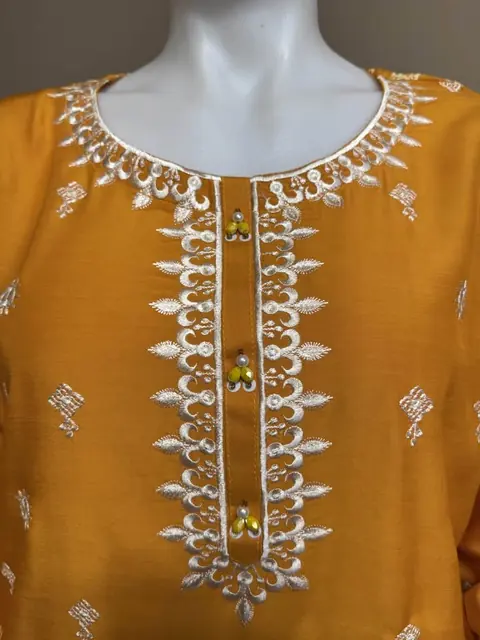
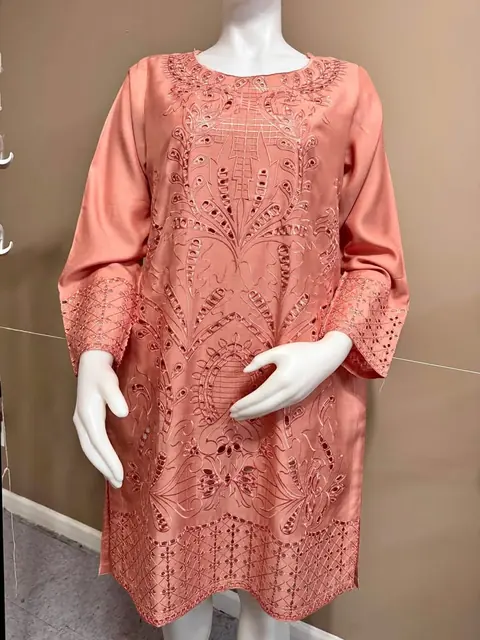
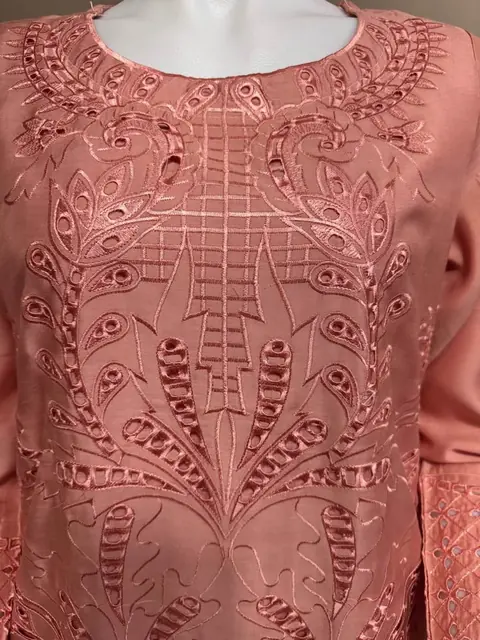
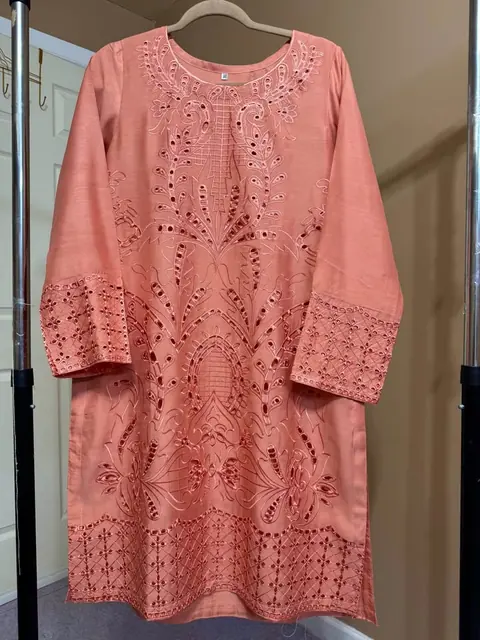
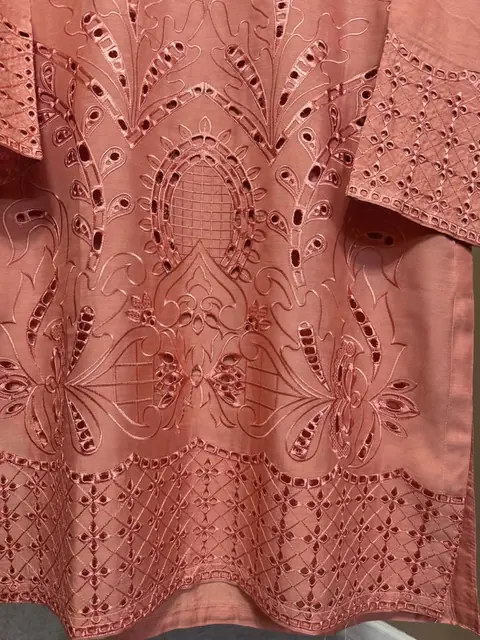
Chikankari is fine embroidery, often on thin fabric, so hand washing is best. Fill a basin with cold water and a little mild detergent, put the kurti in inside out and swish it gently for a few minutes. Don't scrub the embroidery or leave it soaking for hours.
Rinse in clean cold water until the soap is gone, then lay the kurti on a towel, roll it up and press to remove the water. Dry it flat or on a padded hanger in the shade.
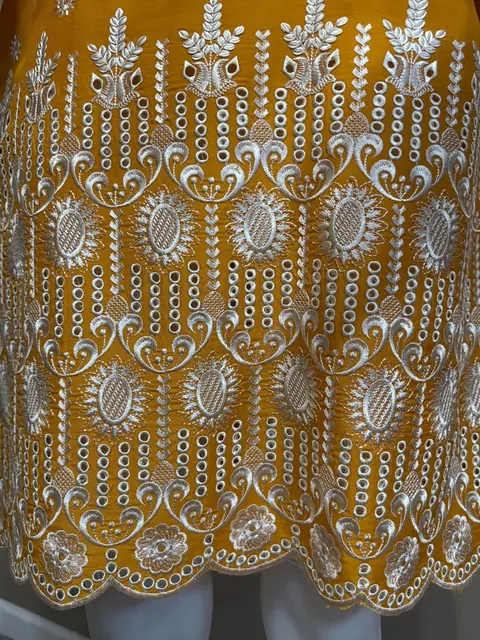
Iron on the reverse, over a thick towel, so the knots and raised stitches stay full instead of being pressed flat. If your kurti has sequins, mirrors or pearls, as some viscose chikankari kurtis do, keep the iron away from them and consider dry cleaning.
How to wash a silk kurti at home
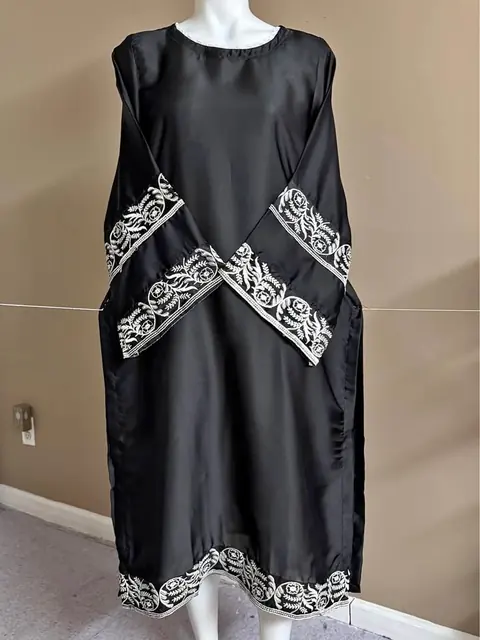
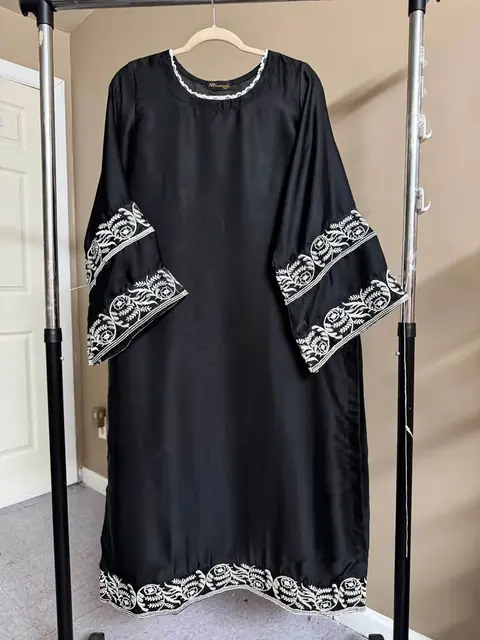
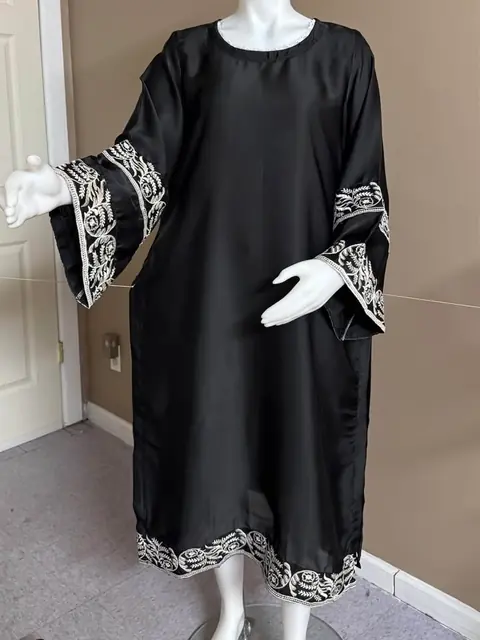
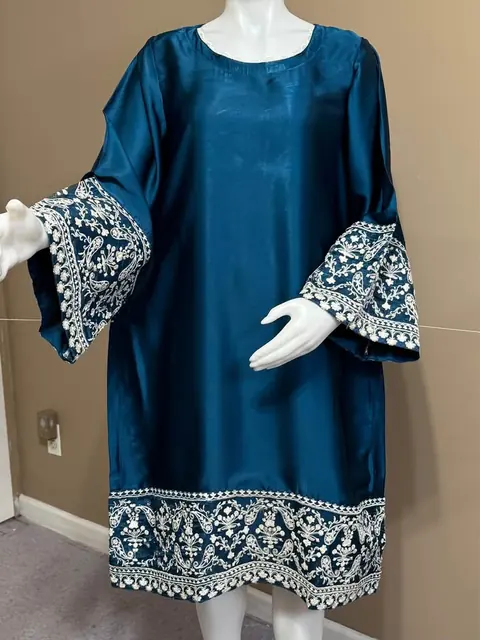
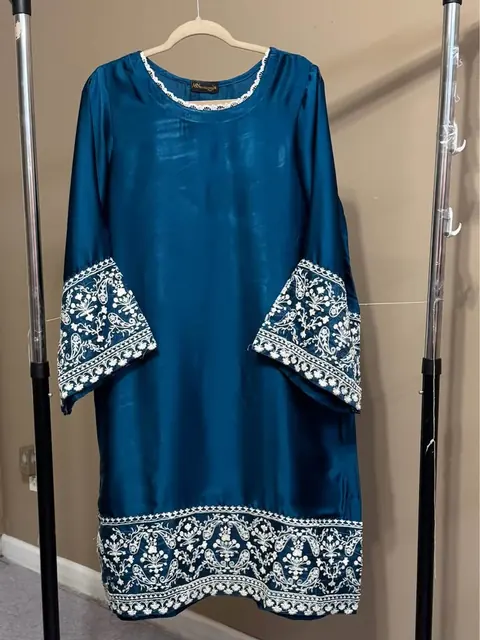
Silk can be washed at home if you are gentle, though dry cleaning is the safest choice for heavy embroidery or a piece you would hate to risk. Test first: dab a hidden seam with a damp white cloth, and if color comes off, take it to a dry cleaner.
To hand wash, use cold water and a detergent made for silk or wool, or a small amount of gentle shampoo. Wash quickly, rinse well and never wring. Roll the kurti in a towel, then hang it to dry in the shade. Cotton silk blends are a little sturdier but follow the same rules.
Iron silk inside out on the low silk setting, with a thin cotton cloth between the iron and the fabric. Water drops can leave marks on silk, so don't spray it while ironing.
Viscose: why it shrinks and how to stop it
Viscose, also called rayon, is soft and cool, which is why so many kurtis are made from it. But its fibers are weaker when wet and can shrink in warm water or a dryer. Wash viscose in cold water, by hand or on a delicate cycle, don't wring it, and gently pull it back into shape while it is damp.
Hang it or lay it flat to dry, away from sun and heat, and iron it inside out on a low to medium setting while it is still very slightly damp. If a viscose kurti does shrink a little, a gentle stretch while it is damp can often bring back some of the length.
Dealing with stains
Act quickly and gently. Blot a fresh spill with a clean cloth instead of rubbing, then rinse the spot from the back with cold water so the stain is pushed out the way it came in. Work a drop of mild liquid detergent into the spot with your fingertip, leave it for a few minutes and rinse again before washing the whole piece as usual.
Oil and food stains from a dinner come out more easily if you treat them the same day. Haldi (turmeric) stains are stubborn, so rinse them in cold water as soon as you can, and wear an old or yellow outfit to a haldi. On silk, chikankari or anything embellished, test any stain remover on a hidden seam first, or leave the stain to a dry cleaner.
Ironing, dupattas and storage
Iron most kurtis and suits inside out. It protects prints and embroidery, stops dark fabric from turning shiny and keeps sequins and stone work away from the iron. Lawn and cotton iron best while slightly damp on a medium-hot setting; silk, viscose, chiffon and organza need a low one.
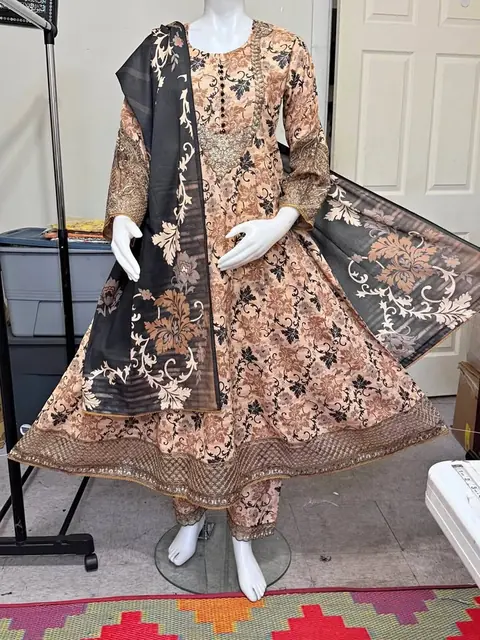
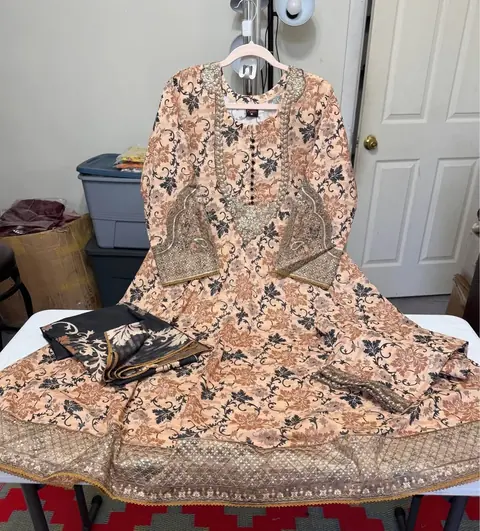
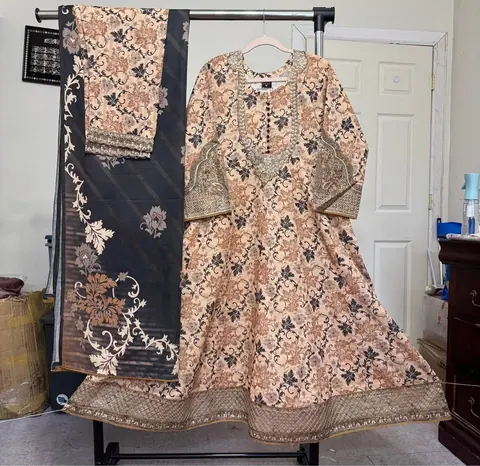
Organza and chiffon dupattas need the gentlest care: a quick hand rinse in cold water, no wringing, and drying flat or over a line in the shade. Embroidered organza dupattas with stone or foil work are best dry cleaned. Fold suits with tissue between embroidered layers, or hang them on padded hangers, in a dry closet, and keep heavily embroidered pieces out of plastic bags for long stretches so the fabric can breathe.
| Fabric | Wash | Dry | Iron |
|---|---|---|---|
| Lawn and cotton | Cold, by hand or delicate cycle; darks alone at first | Inside out, in the shade | Medium-hot, slightly damp, inside out |
| Khaddar and linen | Cold, inside out | In the shade, fully dry before folding | Medium-hot, inside out |
| Chikankari | Cold hand wash, no scrubbing | Flat or padded hanger, in the shade | Reverse side, over a towel |
| Silk | Cold hand wash or dry clean | Roll in a towel, hang in the shade | Low, with a pressing cloth |
| Viscose | Cold, gentle, no wringing | Reshape, hang or lay flat | Low to medium, inside out |
| Chiffon and organza | Quick cold rinse or dry clean | Flat or on a line, in the shade | Low |
Updated October 2026