First, find out which events you're going to
A South Asian wedding is usually several events over a few days, and each has its own mood. Your invitation, or a quick message to the host, will tell you which ones you're invited to.
- Mehndi: the henna night before the wedding, with music, dancing and lots of yellow, green and orange. Bright, comfortable outfits work best.
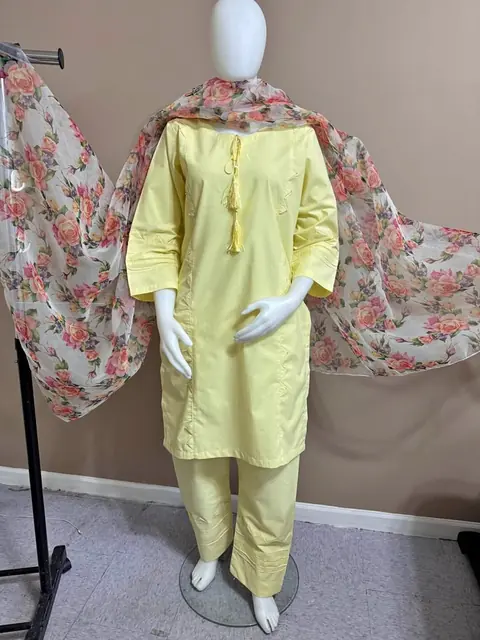
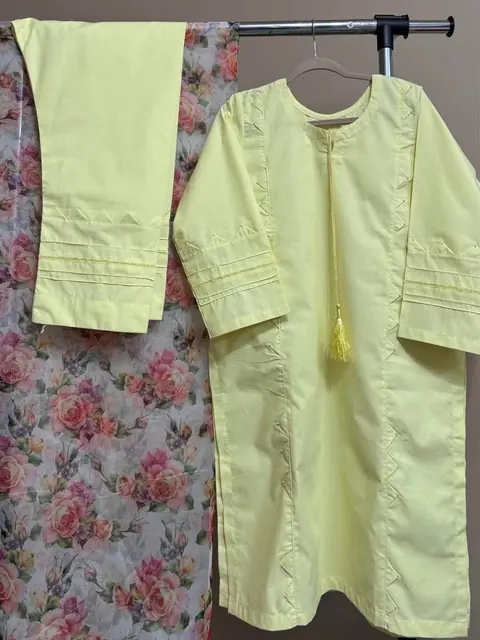
- Haldi: a daytime ceremony held by many Indian families, where turmeric paste is put on the couple. Wear yellow, and wear something you don't mind getting stained.
- Sangeet: an Indian evening of music and dancing, often with performances by family and friends. Festive, dressy and easy to move in.
- Nikah: the Muslim marriage ceremony, held at a mosque, a hall or at home. Choose something elegant and modest, with a dupatta you can use to cover your head.
- Baraat: the groom's arrival with his family and friends. In India it is a lively procession with music and dancing; at Pakistani weddings the baraat is usually the main and most formal event.
- Walima: the reception given by the groom's family after a Muslim wedding. Elegant, and a little calmer than the baraat.
- Reception: the evening party many Indian families hold after the ceremony. Think dressy evening wear.
Colors: what to wear and what to skip
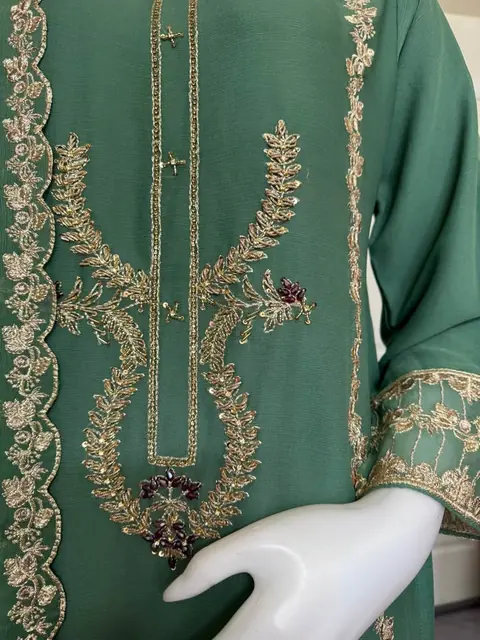
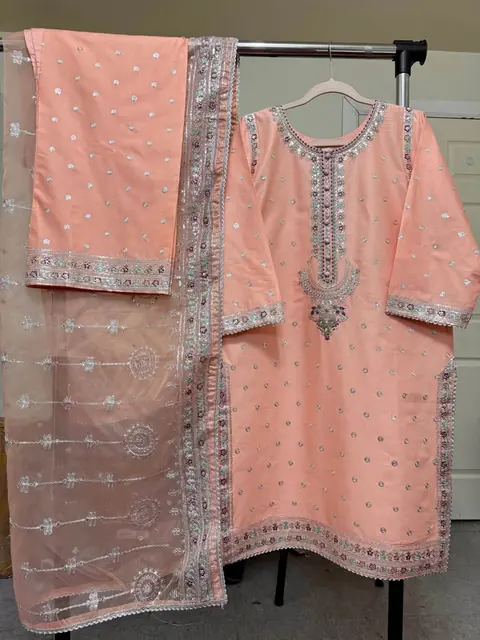
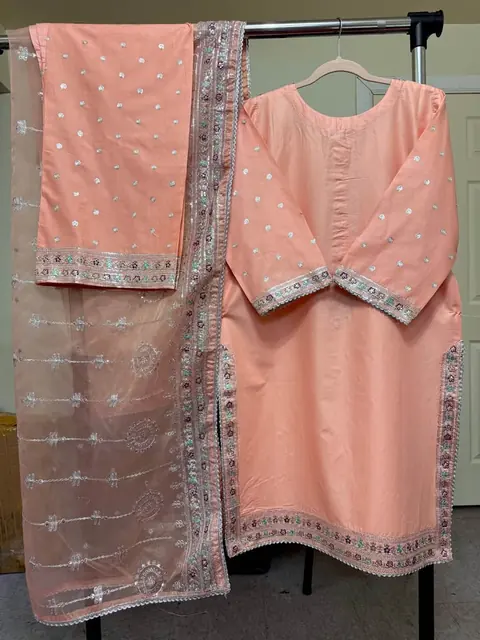
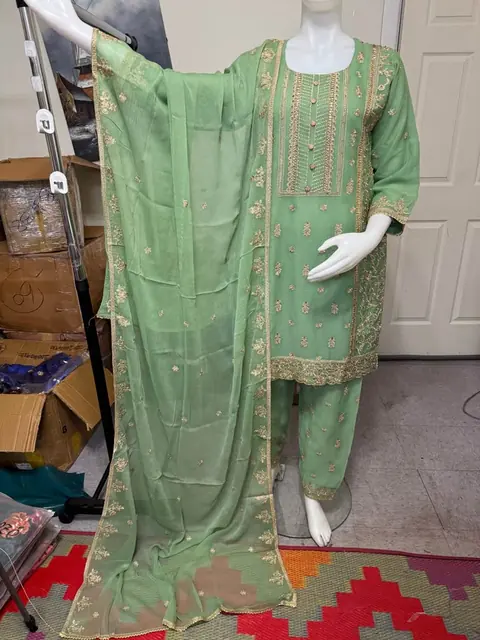
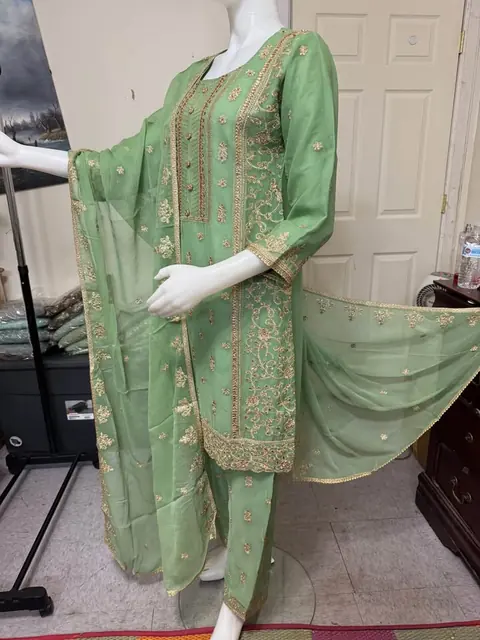
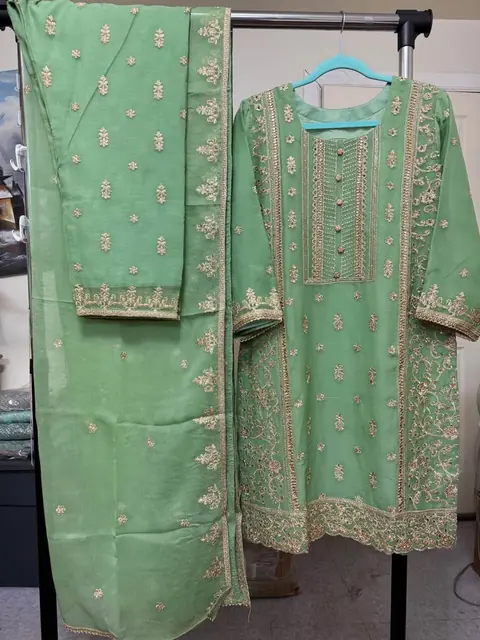
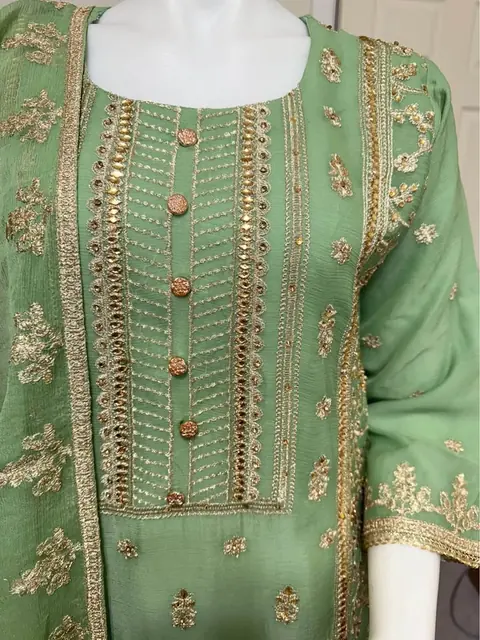
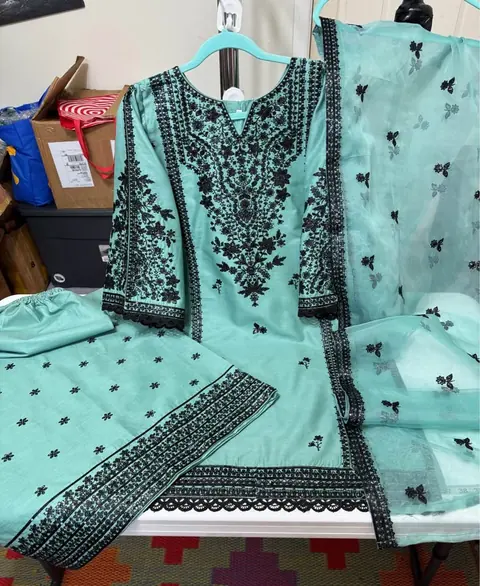
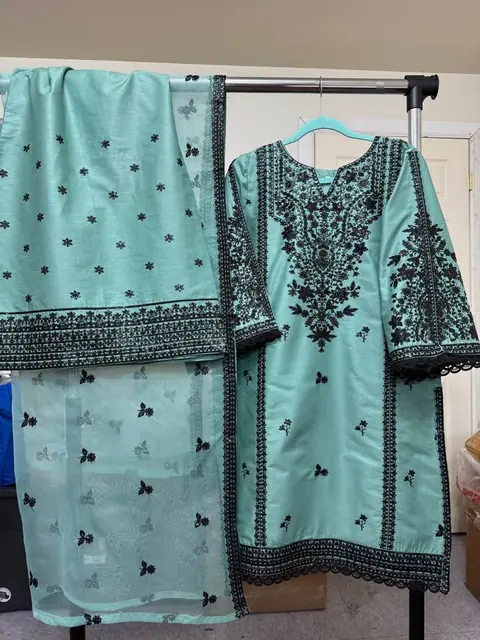
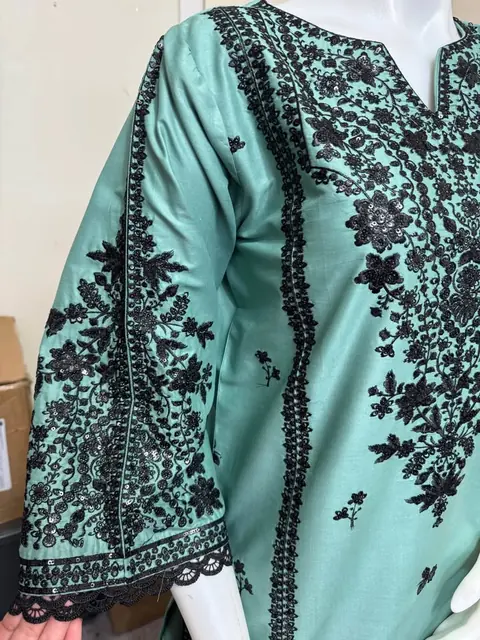
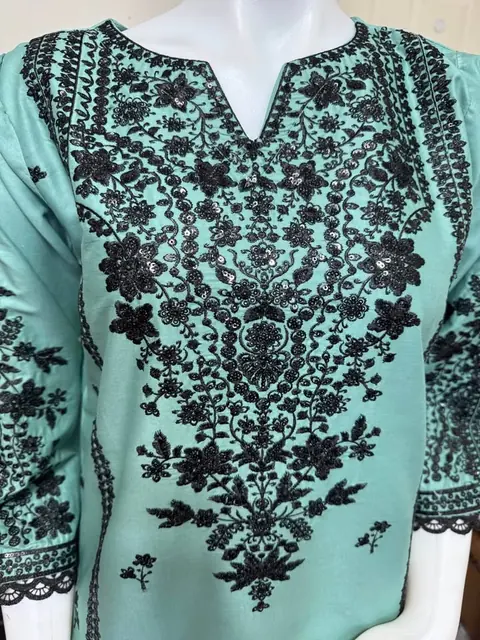
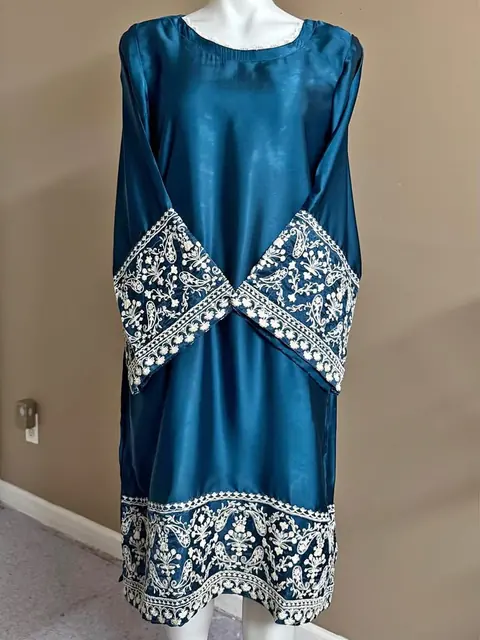
Desi weddings are bright, so don't be shy with color. Jewel tones like emerald, royal blue, magenta, purple and deep pink look festive at evening events, and pastels like mint, peach, powder blue and lilac are lovely in the daytime.
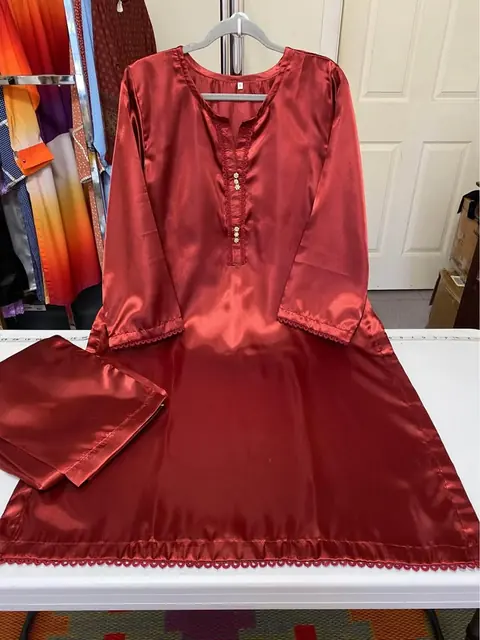
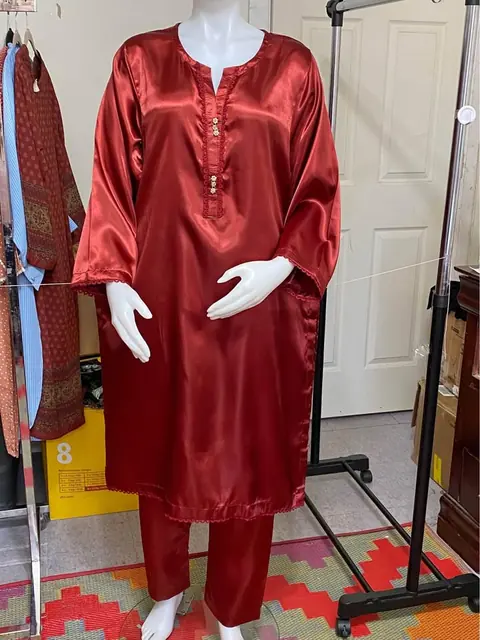
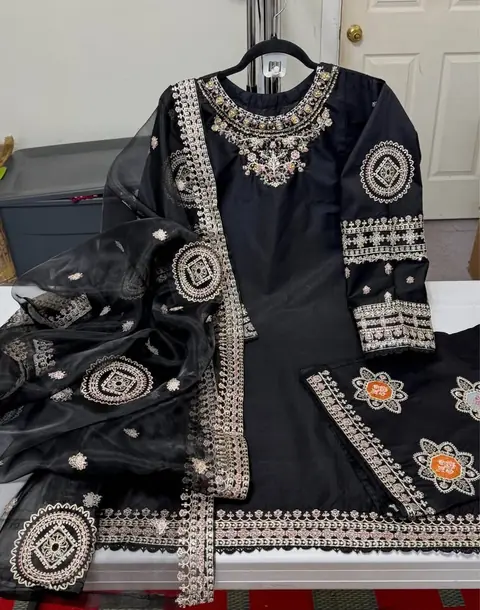
A few colors are worth checking first. Red, and heavy red-and-gold outfits, traditionally belong to the bride at most Indian ceremonies and many Pakistani baraats, so most guests leave them to her. Some families see all-white or all-black as colors of mourning or bad luck, while others don't mind at all, especially at an evening reception. If you aren't sure, ask the host or another guest; families are happy to be asked. For a mehndi or haldi, yellow and green are the classic choices.
Modest cuts that work everywhere
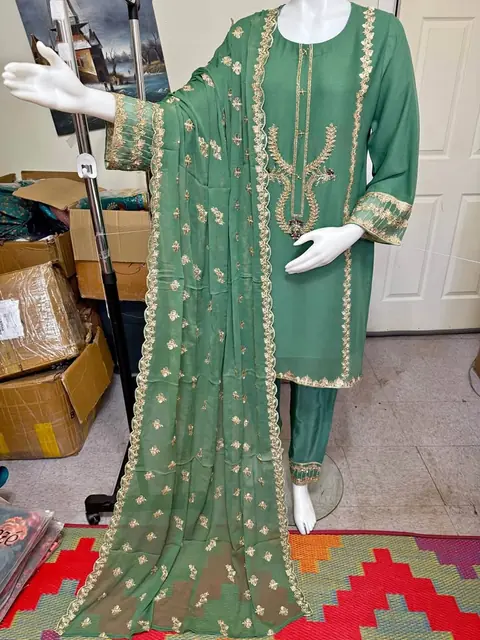
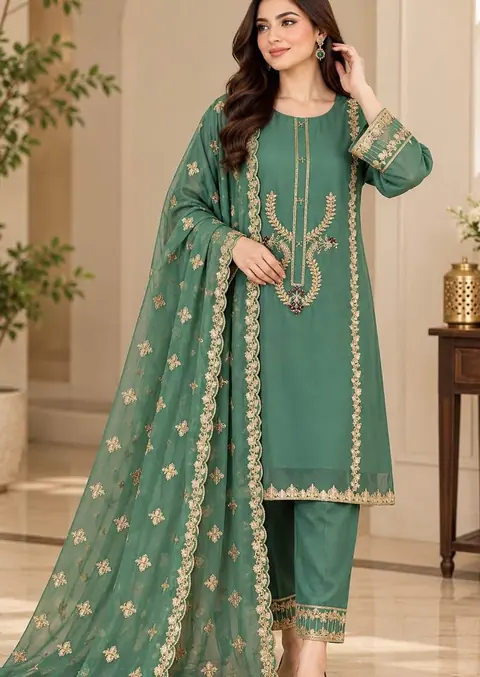
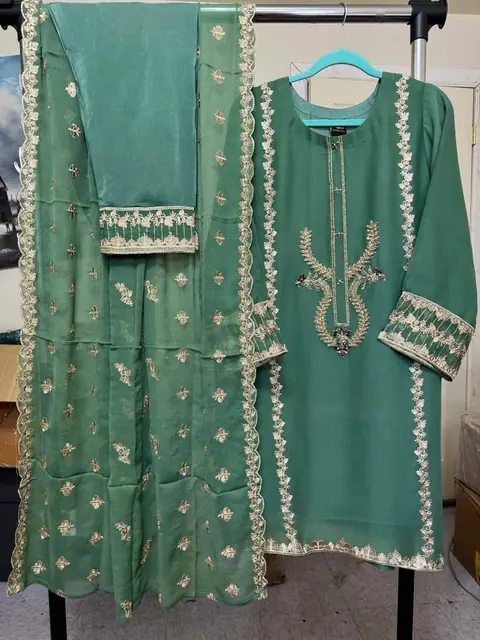
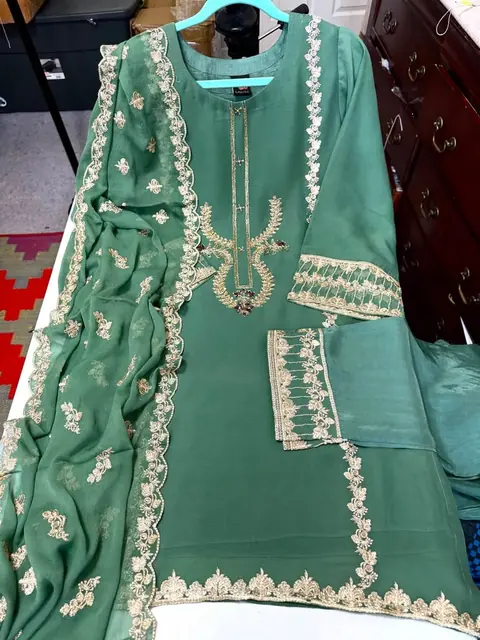
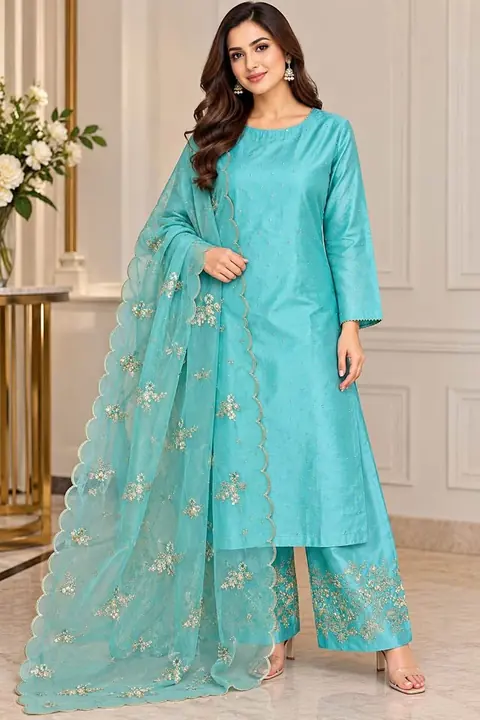
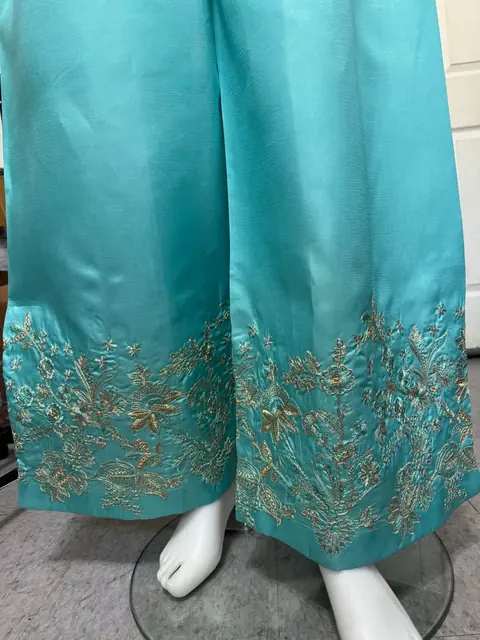
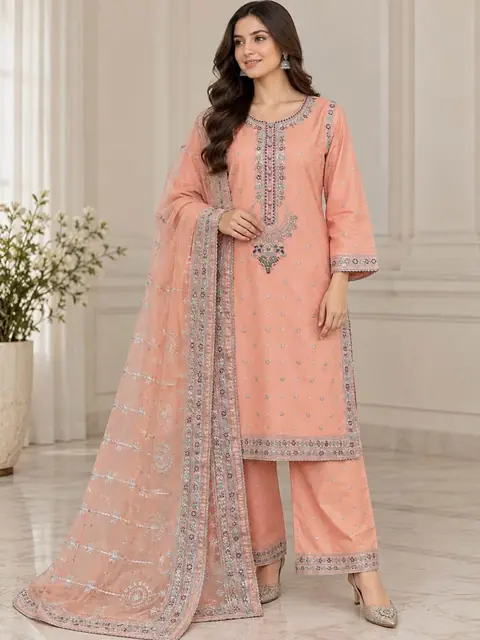
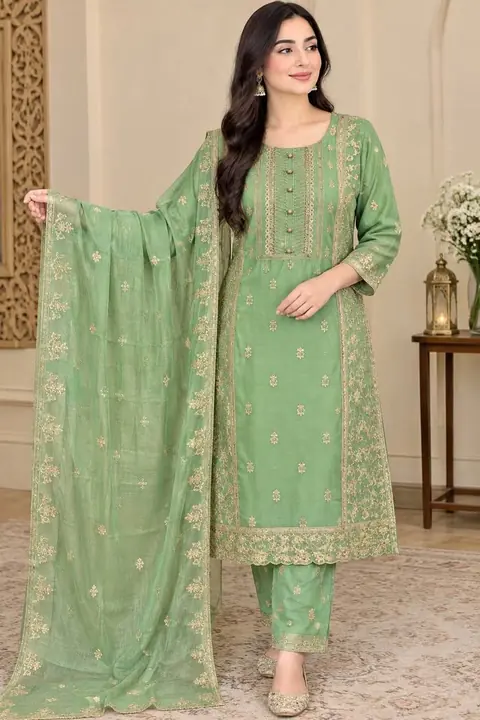
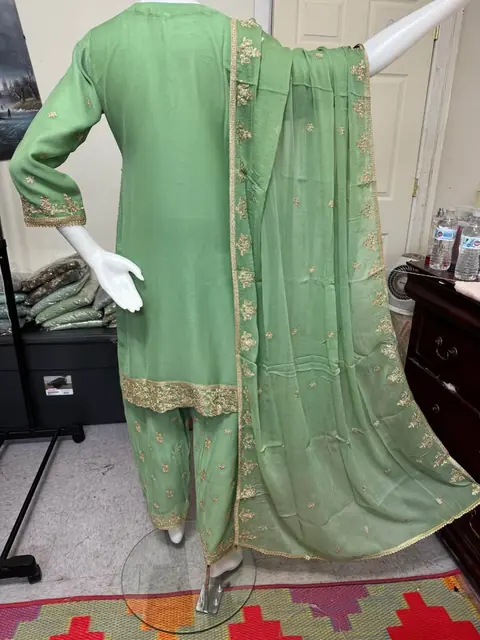
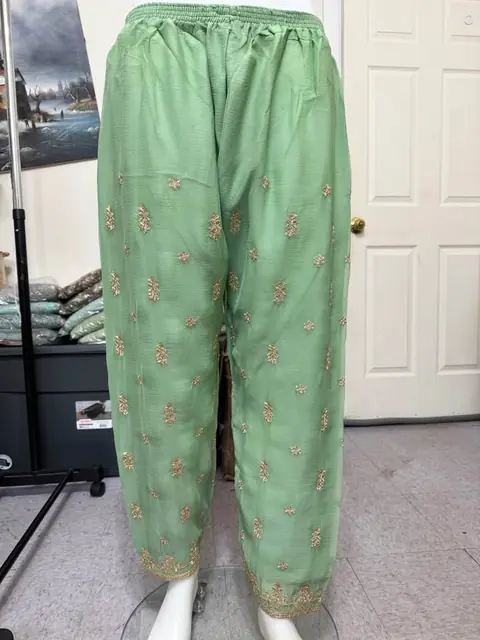
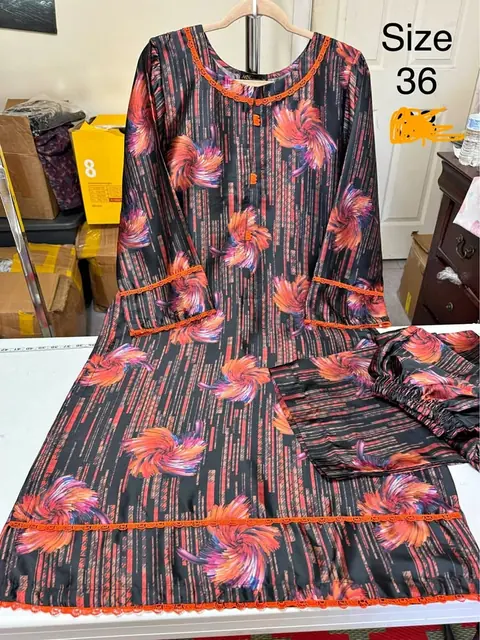
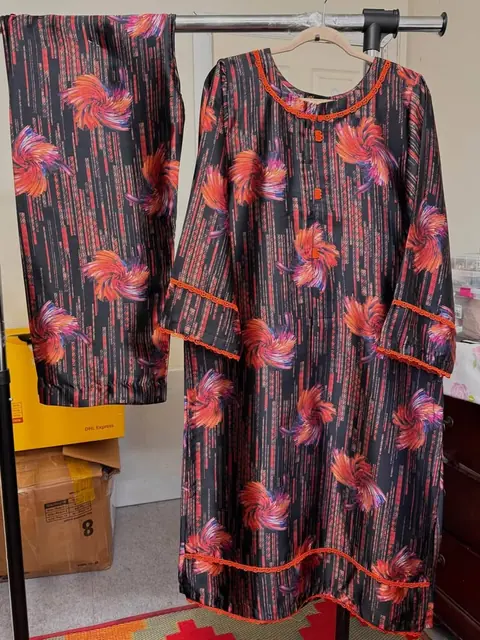
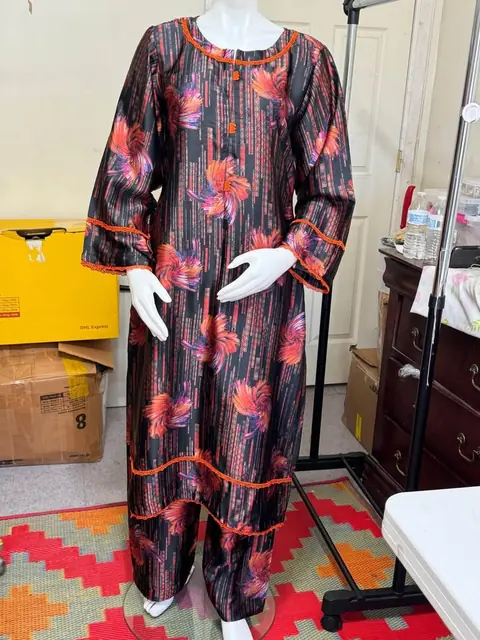
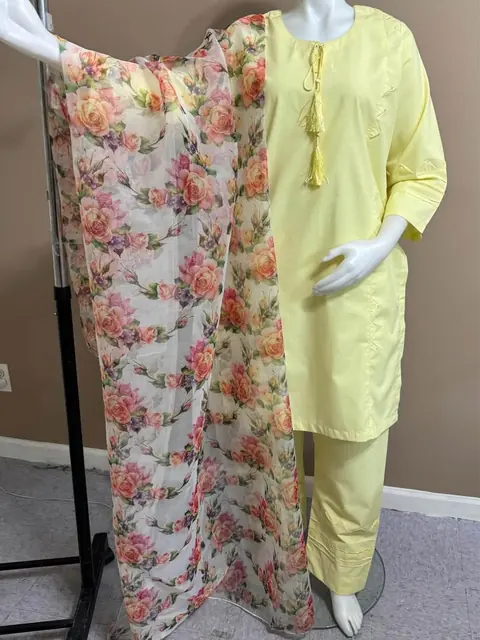
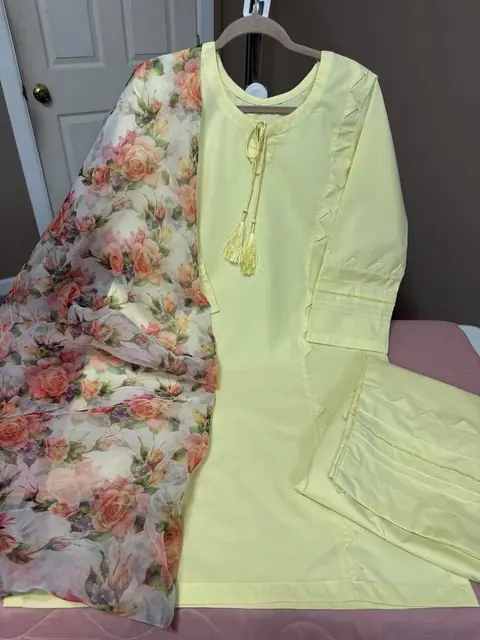
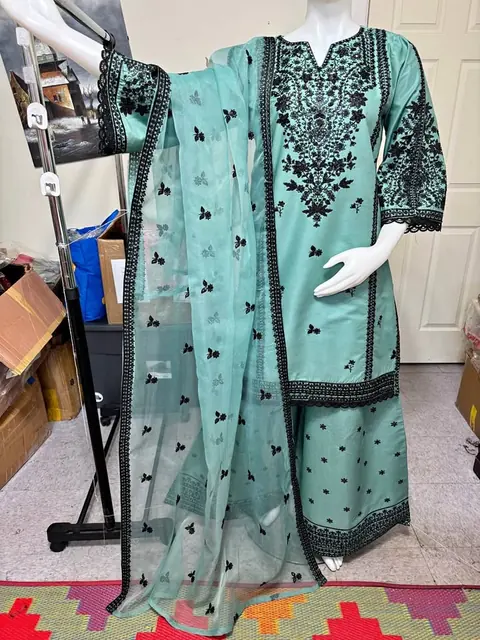
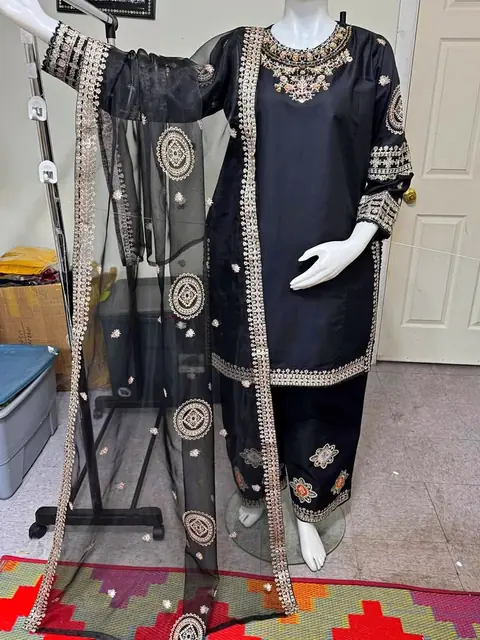
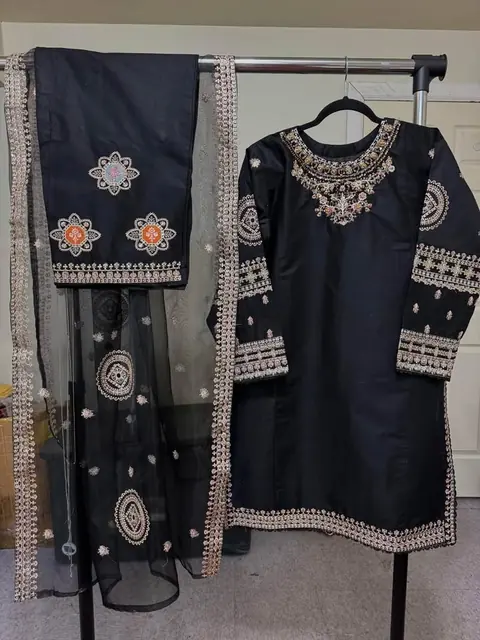
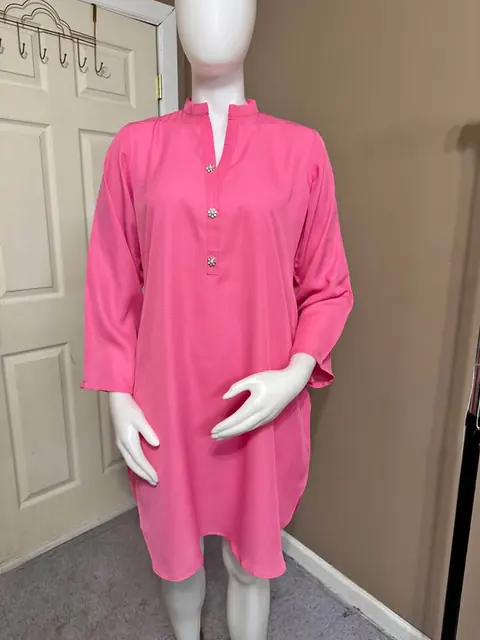
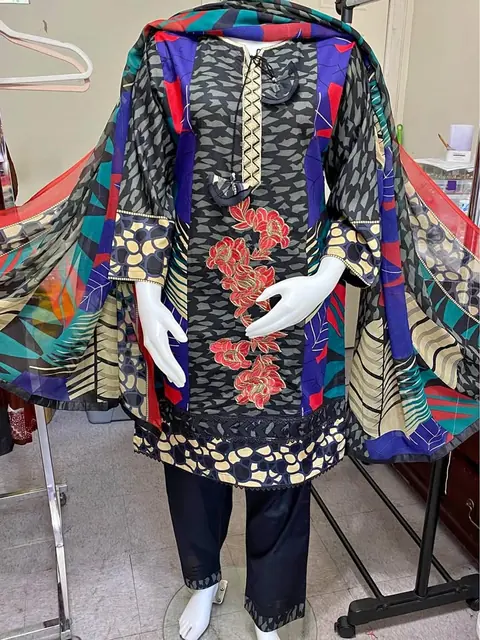
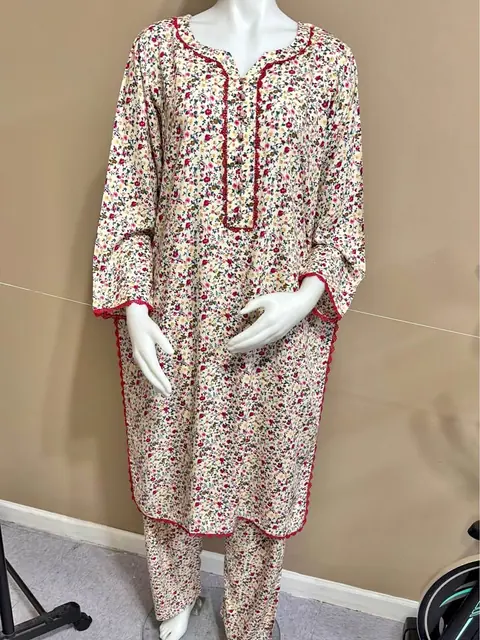
Many Indian and Pakistani families are fairly traditional, and a nikah or a temple ceremony is a religious event, so it is wise to cover your shoulders and keep hemlines long. A suit with sleeves and a long shirt over a shalwar, straight pants or palazzos is ideal, because it is modest without any effort.
Carry a dupatta. It finishes the outfit, covers your head for the nikah or a religious ceremony, and adds warmth in a cold hall. At a Sikh wedding in a gurdwara, everyone covers their head and takes off their shoes, so flat, easy shoes help. If you may be sitting on the floor, wide trousers are far easier than a tight skirt.
Fabrics for every season
A summer mehndi in a backyard and a winter reception in a chilly banquet hall call for different fabrics.
- Spring and summer: chiffon, georgette, lawn and embroidered cotton stay light and cool. A lawn suit with a chiffon dupatta is dressy enough for daytime events.
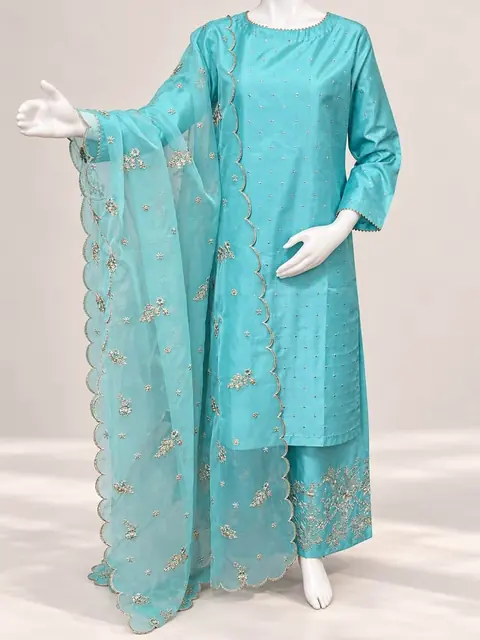
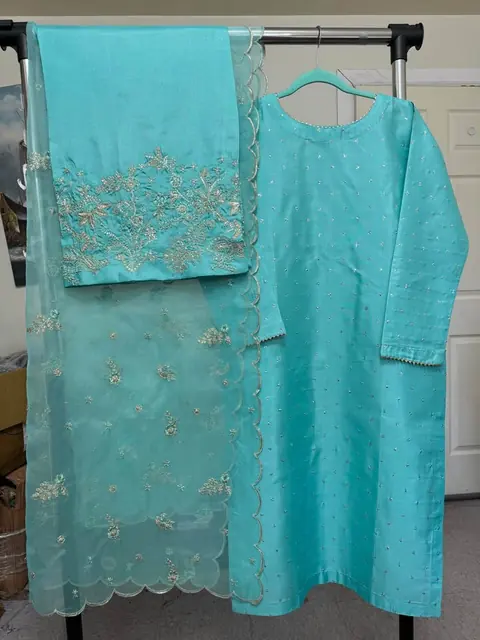
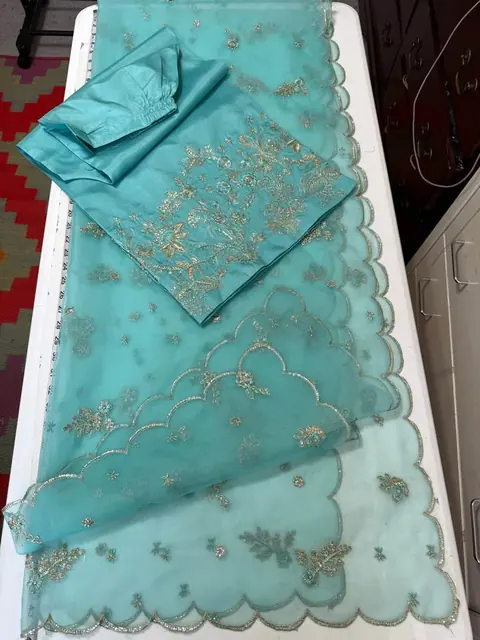
- Evenings, any time of year: chiffon, organza and silk catch the light. An organza dupatta with sequin or stone work can lift a simple suit.
- Fall and winter: silk, katan silk, velvet and khaddar are warmer. Bring a shawl for the walk from the car.
Shoes, jewelry and finishing touches
Comfortable shoes matter more than you'd think. There is a lot of standing, dancing and, at a gurdwara or temple, taking shoes off, so embellished flats, khussas or block heels are a better bet than stilettos.
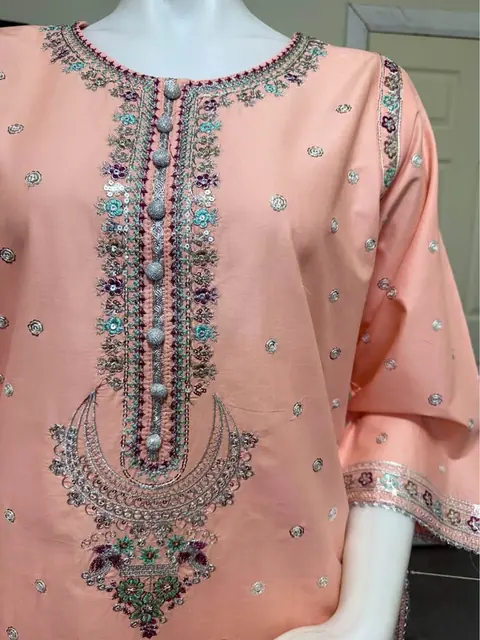
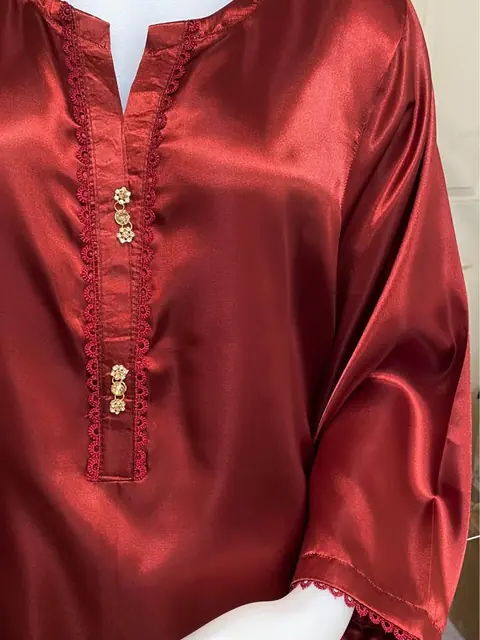
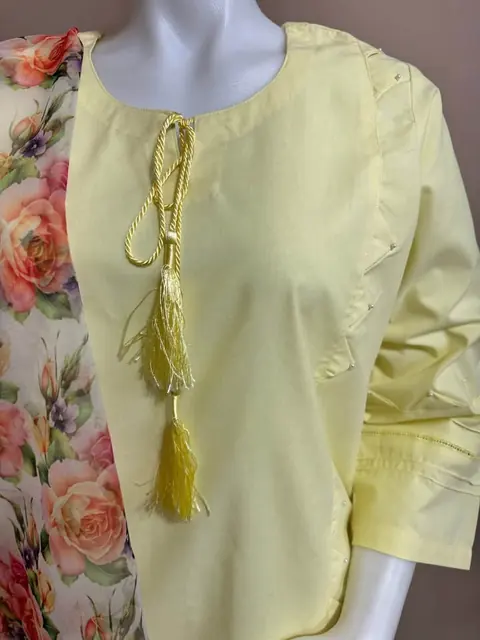
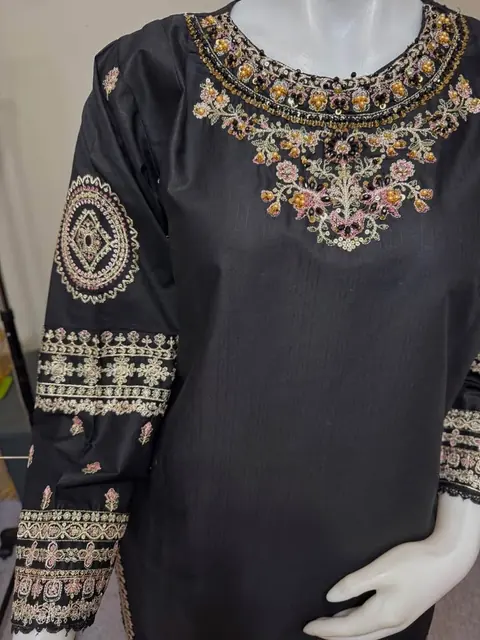
For jewelry, bold earrings such as jhumkas, a stack of bangles and a small clutch are plenty; with a heavily embroidered neckline, skip the necklace. Tuck a couple of safety pins in your bag to hold your dupatta in place, and bring a light shawl or wrap for air-conditioned halls.
Plus sizes and getting the fit right
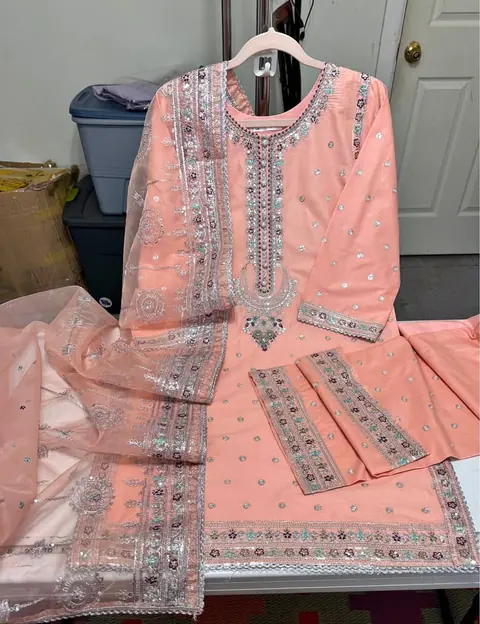
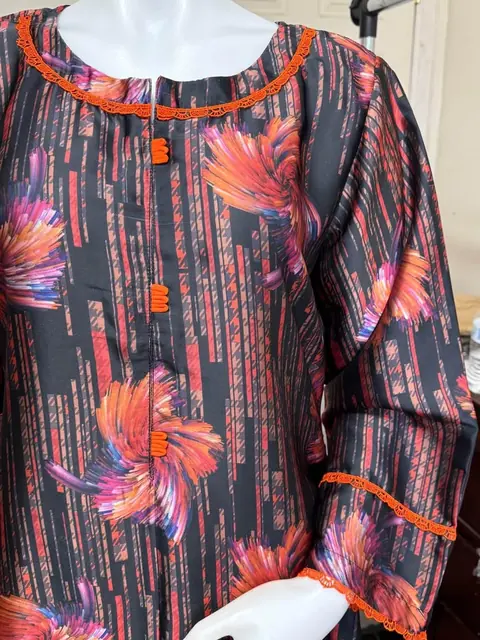
Plus-size guests have plenty of good options. Straight and A-line kameez cuts with a shalwar or palazzos are comfortable through a long evening of sitting, eating and dancing, and a long, flowing shirt skims rather than clings. Embroidery at the neckline and a dupatta draped over one shoulder draw the eye up and frame the face.
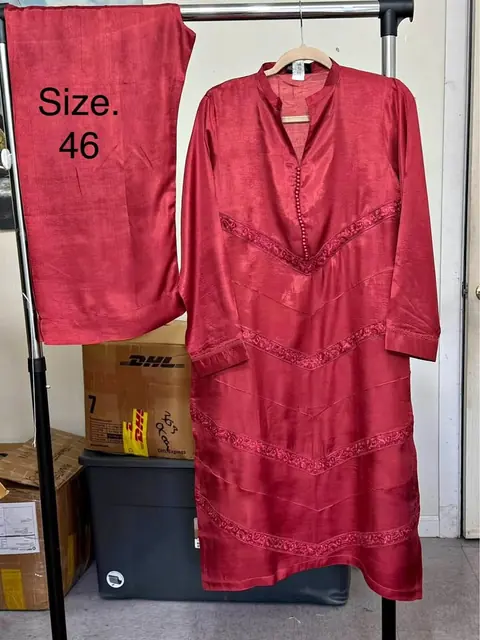
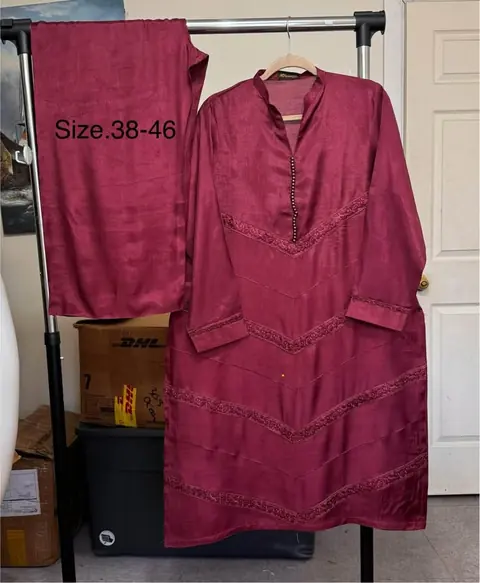
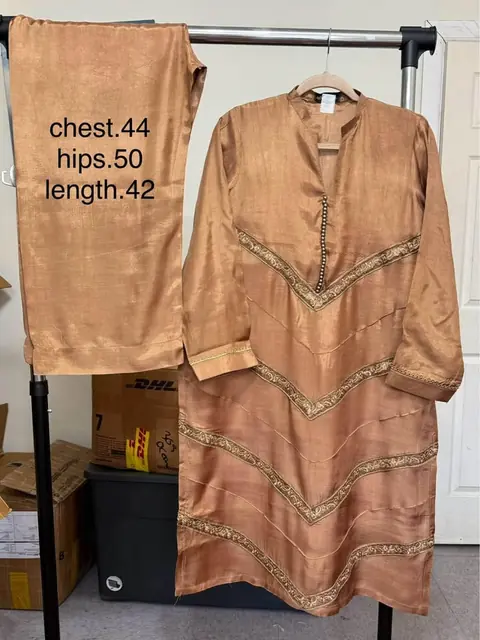
Sizes vary a lot between brands, so go by the chest and hips in inches on each listing, not the letter. The shop's plus-size page gathers the XL and 2XL pieces, and the size guide explains how to measure. If you have a wedding date, order with time to spare so you can ask Shagufta for a video or extra photos and agree the shipping cost on WhatsApp.
Not South Asian? You're welcome in desi clothes
If you aren't Indian or Pakistani, wearing a salwar kameez, kurta set or lehenga to the wedding is almost always taken as a compliment. Hosts love seeing guests join in, and someone will usually offer to help with your dupatta.
Just follow the same guidelines as everyone else: skip bridal red, keep it modest for religious ceremonies, and ask if you're unsure. A Western dress is fine too, as long as it is dressy, covers your shoulders for the ceremony and avoids any colors the family has asked guests to skip. Shopping for Indian wedding guest outfits in the US can feel daunting, but a simple embroidered suit in a festive color is all you need.
Shop the pieces
Updated October 2026