The short answer
Both are the same basic outfit: a kameez or kurta (the long shirt), a pair of trousers, and often a dupatta, the long scarf worn over the shoulders. Pakistanis usually call it a shalwar kameez, a suit, or simply a dress. In India the same outfit is a salwar kameez, a salwar suit or a kurta set.
The shalwar kameez is the national dress of Pakistan, and in India it is worn everywhere, especially in the north. So the difference is less about where a piece was made and more about style. That's why a shop in Delhi can sell a Pakistani-style outfit and a shop in Lahore can sell something that looks very Indian.
Cut and length of the shirt
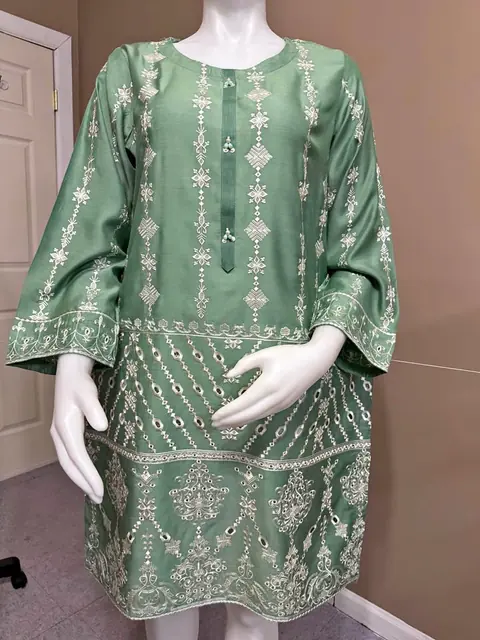
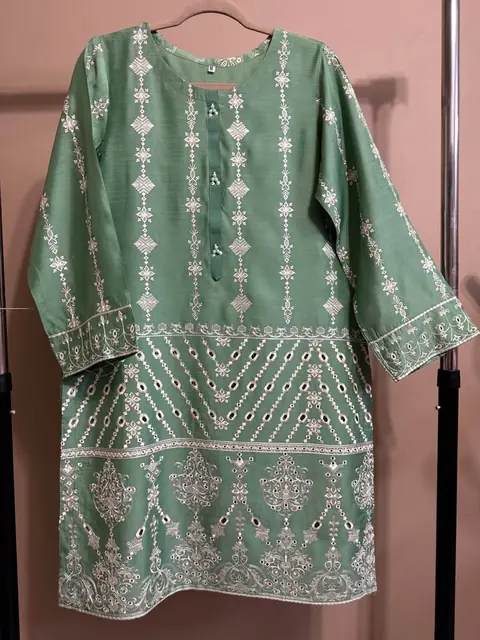
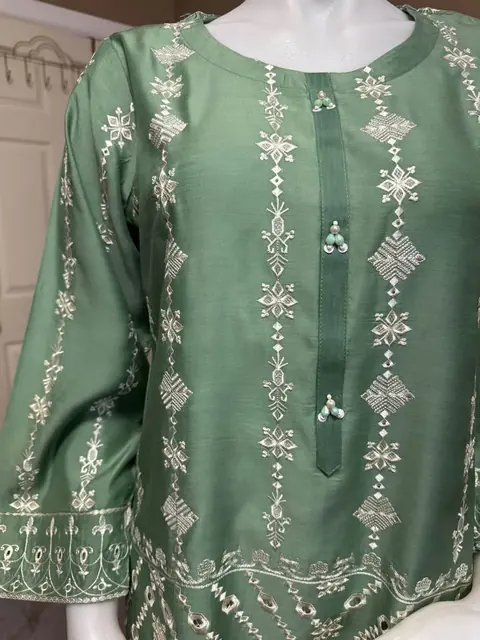
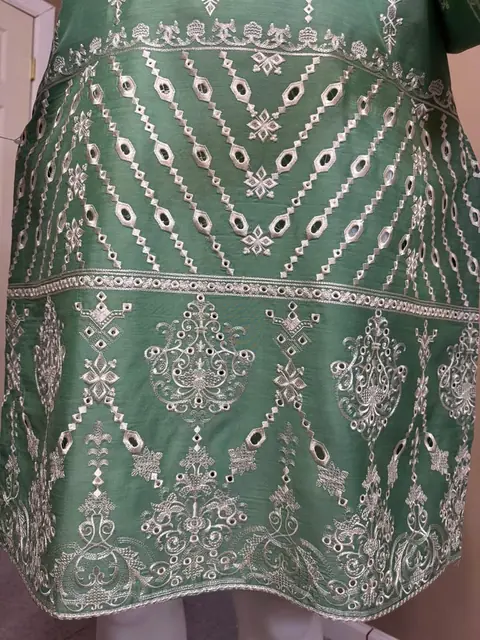
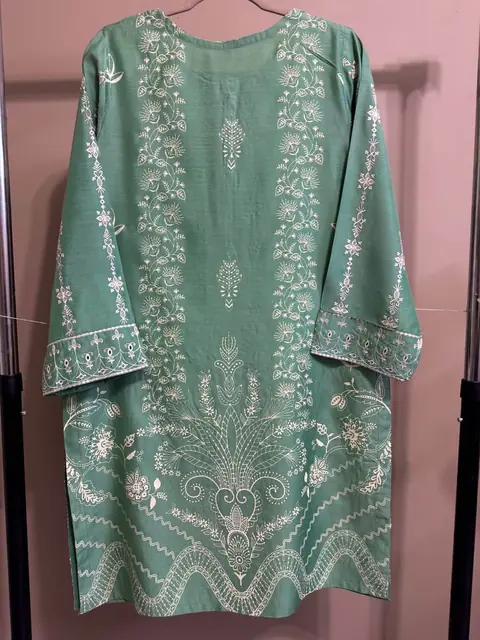
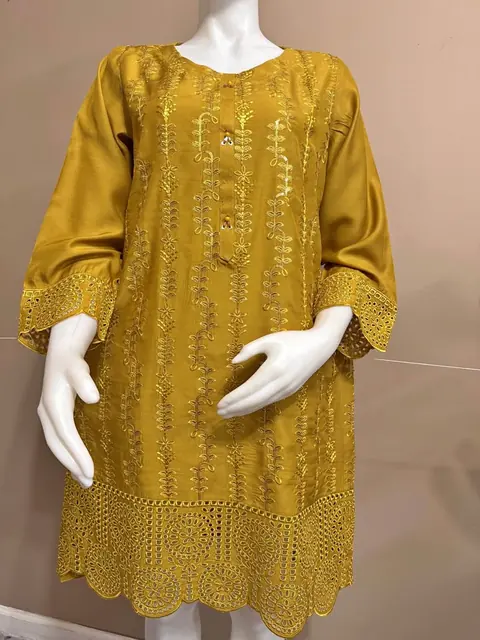
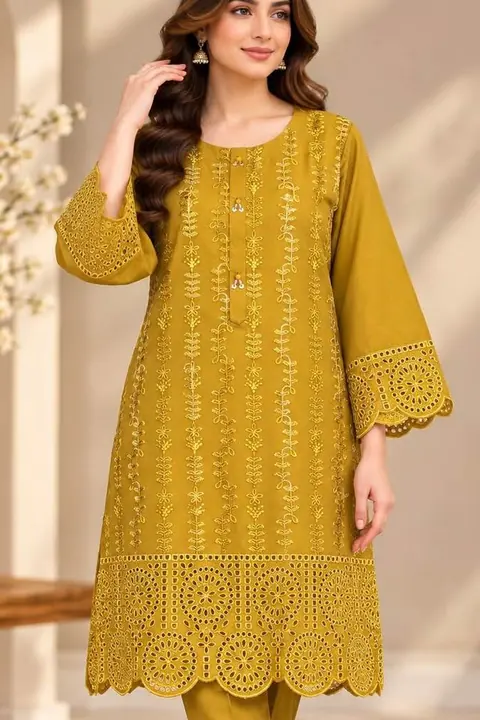
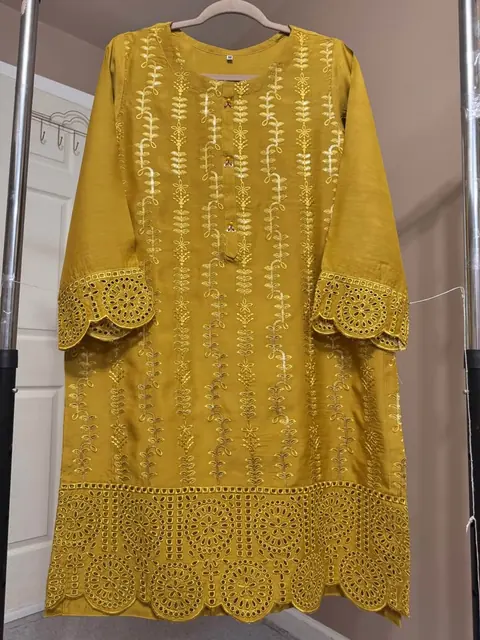
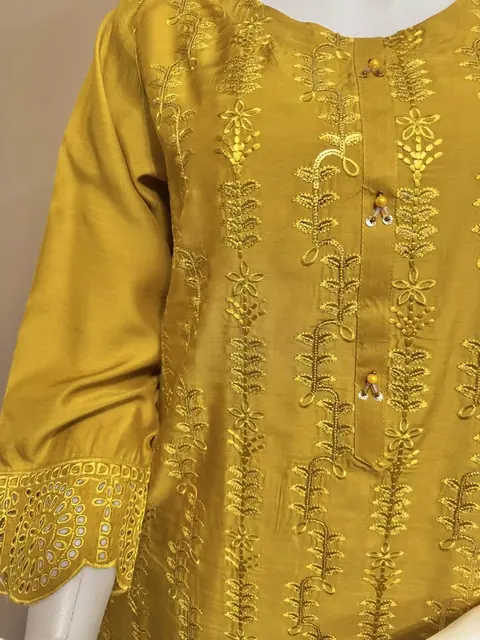
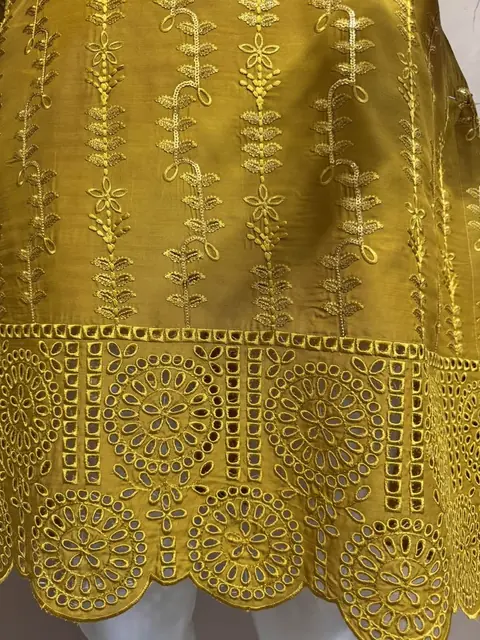
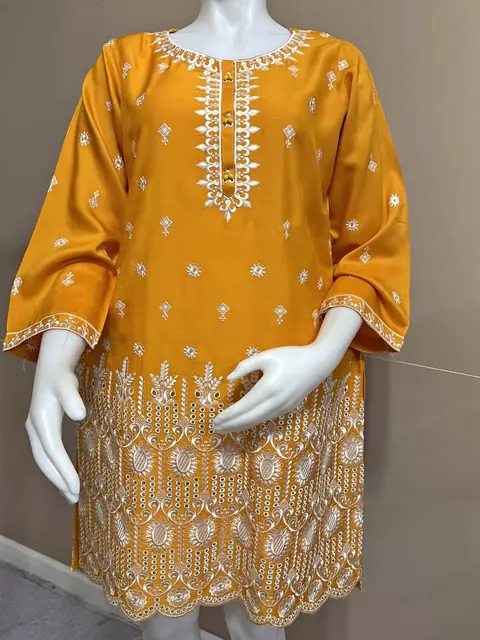
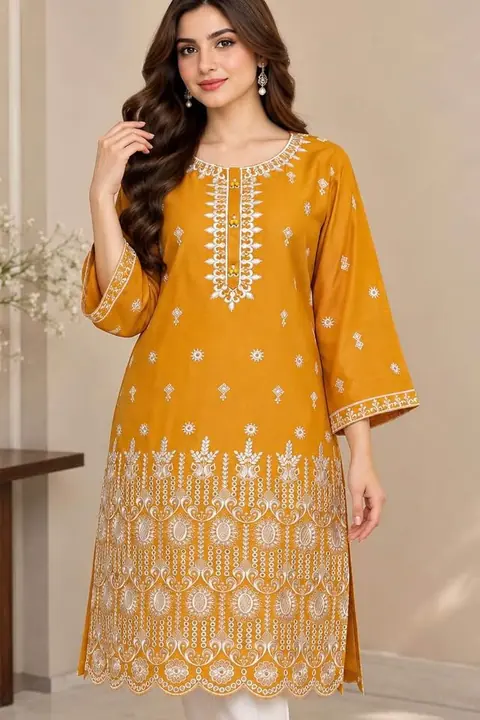
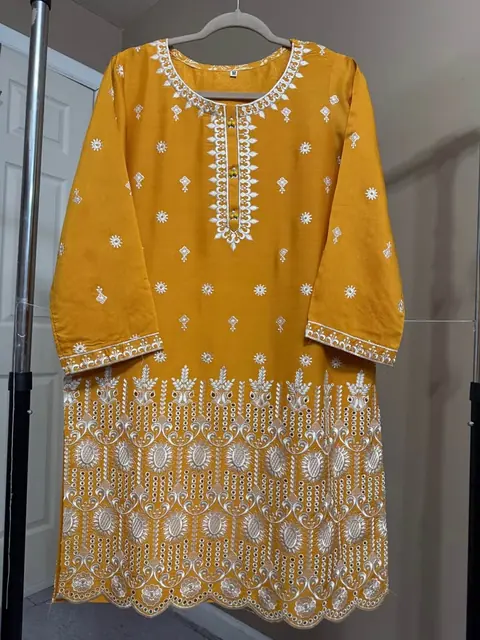
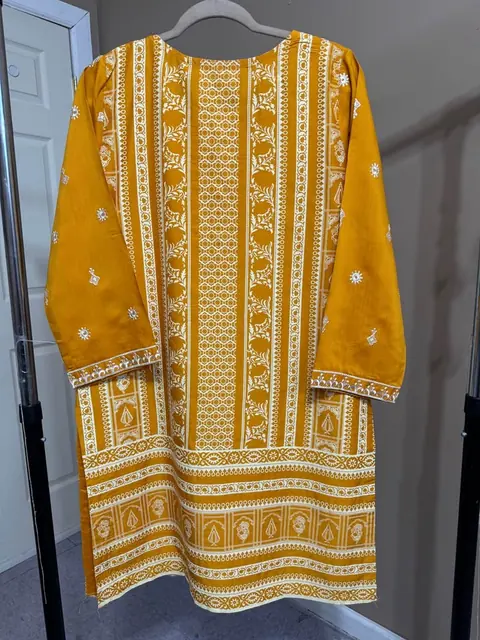
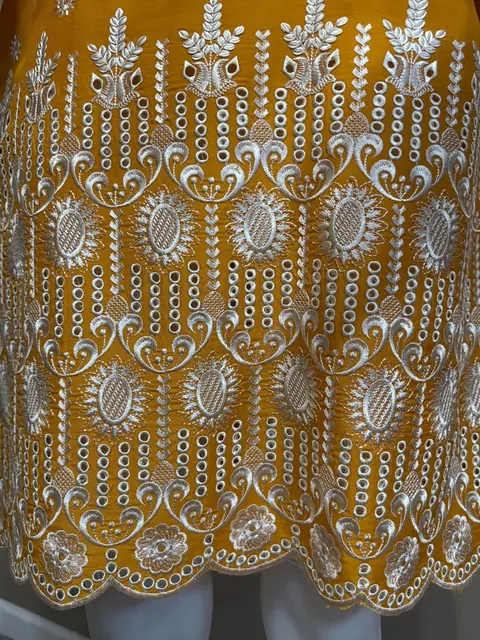
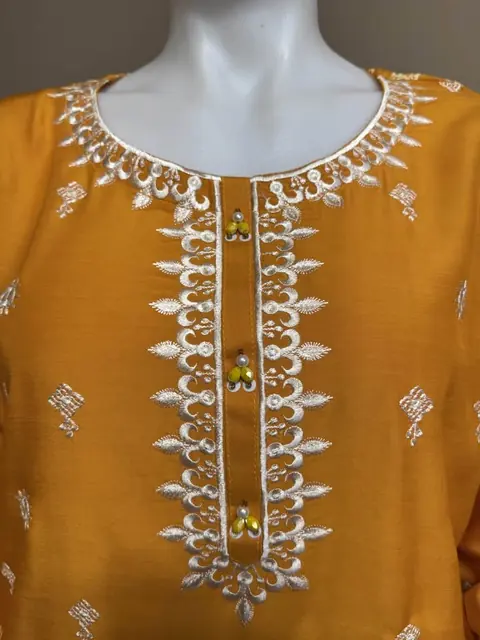
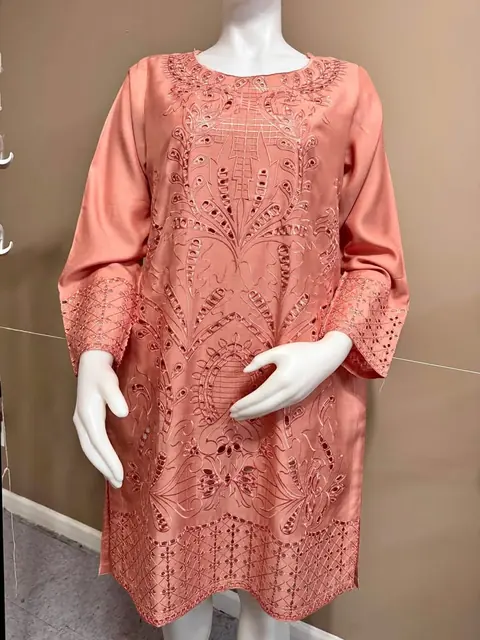
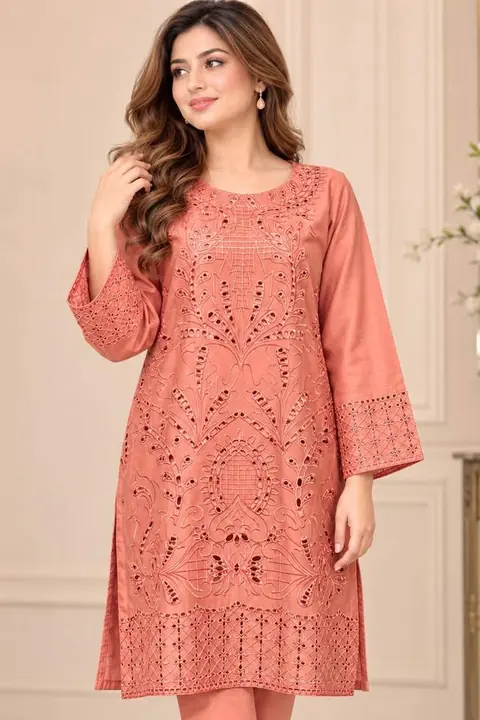
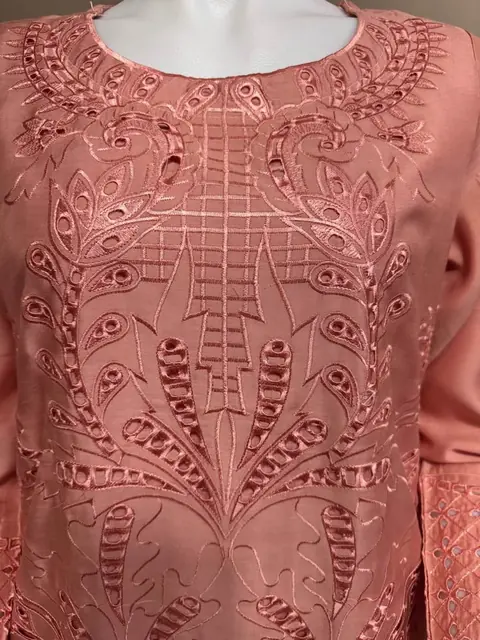
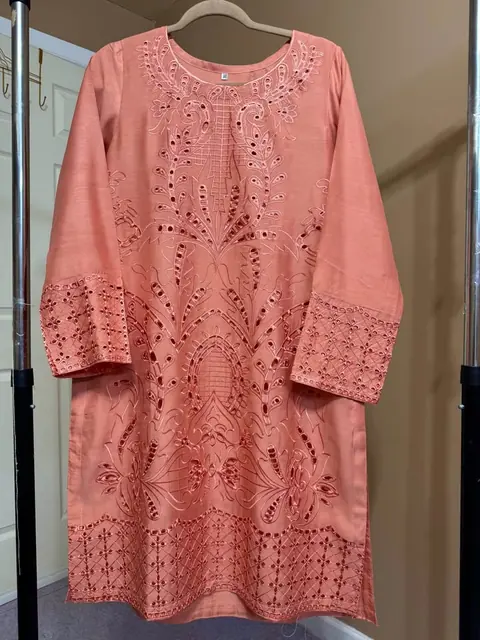
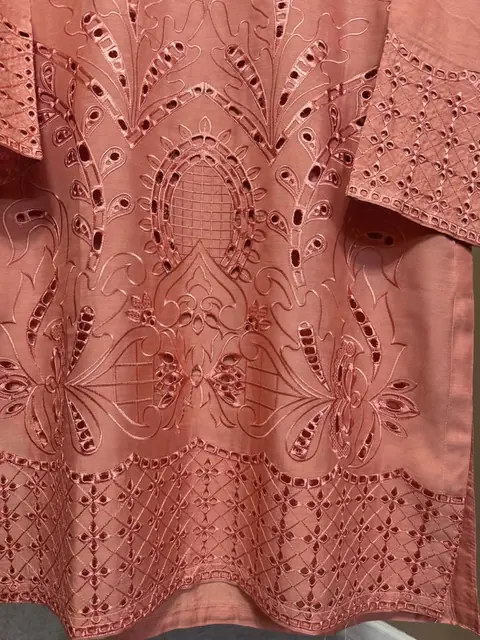
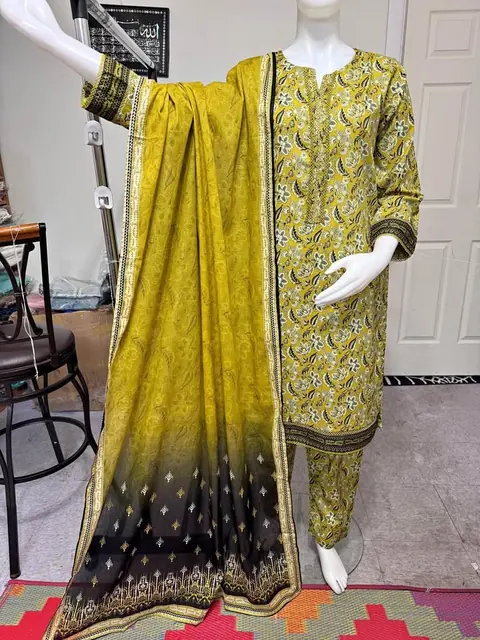
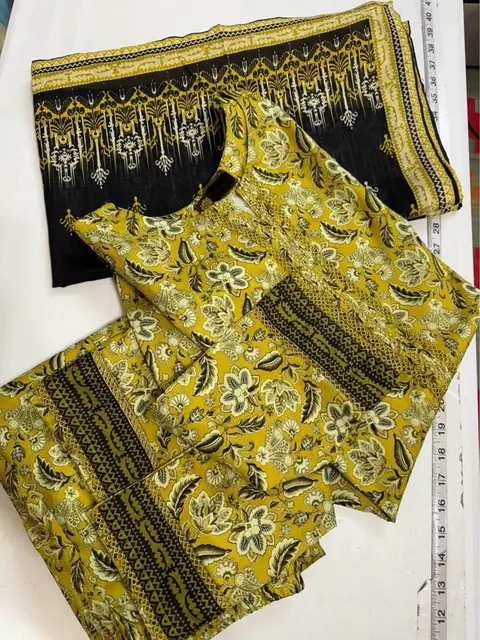
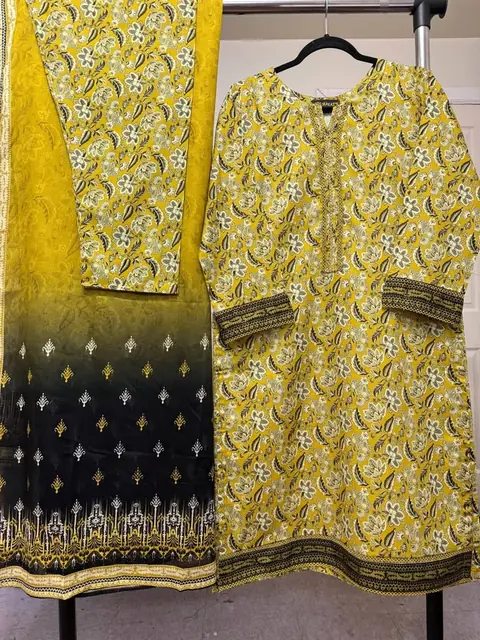
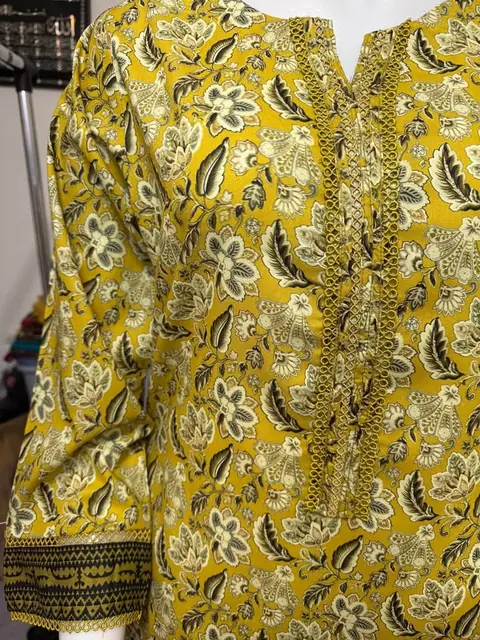
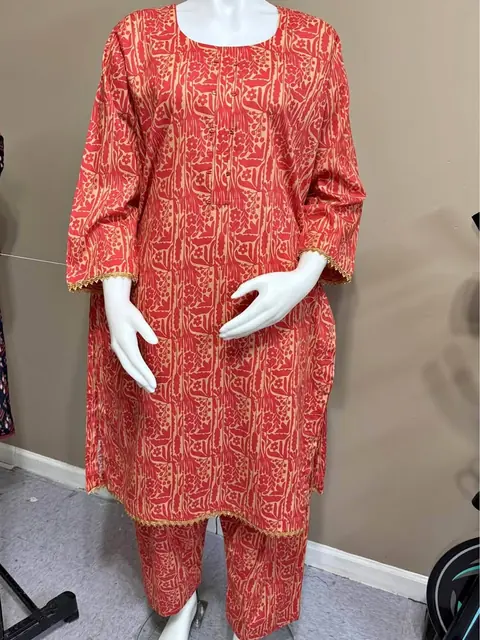
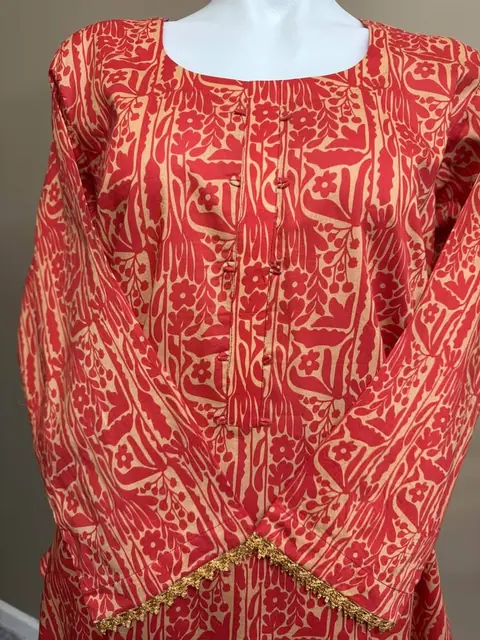
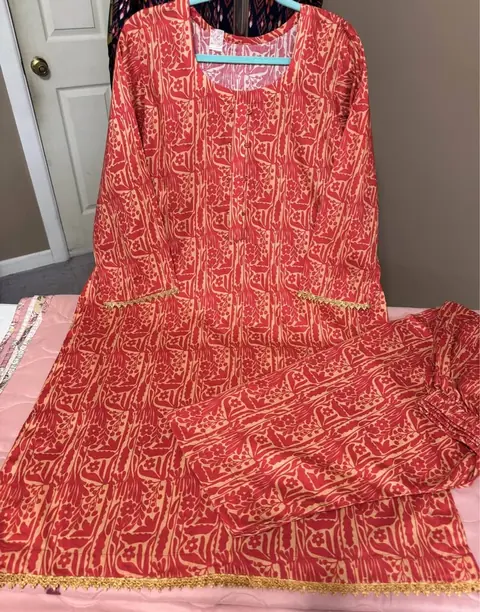
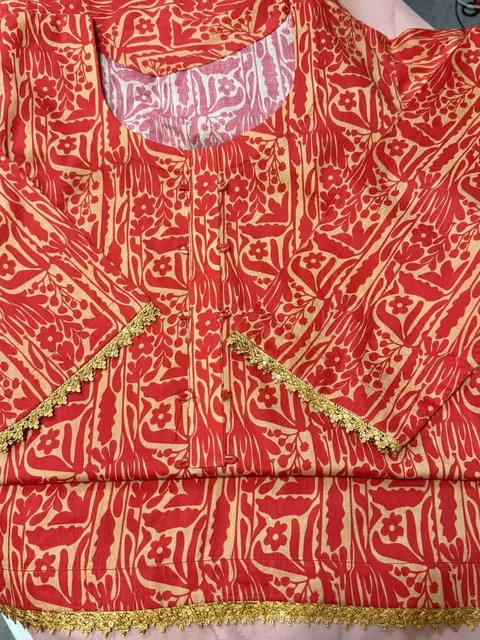
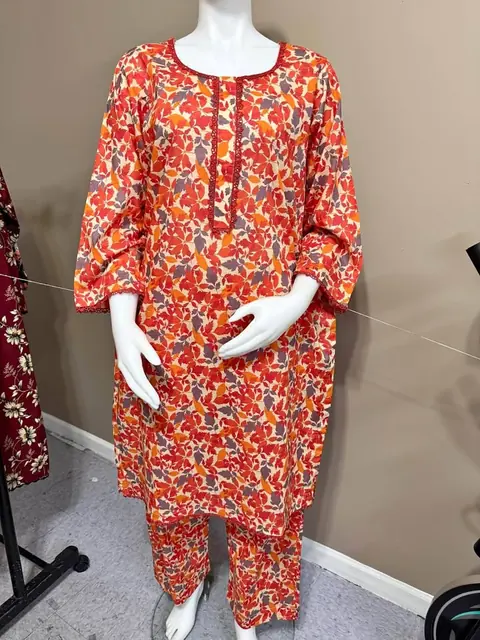
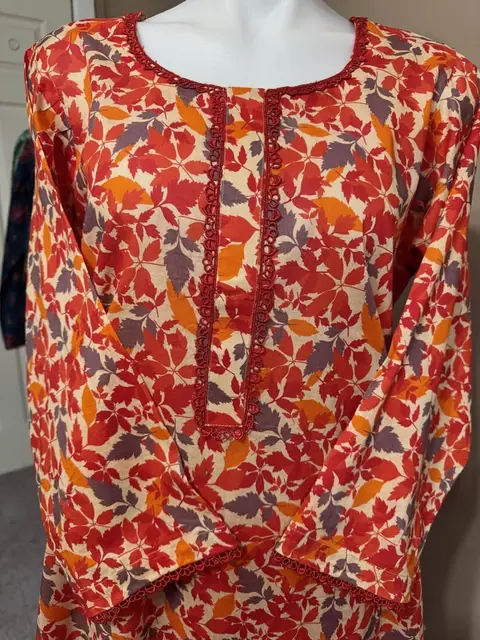
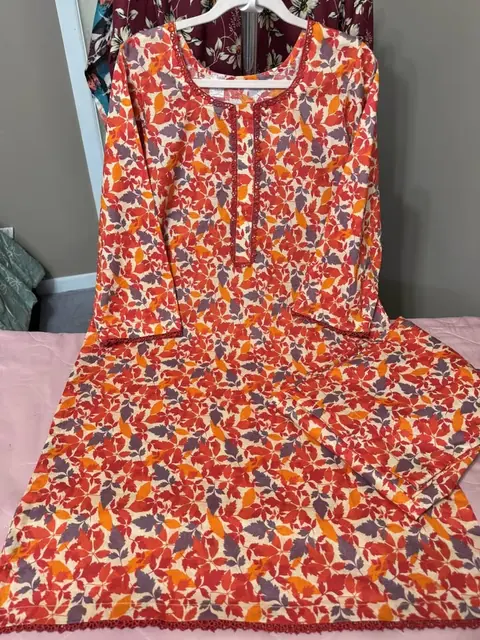
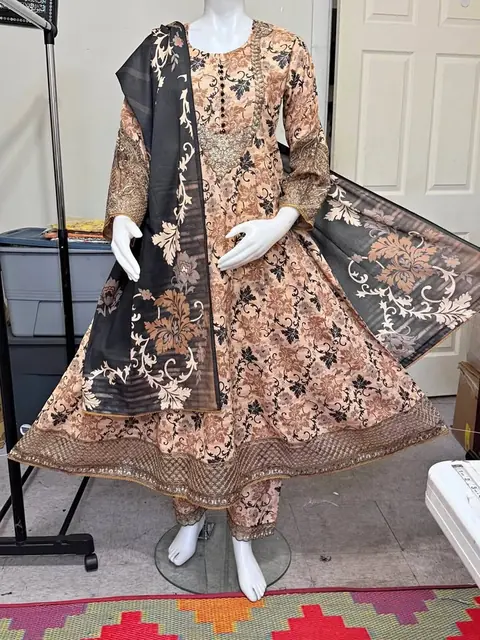
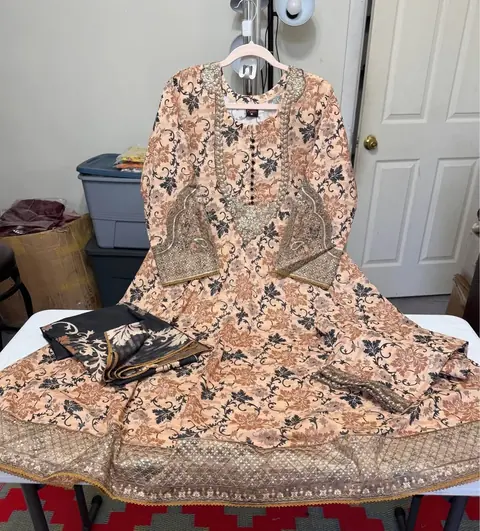
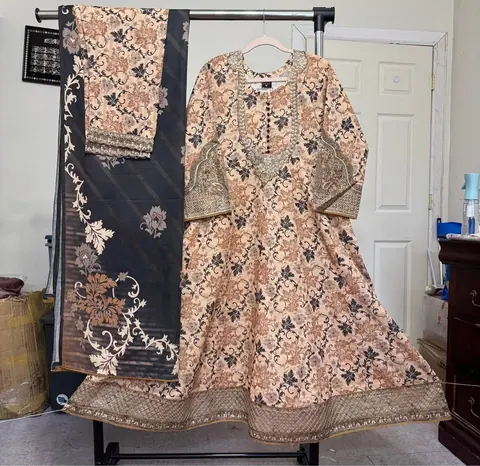
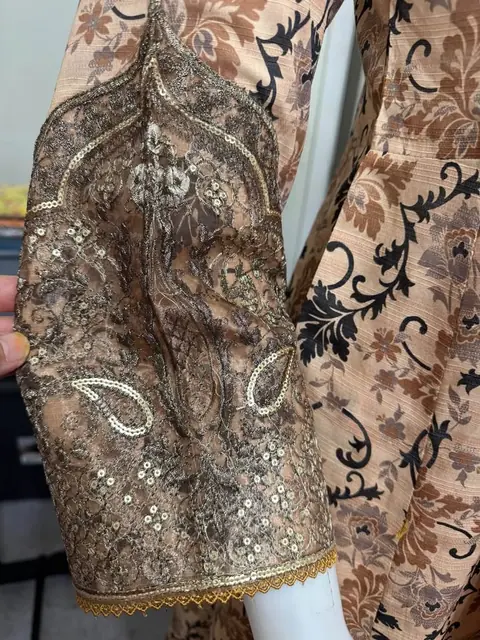
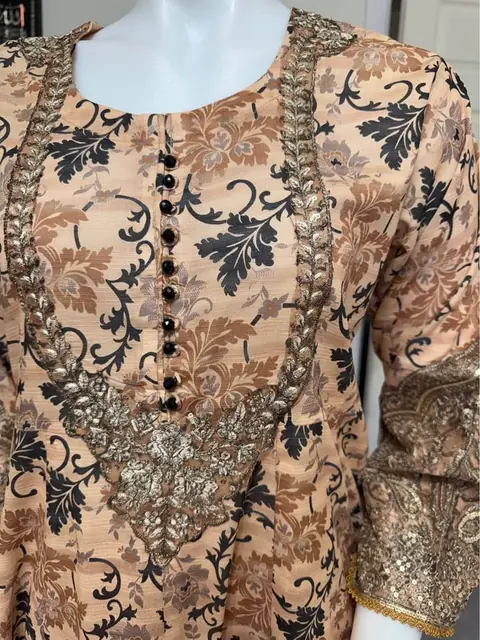
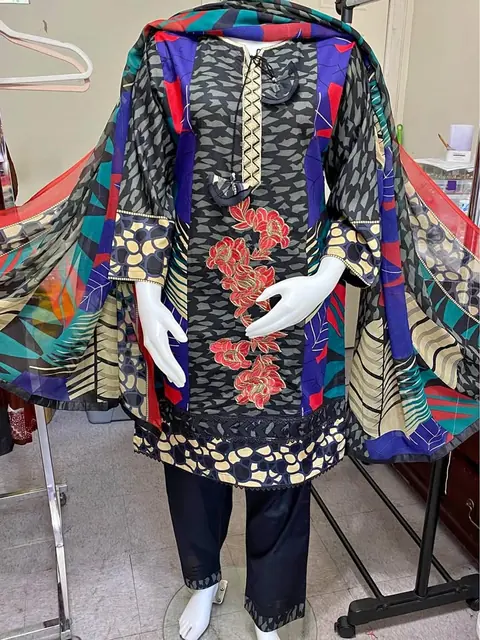
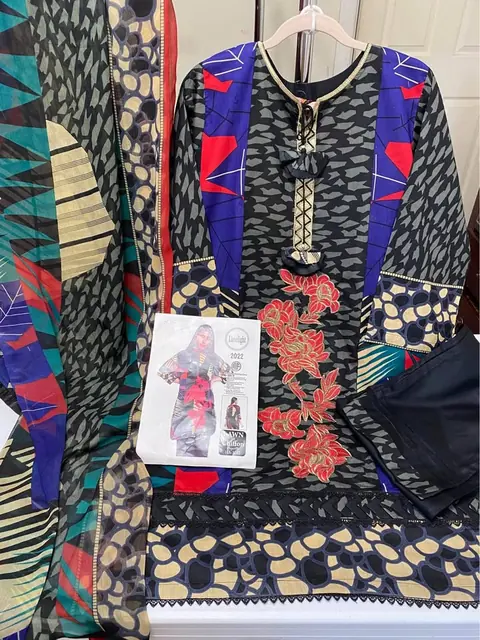
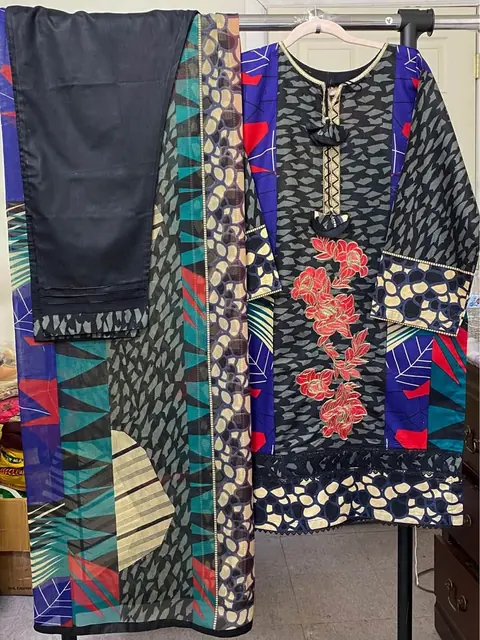
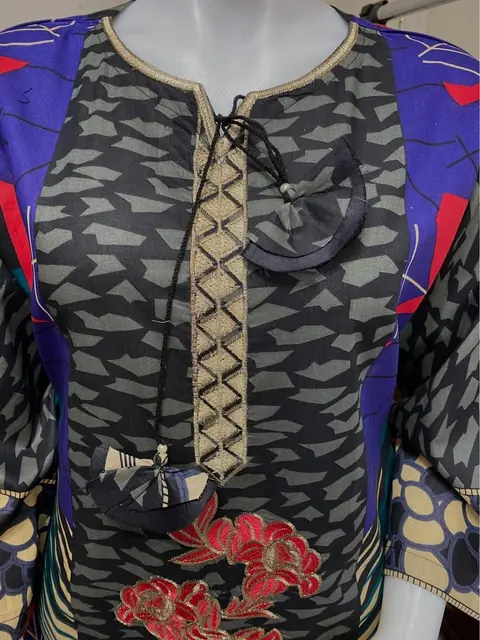
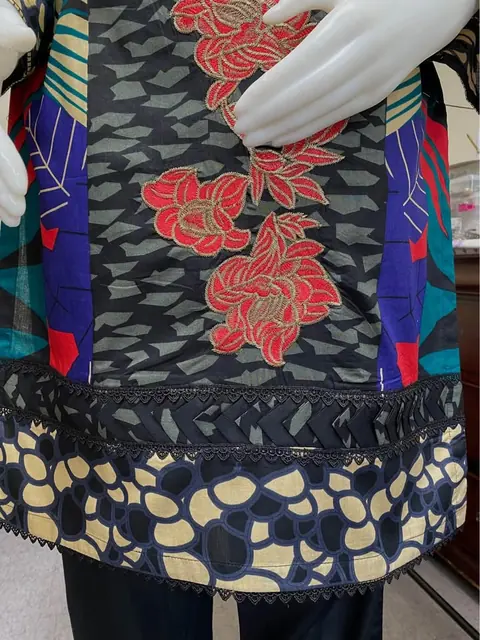
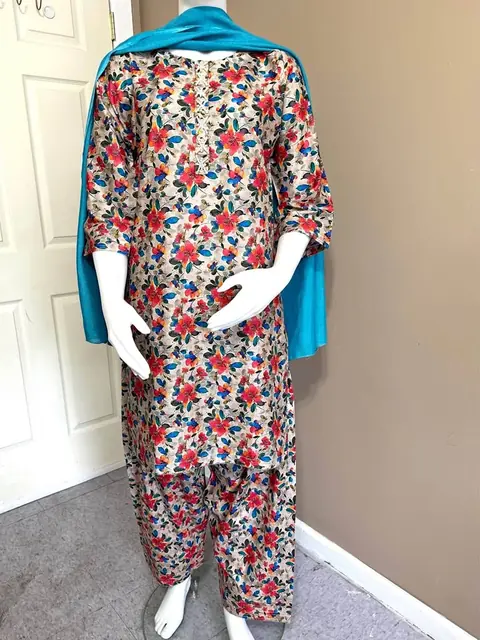
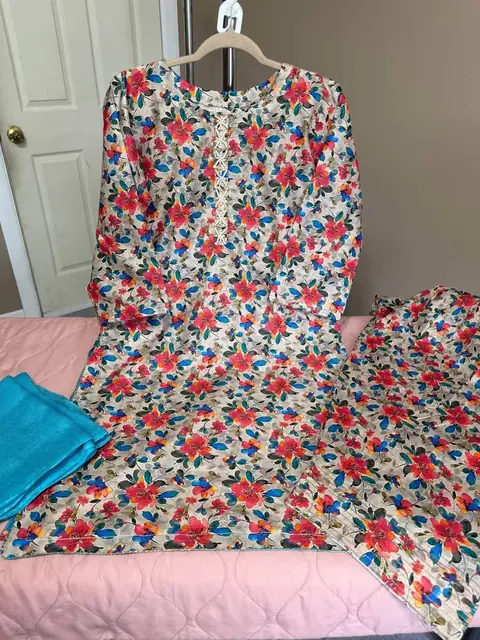
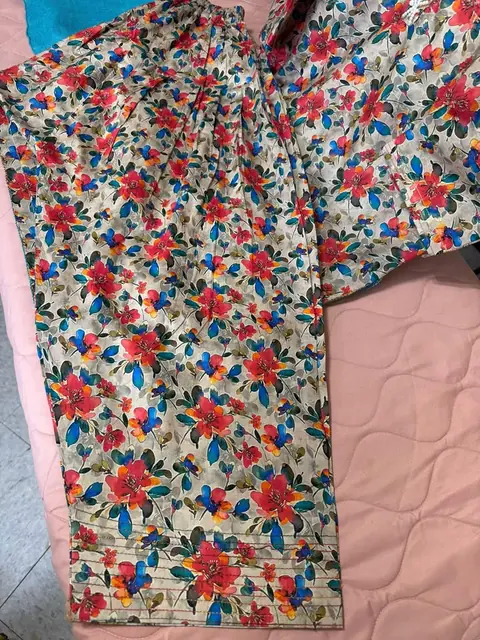
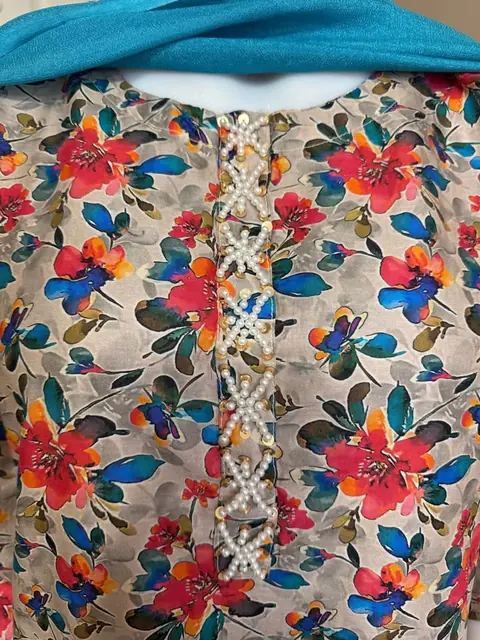
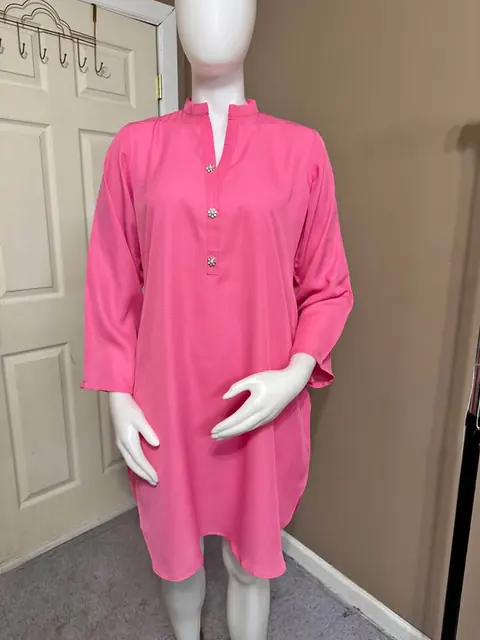
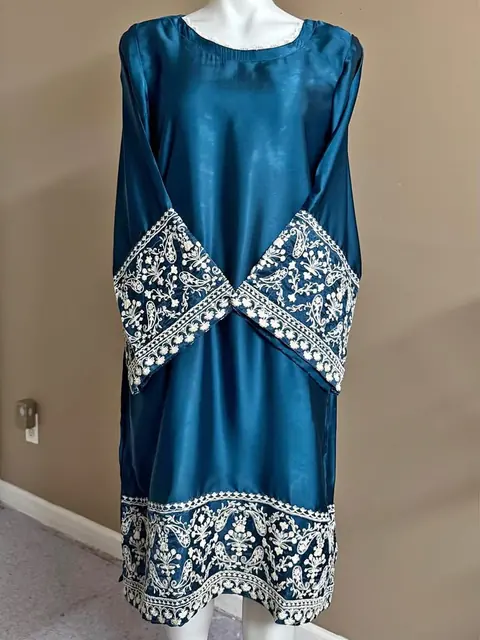
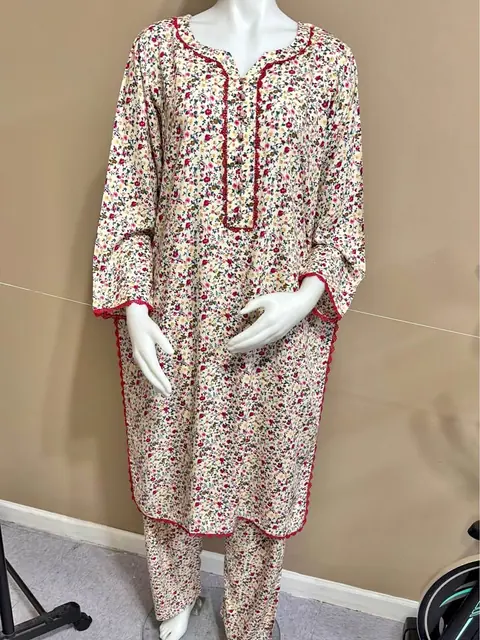
Pakistani styles tend to have a longer shirt, often at or below the knee, cut straight or in a gentle A-line with side slits. Many are sold as a 2-piece (shirt and trousers) or 3-piece (shirt, trousers and dupatta), and the shirt is the star: printed lawn with an embroidered neckline, sleeves and daman, the border along the hem.
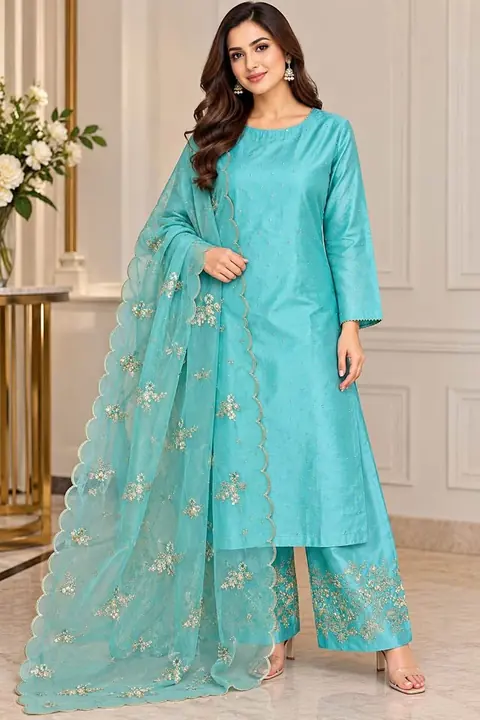
Indian suits come in more shapes. The straight kurta set is the everyday favorite, but you'll also see the Anarkali, which flares out from the chest like a long frock, the short kurti worn over pants, and the Punjabi suit, with a shorter shirt over a full, pleated Patiala salwar. These are tendencies, not rules: long straight kurtas are common in India, and Pakistani brands make short shirts too.
Trousers: shalwar, salwar, churidar, palazzo and farshi
The trousers often tell you the most about a suit's style.
- Shalwar: the Pakistani word for loose trousers, wide through the hips and legs and gathered into a narrow cuff at the ankle. Roomy and very comfortable.
- Salwar: the Indian spelling of the same word. Indian salwars range from slim, tapered cuts to the Patiala salwar from Punjab, which is very full, with deep pleats.
- Churidar: slim trousers cut extra long, so the fabric gathers into rings at the ankle like a stack of bangles (churi). A classic match for an Anarkali or a long kurta.
- Palazzo: wide, straight, flowing pants. Popular on both sides of the border and easy with a short or long shirt.
- Farshi shalwar: a Pakistani style with so much fabric that it falls to the floor (farsh) like a wide skirt. Dressy, and usually saved for parties and weddings.
- Straight or cigarette pants: slim, ankle-length trousers that both countries now wear under longer shirts.
Fabrics: lawn and khaddar vs cotton, chanderi and chikankari
Fabric is where Pakistani styles stand out most. Lawn is a fine, light cotton that Pakistani brands bring out every spring and summer, usually in bright prints. When the weather turns cold, the same brands switch to khaddar, a thicker, warmer cotton with a slightly textured handloom feel, along with linen.
Indian styles are often made in printed cotton, rayon (viscose), georgette and silk, plus fabrics and crafts tied to particular places. Chanderi, from Madhya Pradesh, is a light, slightly sheer weave of silk and cotton with a soft sheen. Chikankari is hand embroidery from Lucknow, traditionally white thread on fine white cotton, and now done in every color. For parties, both sides wear chiffon, georgette, organza and silk.
Why the two overlap so much
Punjab, where this outfit is everyday wear, is split between Pakistan and India, so millions of people on both sides grew up wearing the same clothes. Styles keep traveling back and forth through films, TV dramas, weddings and family visits.
Pakistani TV dramas have many Indian fans, and the long shirts and lawn prints in them have made the Pakistani suit a well-known style in India. Many Indian shops now sell Pakistani-style outfits next to their Anarkalis, and many Pakistani women happily wear Indian chikankari kurtis.
Can you wear a Pakistani suit to an Indian wedding?
Yes. Nobody at an Indian wedding will mind that your outfit is Pakistani; most guests won't be able to tell, and the ones who can will probably ask where you got it. What matters is matching the event. A printed lawn suit is right for a daytime pooja or a family lunch, while chiffon, organza or silk with some embroidery suits a sangeet or reception.
The same goes the other way: an Anarkali with a churidar is welcome at a Pakistani mehndi or walima. If you're unsure about colors, ask the host. Many families prefer guests to leave red for the bride, and some avoid all-white or all-black.
How this shop labels both
Shagufta is Pakistani, so her suits sit in the shop's Pakistani section: 2-piece and 3-piece sets and maxi dresses in lawn, cotton, khaddar, linen, chiffon, georgette and silk. In her titles a "dress" usually means a full suit, as it does in Pakistan, and "stitched" means the piece is already sewn and ready to wear.
Because most of her buyers are Indian, the same pieces also appear under the names Indian shoppers search for: salwar kameez, kurtis, palazzo suits and co-ord sets. Whatever a piece is called, its listing gives the size and the chest, hips and length in inches, and it ships from Jersey City to anywhere in the US. If you can't tell from the photos whether a piece leans Pakistani or Indian in style, ask Shagufta on WhatsApp for a video or extra photos.
Shop the pieces
Updated October 2026