What is a dupatta?
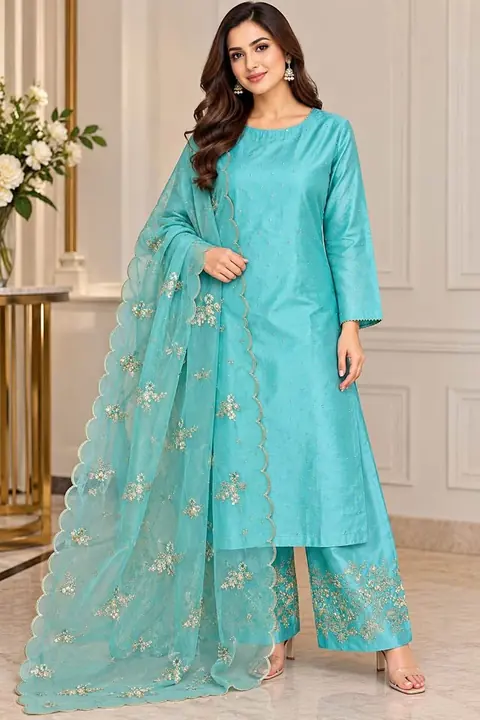
A dupatta, also called a chunni or odhni, is a long rectangle of fabric worn over the shoulders, across the chest or over the head. In a 3-piece suit it comes with the shirt and trousers; you can also buy one on its own to lift a plain kurti or a 2-piece suit. Shagufta's dupattas and shawls are about 79 to 88 inches long and 32 to 43 inches wide, a standard size that works for every drape below.
In both Indian and Pakistani dress the dupatta has long stood for grace and modesty, but how you wear it is up to you, and plenty of women wear one purely for style.
Five easy drapes
Start by folding or gathering the dupatta lengthwise into soft pleats about a hand's width wide. Then try one of these:
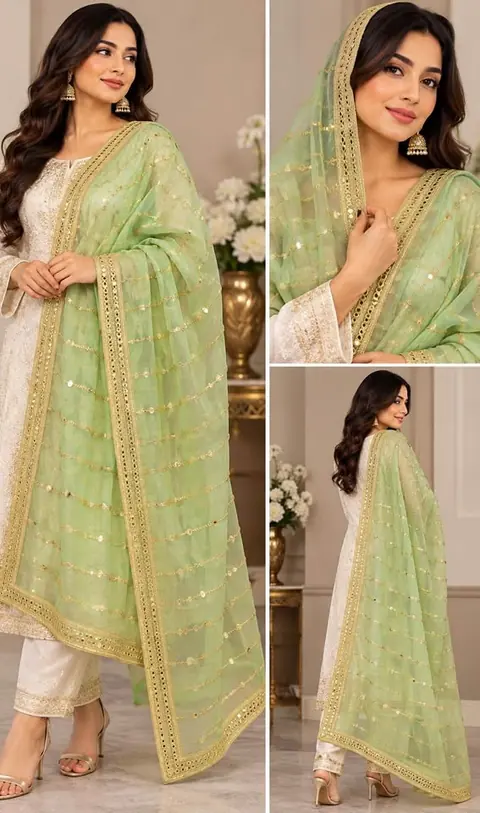
- One shoulder: lay it over your left shoulder with the longer end at the back and the front end reaching about your waist, then pin it at the shoulder. Quick, neat and good for everyday wear and work.
- Both shoulders, the classic Pakistani drape: spread it across the front of your neck and chest so it dips into a soft U, and let both ends fall down your back. Made for a 3-piece suit.
- Cape style: drape it across the back of your shoulders with both ends falling down the front, like an open cape. Lovely with a long kurti or a dress, and it shows off embroidery on the neckline.
- Over the head: place the middle on your head and let the ends fall over both shoulders, or wrap one end loosely across. Worn for prayers, a nikah, a mosque or temple visit, or simply for elegance.
- Belted: drape it over one shoulder, front and back, and hold it at the waist with a thin belt. Great with palazzos and Western dresses.
Picking the right drape for the outfit
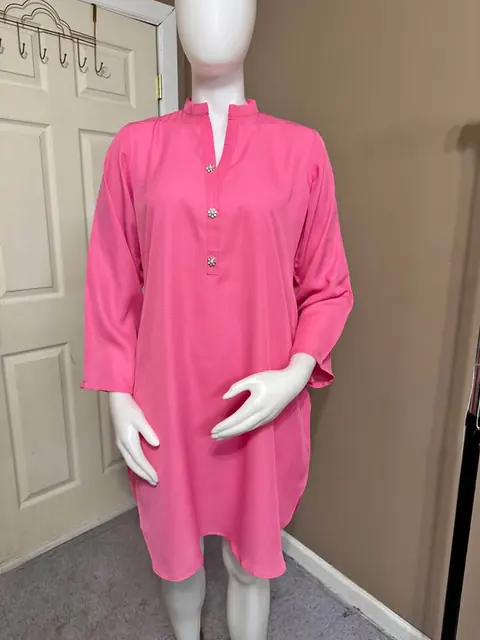
Let the outfit decide. If the shirt has a beautiful neckline or embroidered yoke, use the one-shoulder or cape drape so the work stays on show. If the shirt is plain and the dupatta is the fancy part, spread it wide across both shoulders. With a short kurti, keep the dupatta light and on one side so it doesn't swamp you; with a long kurti or a maxi dress, a full cape drape looks balanced.
Think about what you will be doing, too. For a long day of cooking, carrying a baby or driving, a pinned one-shoulder drape is easiest. For photos, a wide drape over both shoulders shows the full dupatta. Petite women often look best with the dupatta pleated narrow, while a wider, looser drape suits taller frames.
Which dupatta fabric for which occasion
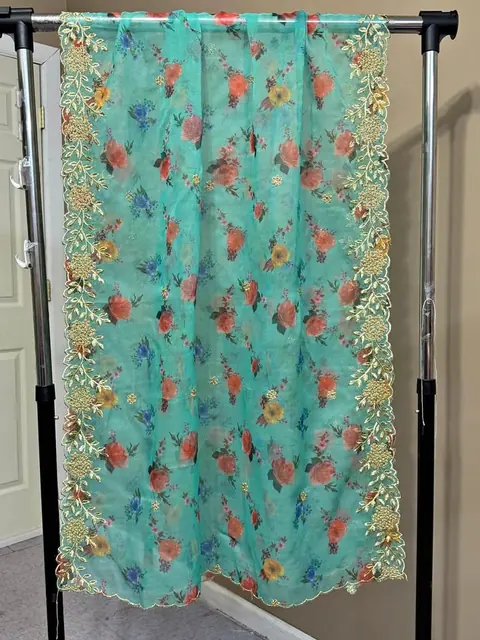
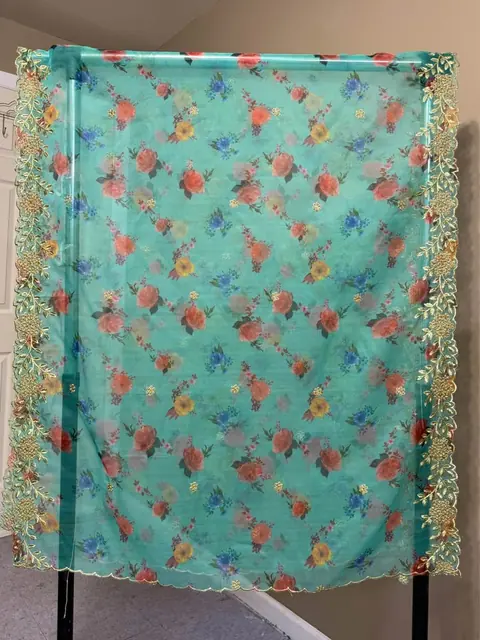
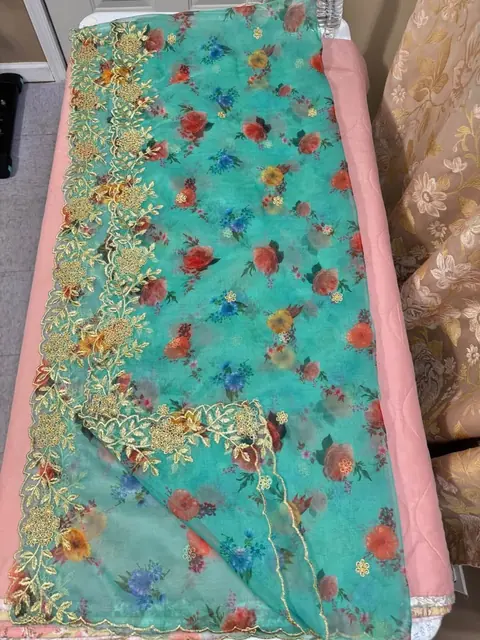
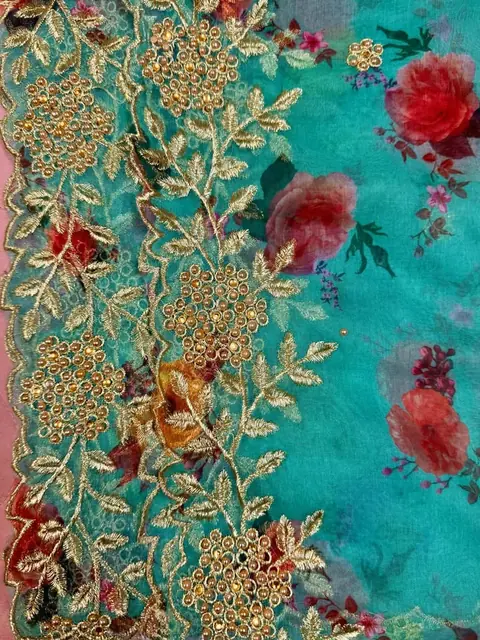
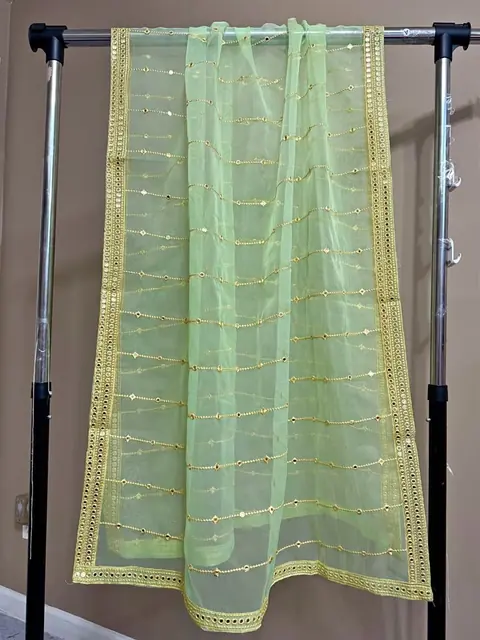
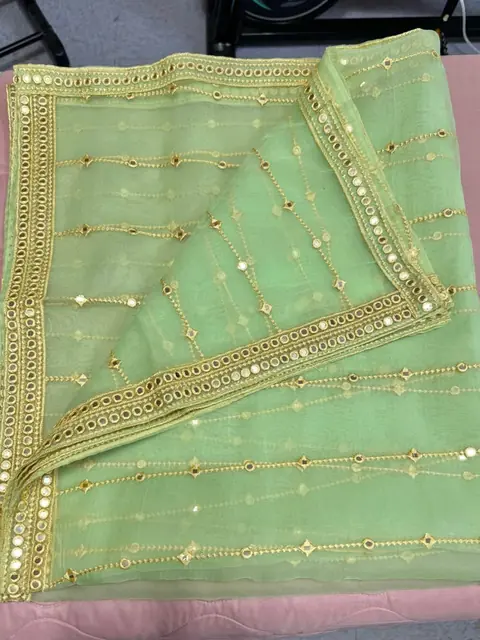
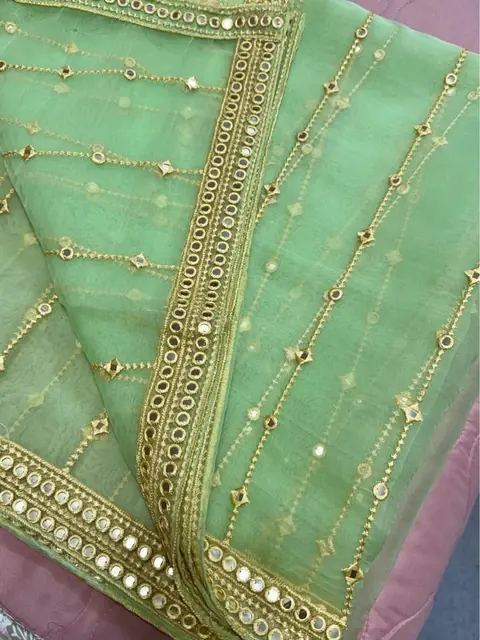
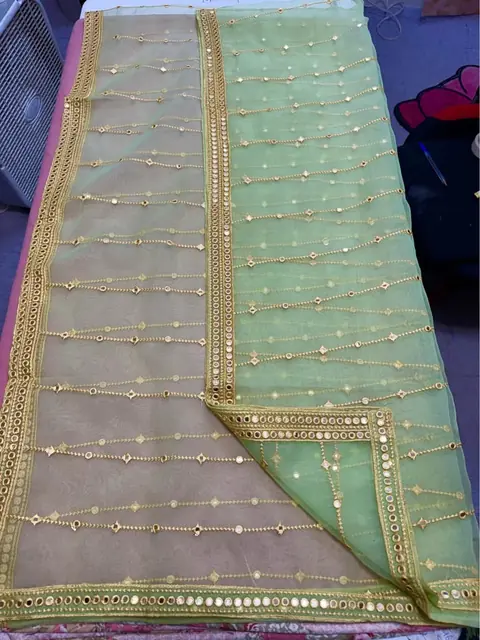
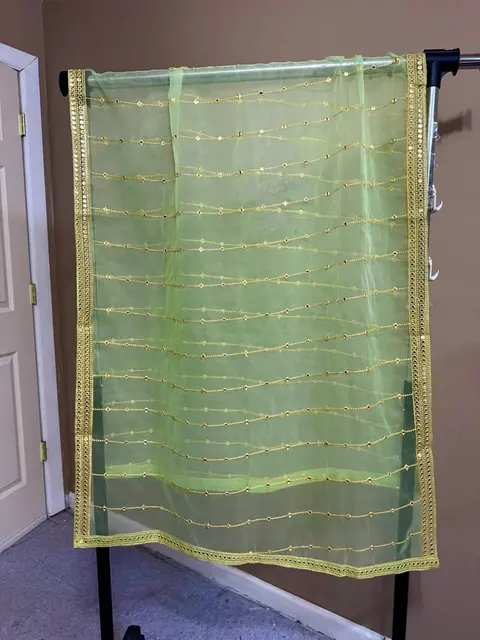
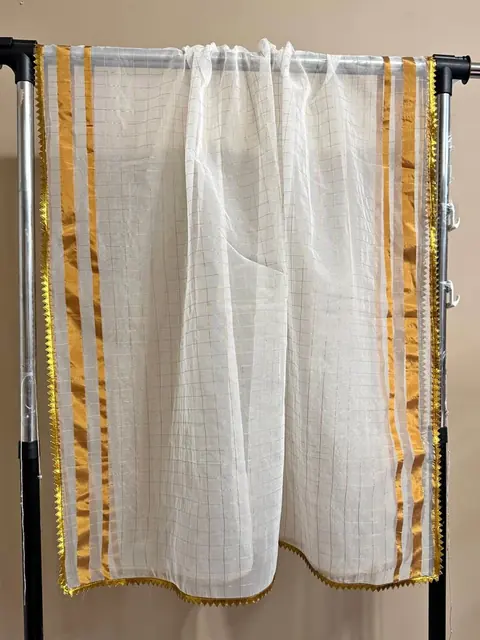
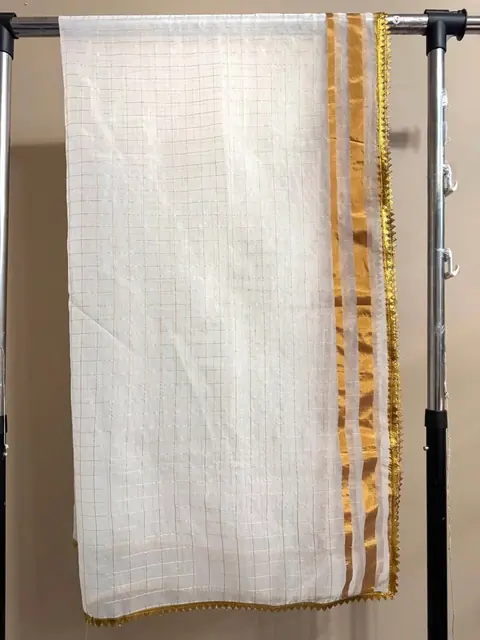
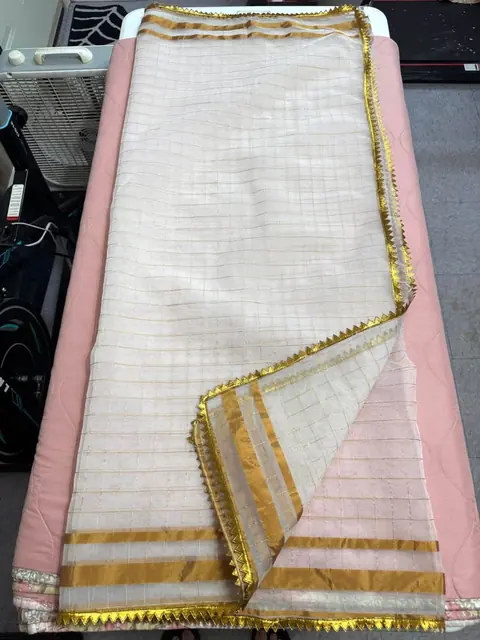
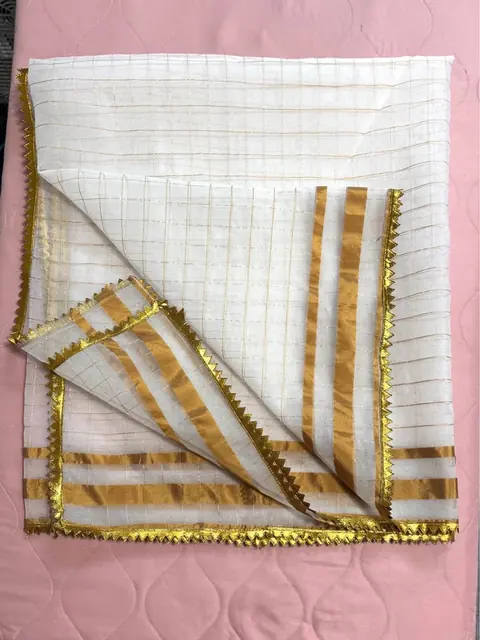
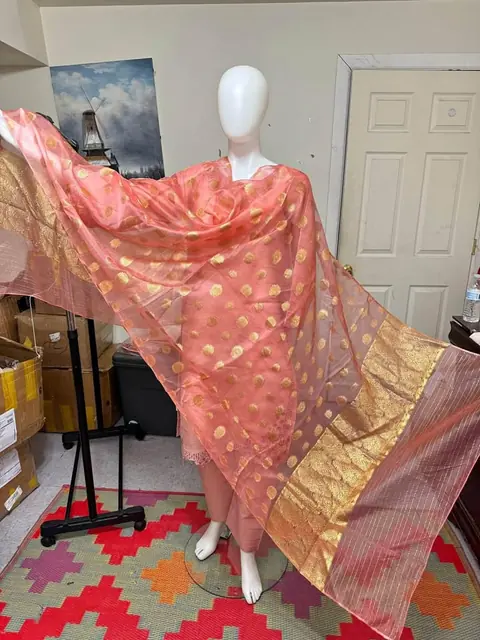
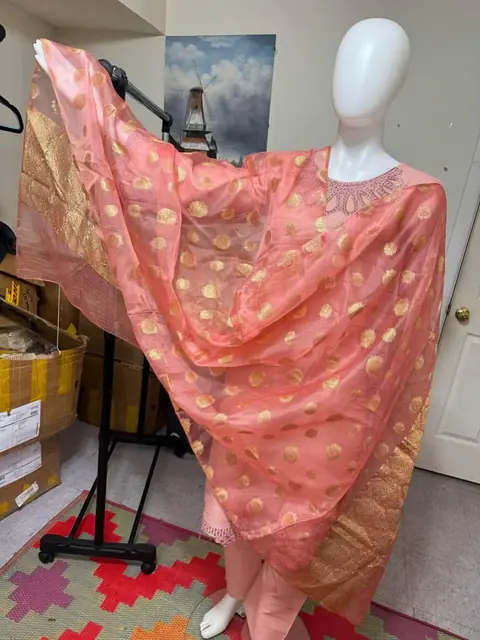
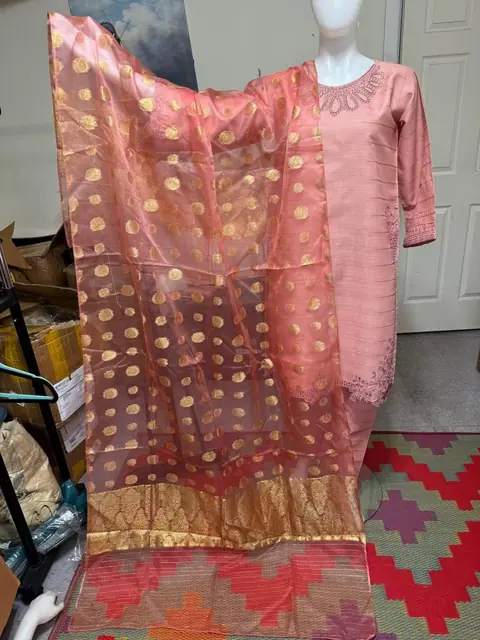
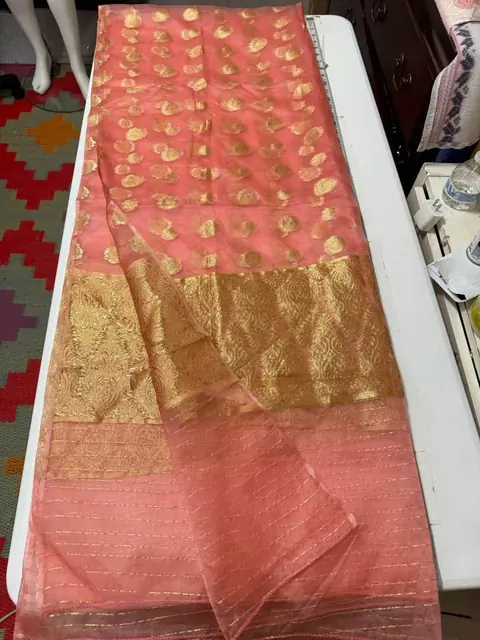
Organza is the go-to for party wear. It is crisp and sheer, holds its shape and shows off stone, foil or thread embroidery, so an embroidered organza dupatta can turn a plain suit into something you could wear to a wedding. Chiffon is softer and floatier and easier to manage, which is why it comes with so many lawn suits. Cotton and lawn dupattas are matte and stay put, ideal for daily wear and hot days.
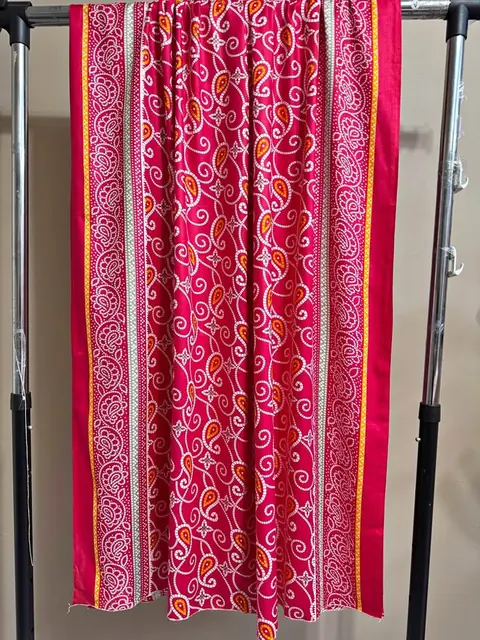
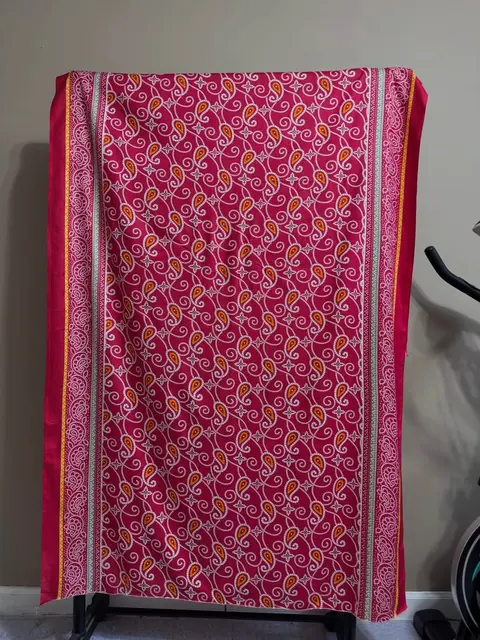
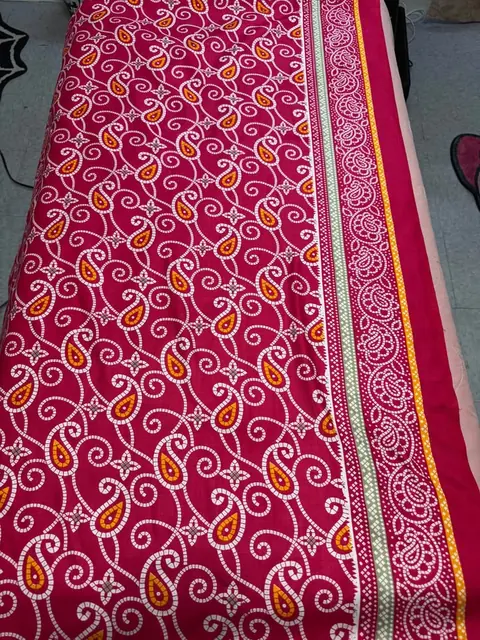
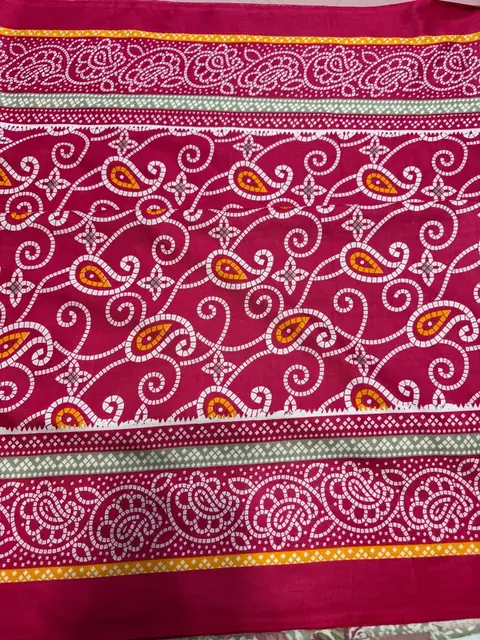
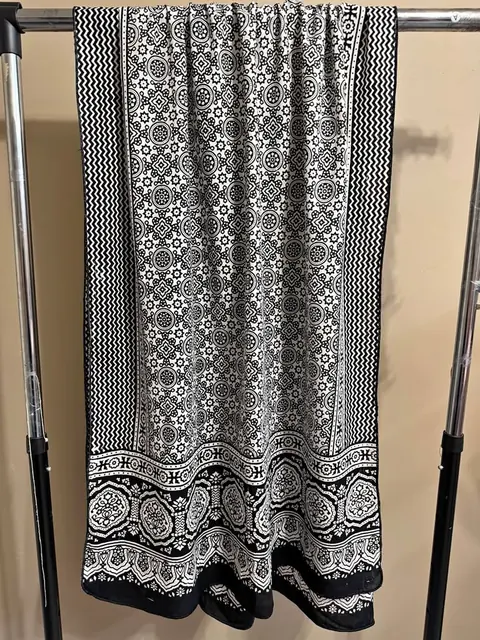
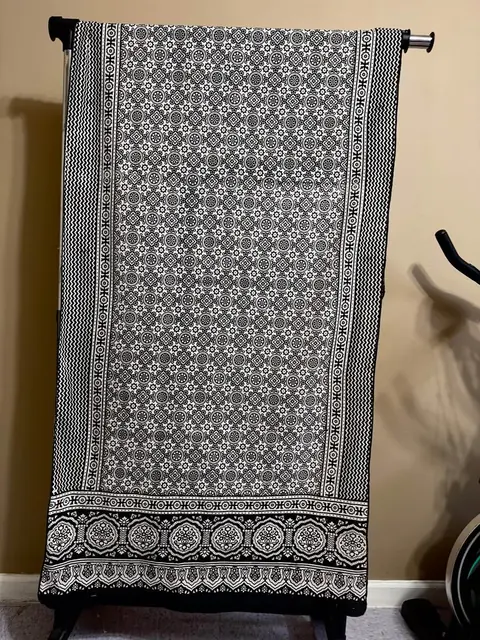
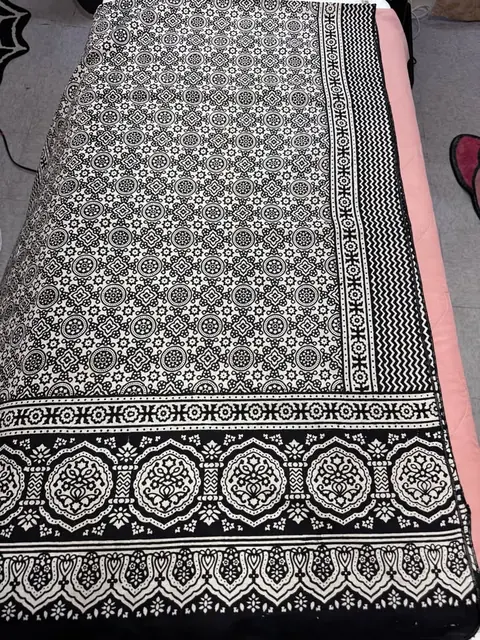
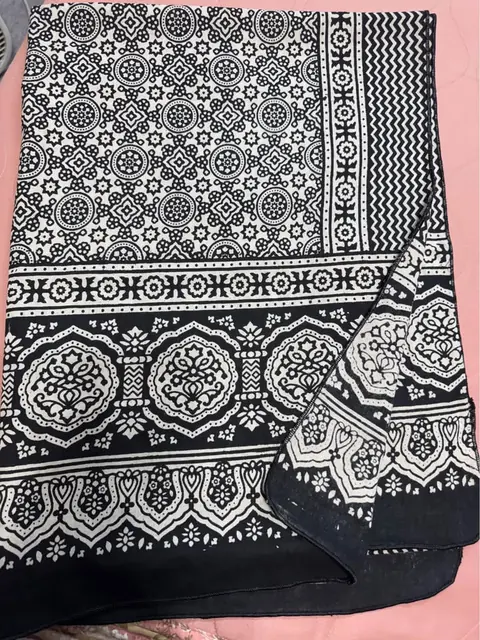
Ajrak is the traditional block print of Sindh in Pakistan and Kutch in India, in deep red, indigo and black with geometric stars and flowers. Chunri is a bright, dotted print in the style of tie-dye, close to the bandhani Indian shoppers know. Both turn a plain kurti, or even a white shirt, into something special. Pins make every drape easier: use small safety pins hidden on the inside, or a brooch, and on organza pin through a folded double layer so the fabric doesn't tear.
| Fabric | How it drapes | Wear it for |
|---|---|---|
| Organza | Crisp and sheer, holds its shape | Parties, weddings, Eid dinners |
| Chiffon | Soft, light and floaty | Daytime events, summer parties |
| Cotton and lawn | Soft and matte, stays in place | Everyday, work, hot days |
| Ajrak print | Usually cotton, bold block print | Kurti and jeans, cultural events |
| Chunri print | Light, bright dotted print | Mehndi, haldi, festivals |
Wearing a dupatta with Western clothes
A dupatta is a long scarf, so it works with Western clothes too:
- Around the neck like a scarf, ends hanging in front, over a white shirt and jeans or a plain T-shirt.
- Belted over a long dress or a jumpsuit, falling from one shoulder.
- Cape style over a sleeveless dress for a wedding or Diwali party when you want your shoulders covered.
- Wrapped over a coat in winter; a linen or cotton dupatta doubles as a light shawl.
How to wear a dupatta as a wedding guest
At Pakistani and Indian weddings the dupatta is part of the look. For a mehndi or haldi, a bright chunri or an embroidered organza dupatta over a yellow or green suit is perfect. For the baraat, wedding or reception, pick organza or chiffon with embroidery and wear it on one shoulder, pinned, or cape style so your outfit stays visible.
Keep it practical: a pinned one-shoulder drape leaves your hands free for eating and dancing. If there is a nikah or religious ceremony, keep the dupatta ready to cover your head. And if you are not Pakistani or Indian, don't worry about getting it wrong; wearing one at all is seen as a lovely gesture.
Red is the traditional bridal color at many Pakistani and Indian weddings, so guests usually avoid a heavy red dupatta over a red suit that could look bridal. Pastels, jewel tones, gold and the bright yellows and greens of a mehndi are all safe choices.
Matching a dupatta to a suit or kurti
When the suit or kurti is busy, choose a plain or lightly embroidered dupatta in one of its colors. When the outfit is plain, let the dupatta carry the print or embroidery. Contrast works well too: a black kurti with an ajrak dupatta, a white kurti with a pink chunri, or a pastel suit with a white and gold organza.
Colors can look different on a phone screen, so if you are matching a dupatta to something you already own, ask Shagufta on WhatsApp for a photo in daylight or a short video before you order.
Shop the pieces
Updated October 2026